


Exploration & Production
Venezuelan Oil: Chevron, Shell and ExxonMobil Weigh the Risks of Costly Engagement
Energy Issues

Transport & Storage
Confindustria warns of Italian recession if the Middle East war continues
Carbon
- TotalEnergies Cuts Global Carbon Emissions by 2 to 3% in 2025
- Von der Leyen Announces EUR200 Million Guarantee for European Small Modular Reactors
- France Allocates €3.4 Billion to Industrial Decarbonization Through France 2030
- Uni-Fuels launches European carbon allowance offering for global shipowners

- HYCO1, PETROS and PJ Energy Services Partner to Develop CO₂ Utilization in Sarawak
Alternative Fuels
- VERSO ENERGY and European Commission Sign Innovation Fund Agreement for DEZiR e-SAF Project
- Rolls-Royce SMR and Equilibrion partner to produce sustainable aviation fuel

- European Airlines Call on EU to Delay 2030 eSAF Mandate
- Iranian Conflict: Oil Volatility at $120/Barrel Complicates Brazilian Budget

- EU-Mercosur agreement opens 650,000-tonne Brazilian ethanol quota to Europe

Coal
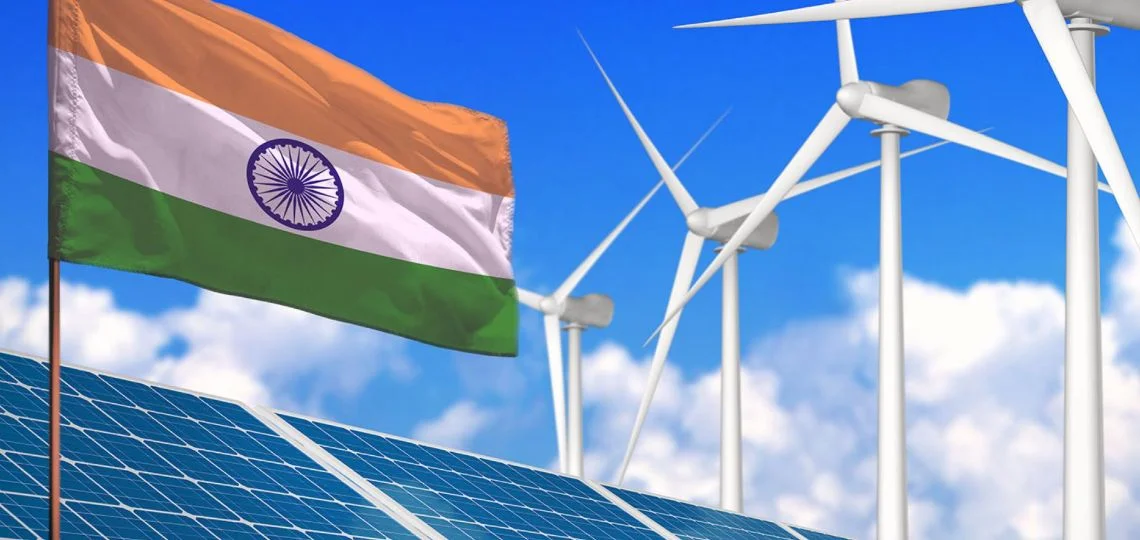
- India targets 60% non-fossil electricity and 47% lower emission intensity by 2035
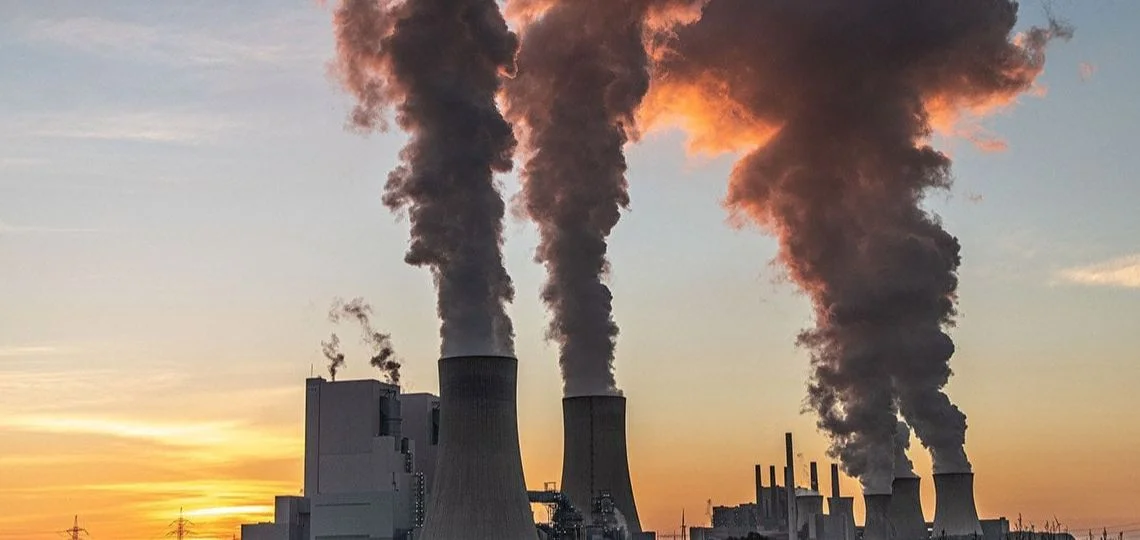
- Philippines to Boost Coal Output to Contain Rising Electricity Prices
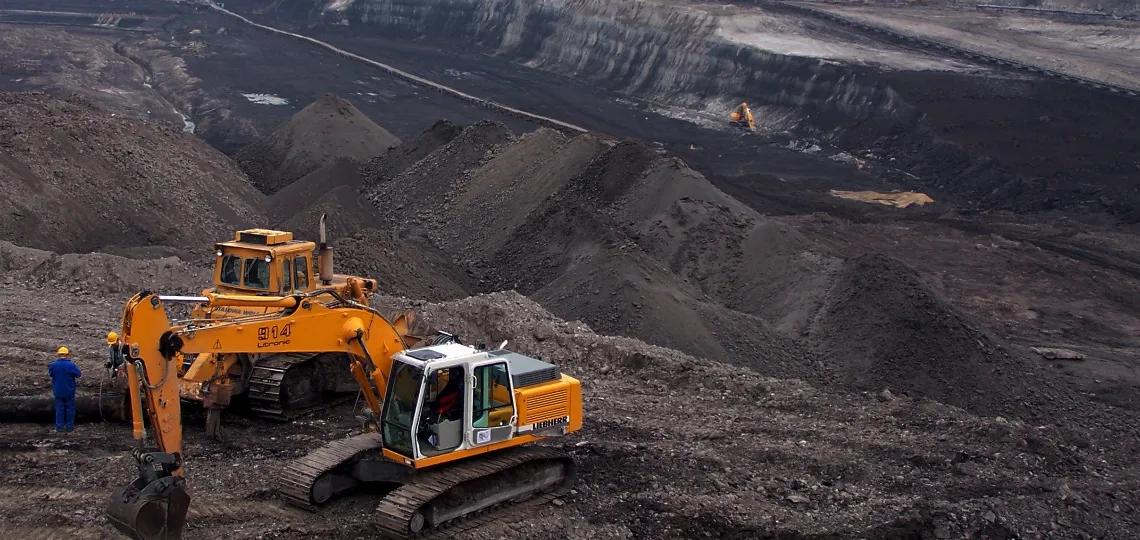
- CJEU Confirms €68.5M in Penalties Against Poland for Turów Mine
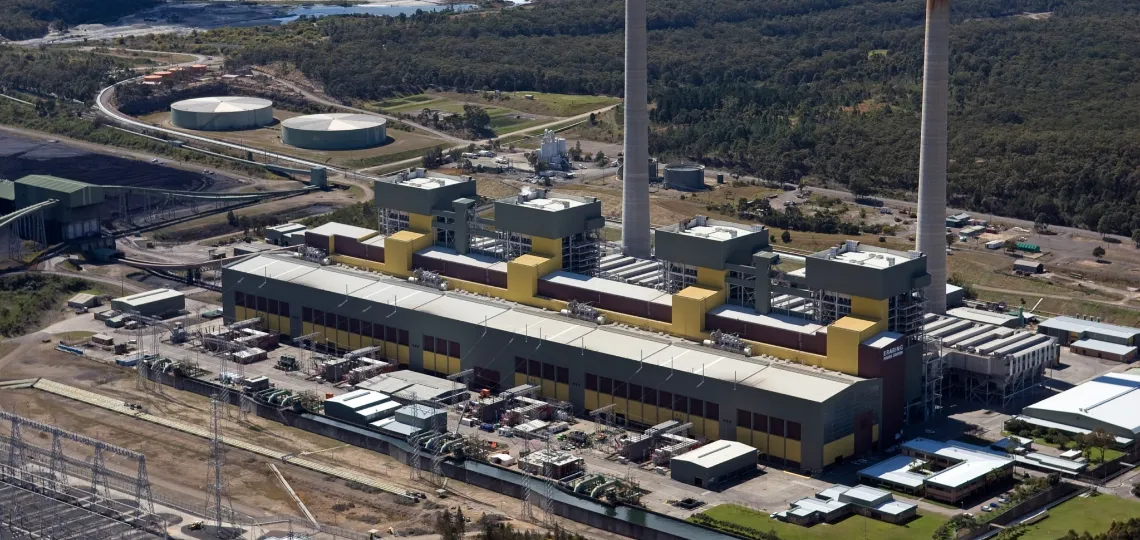
- Australia: Origin Energy Extends Eraring Coal Plant Operations Until 2029
- Indonesia cuts mining quotas to support coal and nickel prices
Biomass Energy
- Clean Energy Technologies Pursues Bioenergy Opportunities at California BAC Annual Meeting
- Northwest Advanced Bio-Fuels Plans $2.4B SAF Biorefinery in Washington State

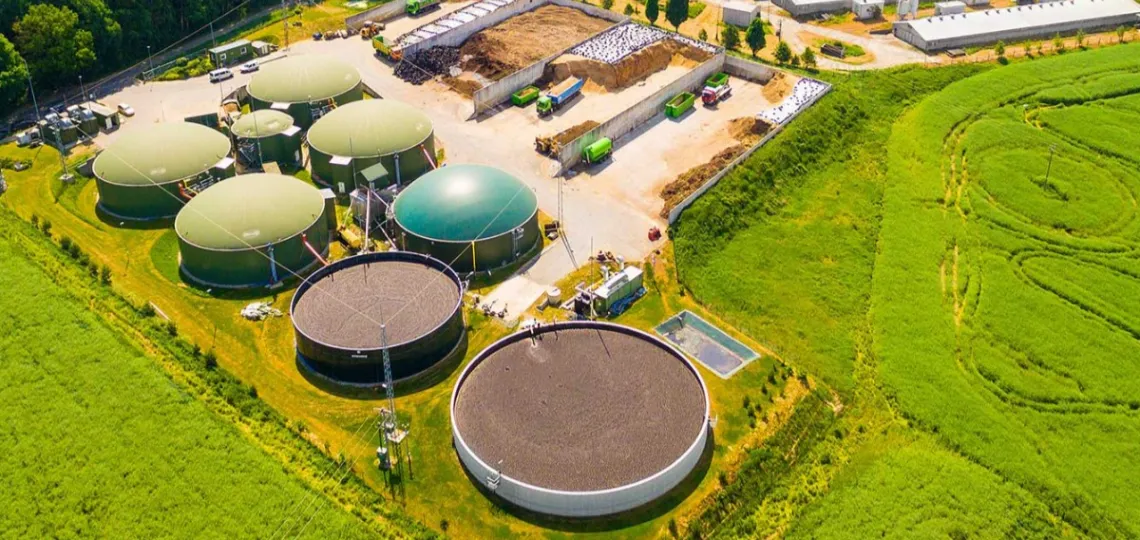
- Global Biomethane Market Could Reach $56.64 Billion by 2030 According to MarketsandMarkets
- ENGIE Signs 10-Year Contract with PepsiCo for 60 GWh of Biomethane in the United Kingdom
- The EU’s 2030 biomethane target at risk despite 22 Bcm biogas output
Wind Energy
- Velto Renewables Completes Acquisition of 11 MW L'Escur Wind Farm in France
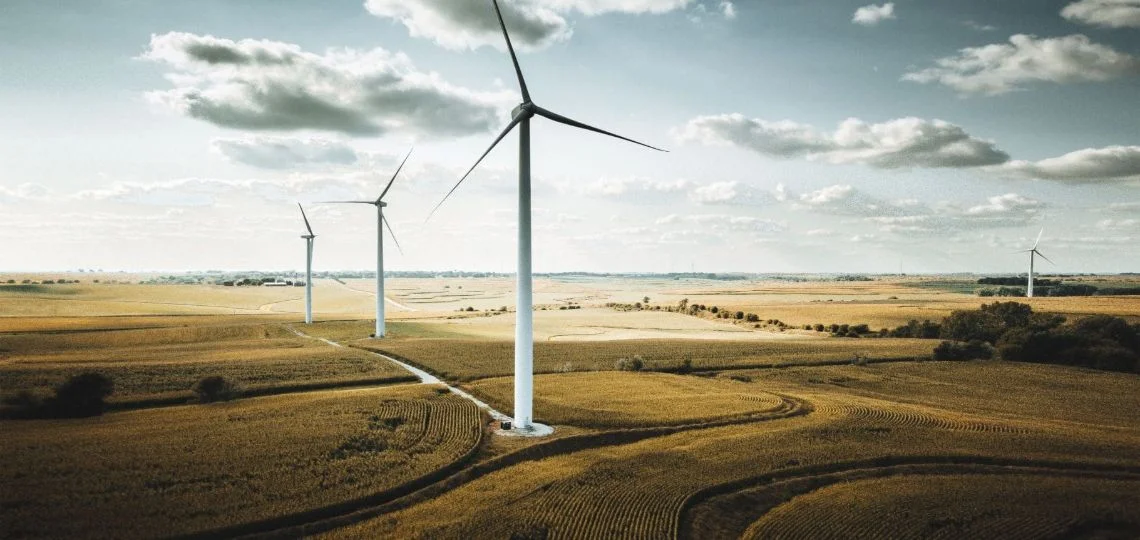
- Saudi Arabia Set to Fall Short of Its 130 GW Renewable Energy Target

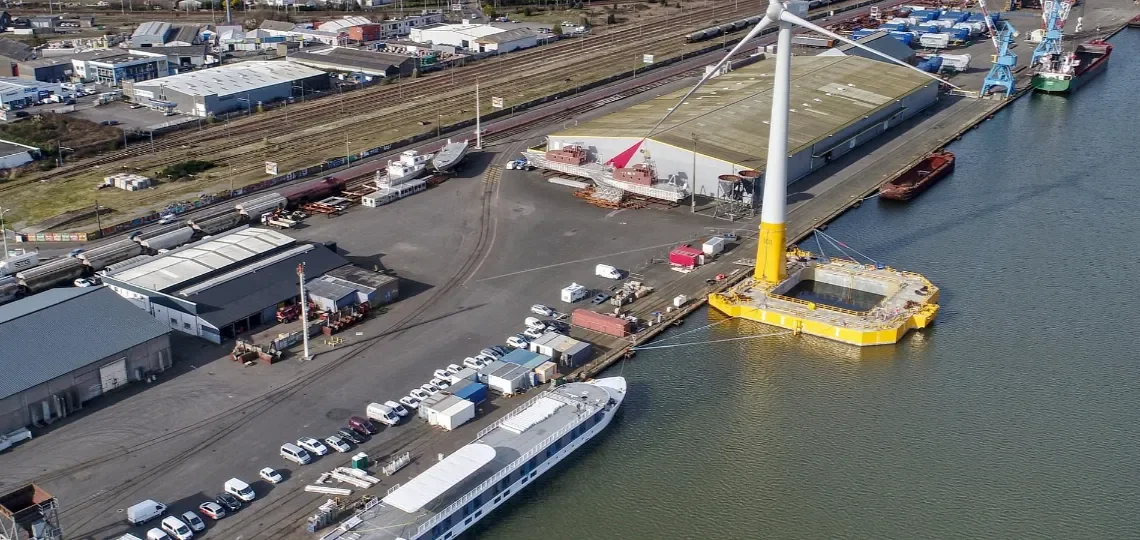
- BW Ideol Secures €126 Million in Public Funding for Its Fos-sur-Mer Floater Factory
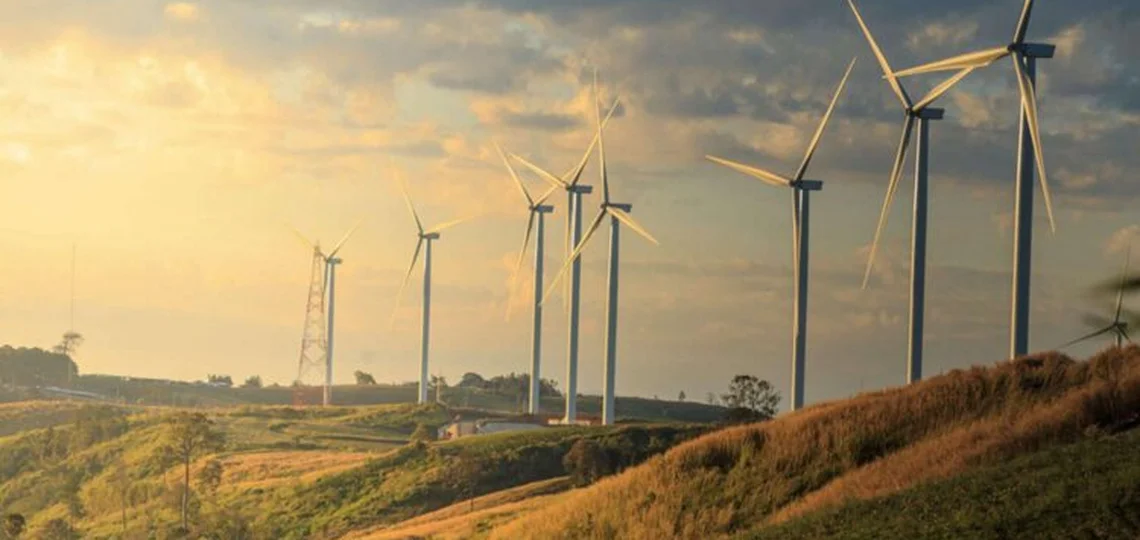
- Western Australia Secures Over 1 GW of Wind Power to Replace Coal
- India's Suzlon wins 100 MW wind contract from GAIL in Maharashtra
Fusion Energy
- General Fusion Targets Nasdaq via SPAC Deal Valuing Company at $1 Billion
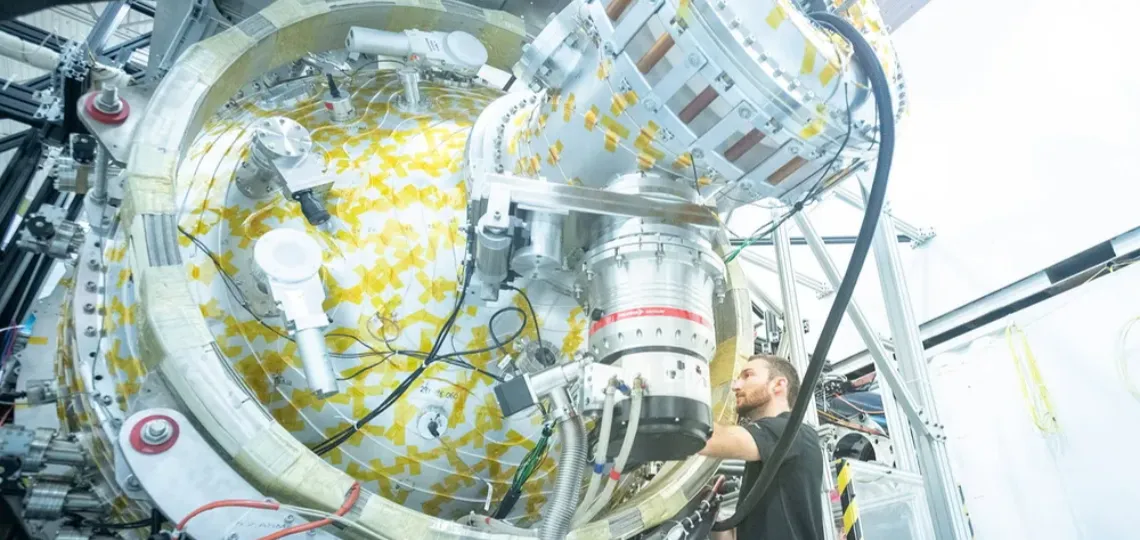
- Thea Energy Obtains DOE Certification for Its $46M Fusion Power Plant Design

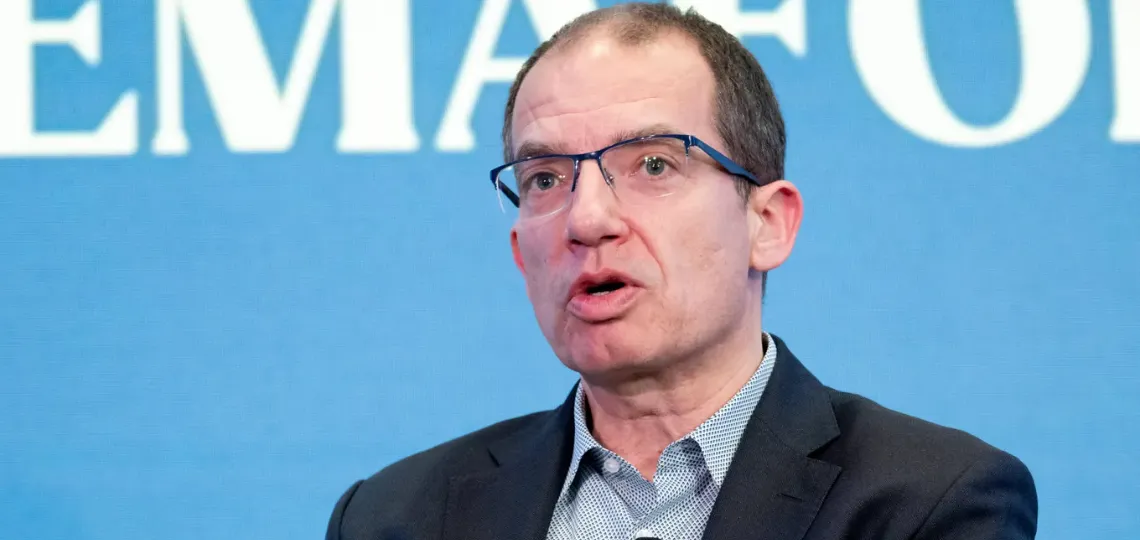
- Commonwealth Fusion Systems Appoints Stephane Bancel, Moderna CEO, to Its Board of Directors
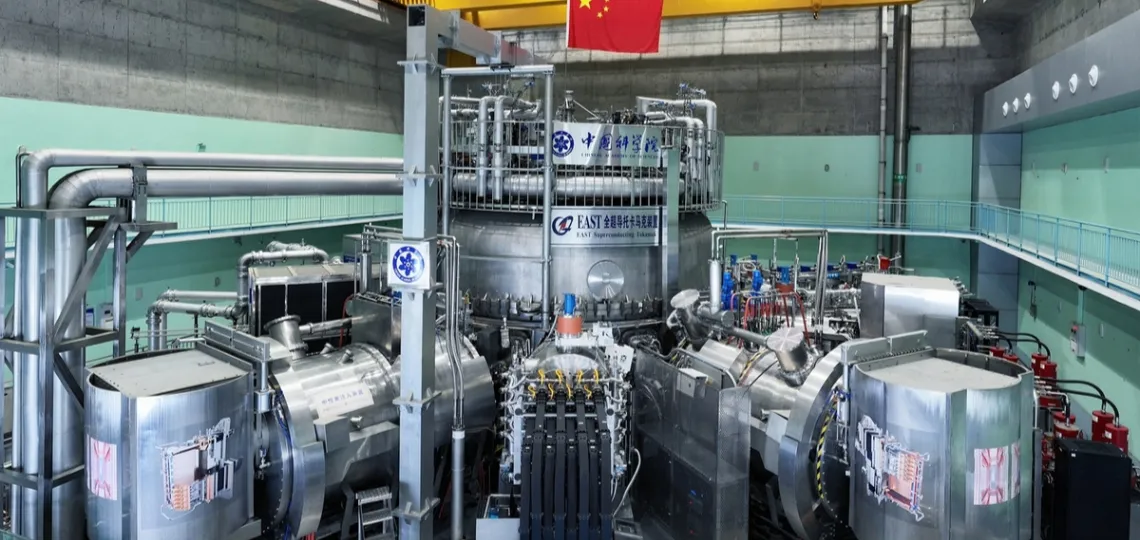
- Chinese Tokamak EAST Breaks Through Plasma Density Limit and Opens New Perspectives
- Trump Media creates a listed group with TAE Technologies in $6 billion deal

Geothermal Energy
- AfDB Grants $16.5M to Kenya for a 35 MW Geothermal Power Plant
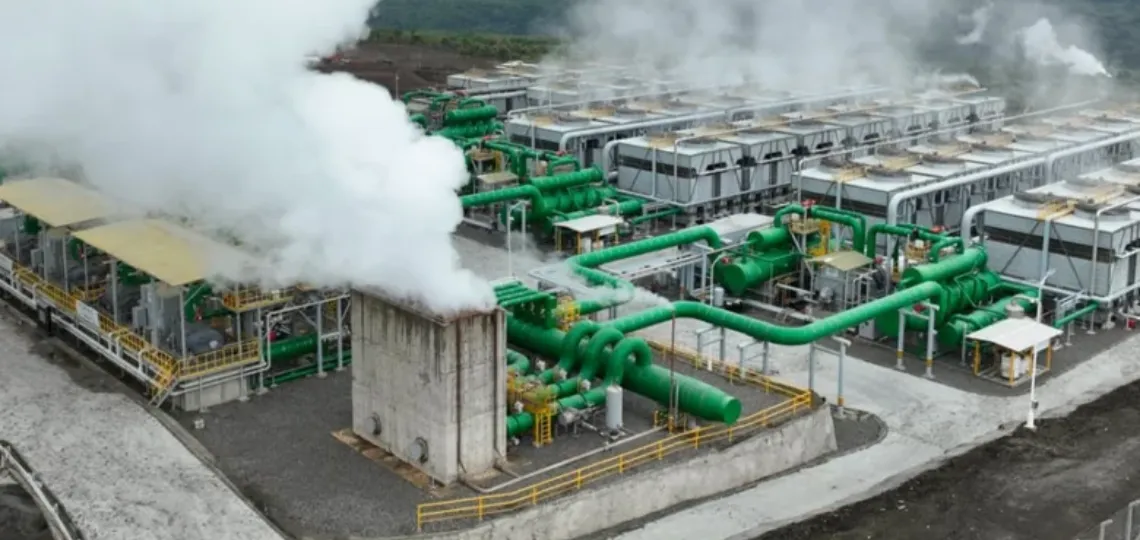
- Ormat Technologies Invests $25M in Sage Geosystems to Develop Advanced Geothermal Technology
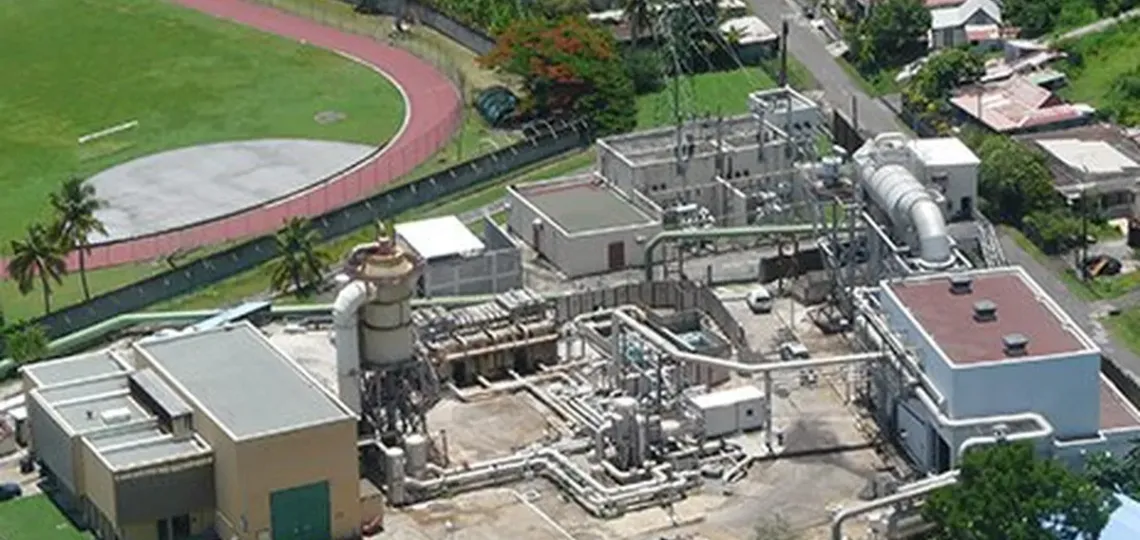
- Zanskar Raises $115M to Accelerate AI-Powered Geothermal Exploration in the United States
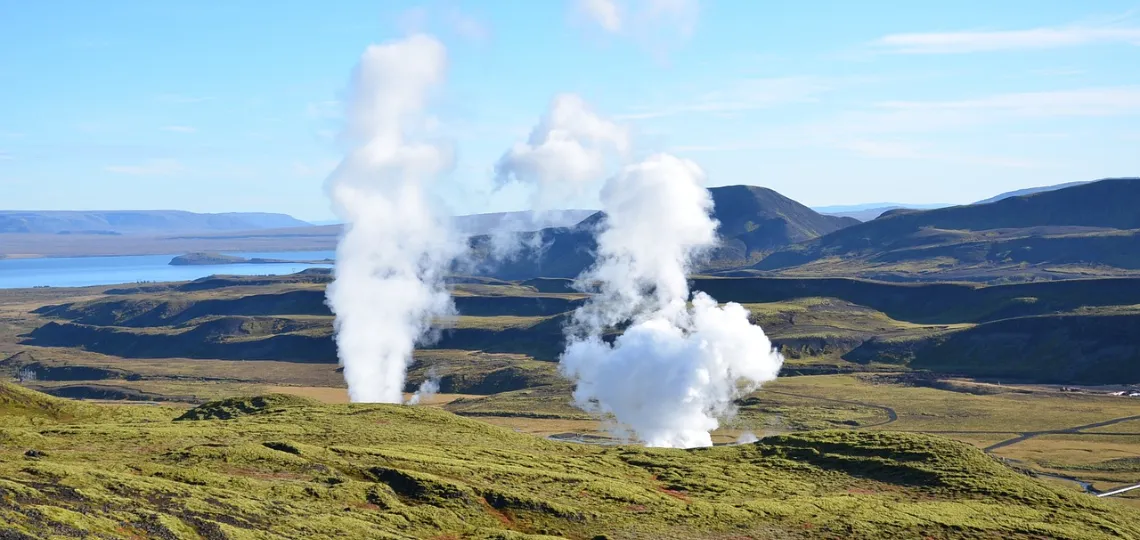
- Ormat Technologies Wins 40 MW Geothermal Concession in Indonesia
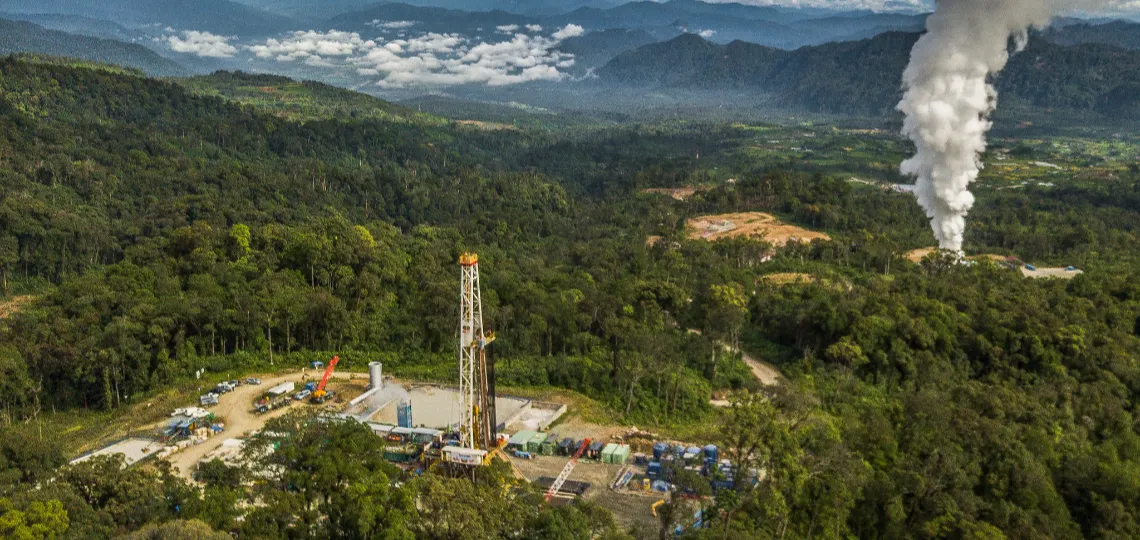
- French Court of Auditors recommends removing structural barriers to geothermal energy in France

Hydrogen Energy
- India targets 5 million tonnes of green hydrogen per year by 2030

- Drilling at 3,655 Meters Confirms Significant Natural Hydrogen Reserves in Moselle

- France Allocates €3.4 Billion to Industrial Decarbonization Through France 2030
- Singapore and Japan Sign Bilateral Energy and Climate Cooperation Agreement

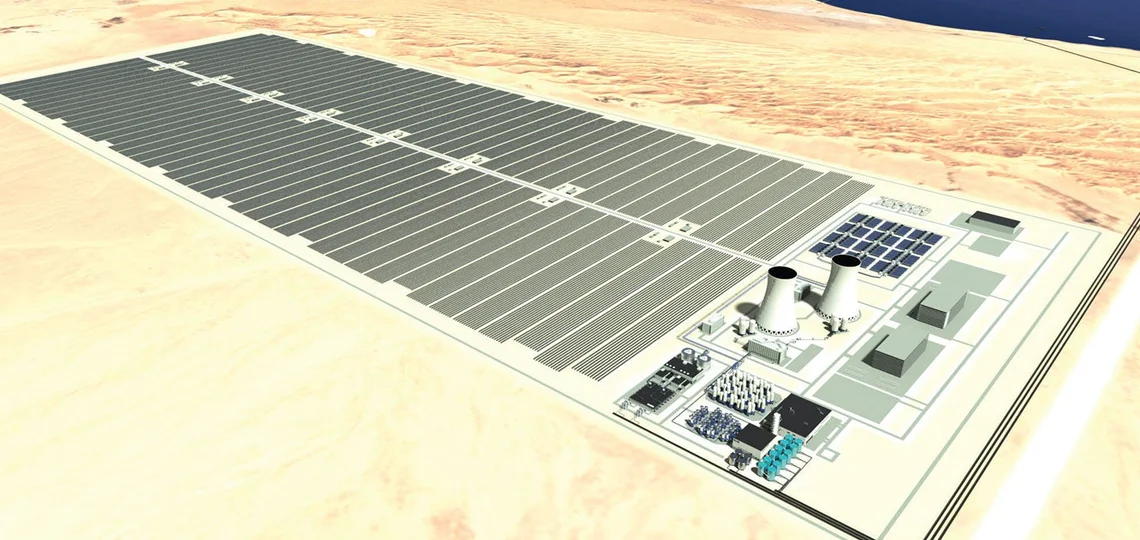
- Obrist Group Pursues Giant Solar Gigaplants for European Energy Autonomy
Marine & Hydraulic Energy
- Alternergy commissions 5-MW run-of-river hydropower plant in Nueva Ecija, Philippines
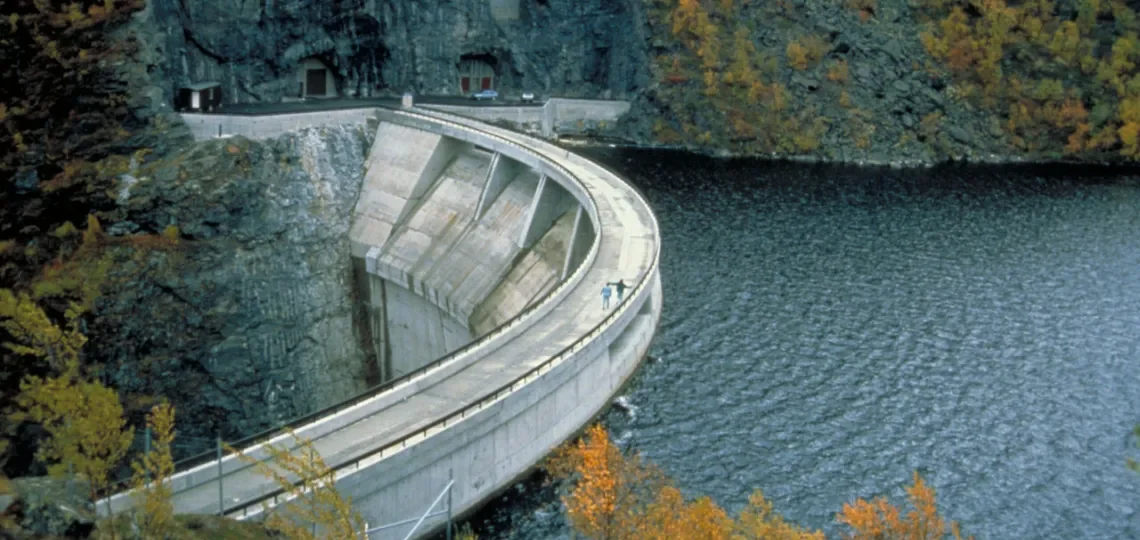
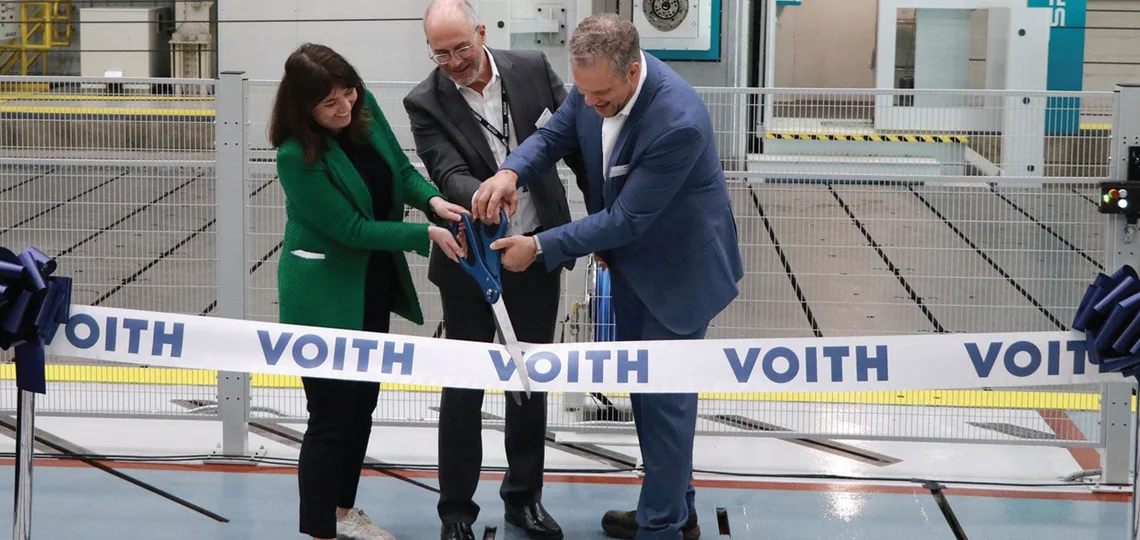
- Voith Hydro Modernizes U.S. Plant and Delivers 2172 MW to Angola
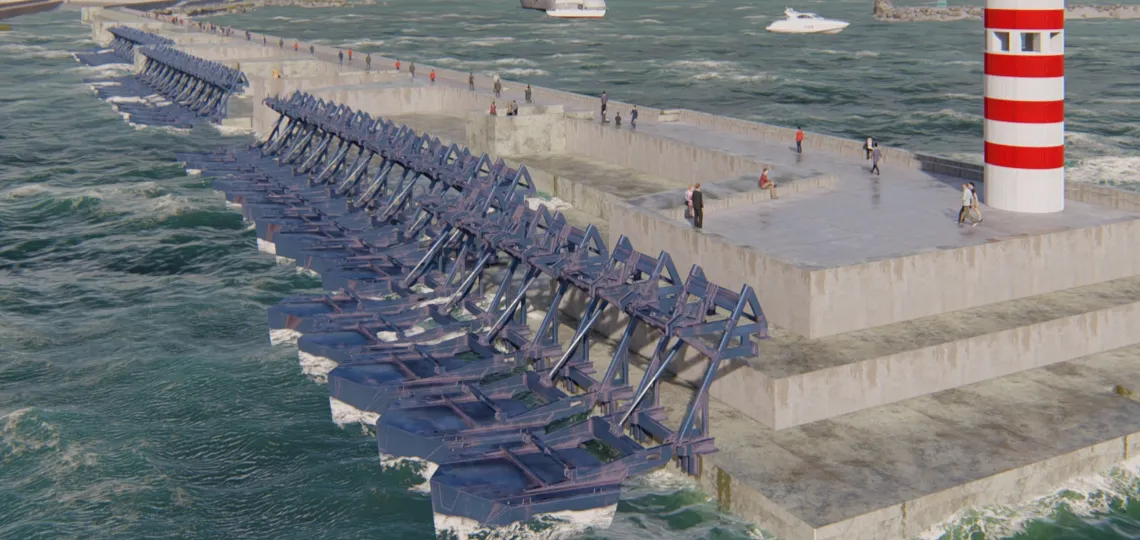
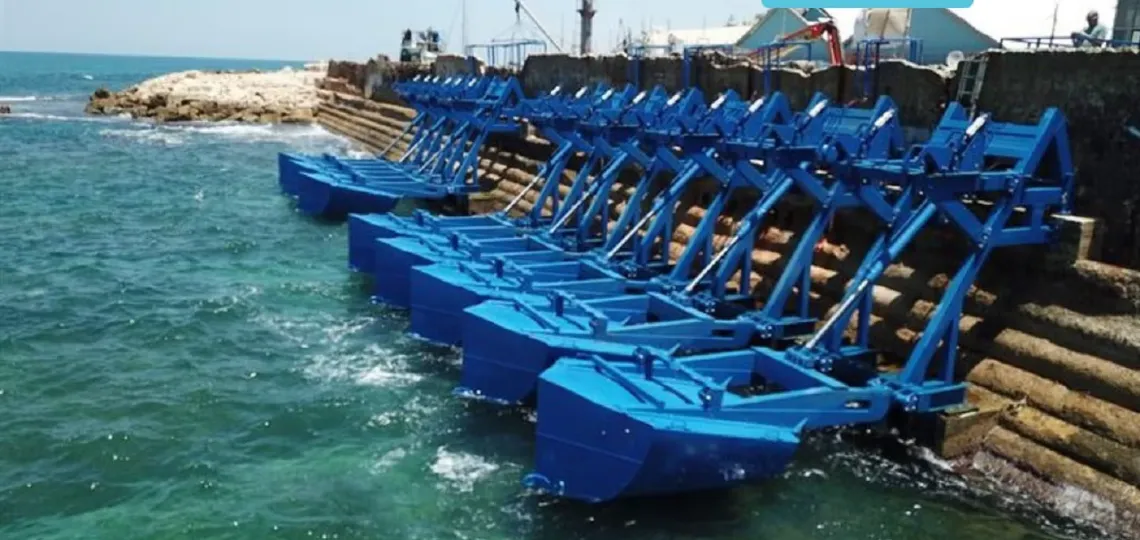
- Eco Wave Power Submits Execution Plan for 1 MW Wave Energy Plant in Porto
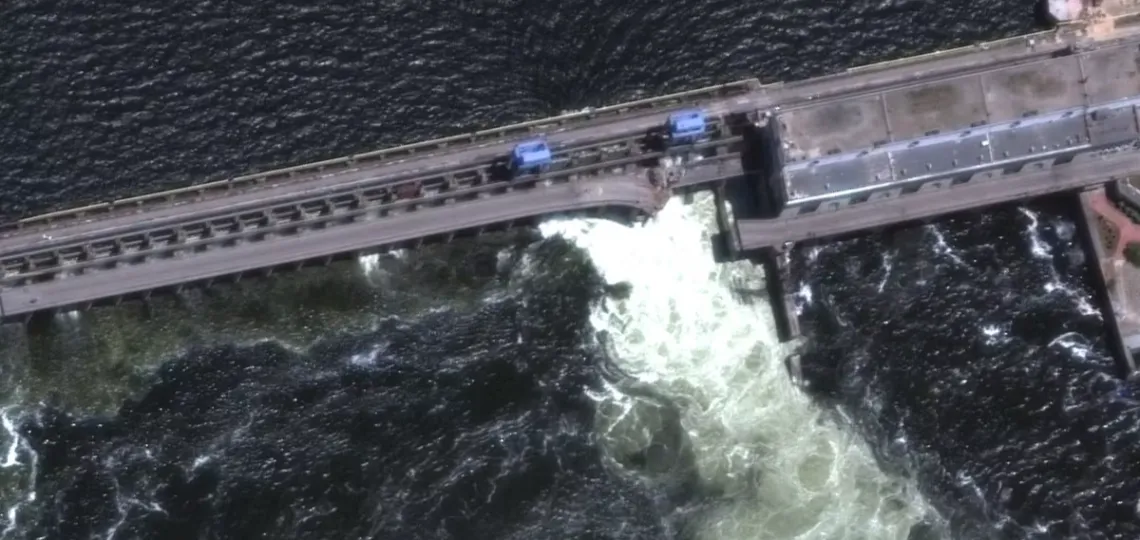
- EBRD and EU Grant €75M to Ukrhydroenergo to Strengthen Ukrainian Hydropower
- Eco Wave Power Produces Over 2,000 kWh of Wave Energy at Jaffa Port in December
Nuclear Energy
- Rolls-Royce SMR and Studsvik Strengthen Cooperation on 470 MWe Reactor Deployment

- Germany's energy minister calls nuclear phase-out a huge strategic mistake

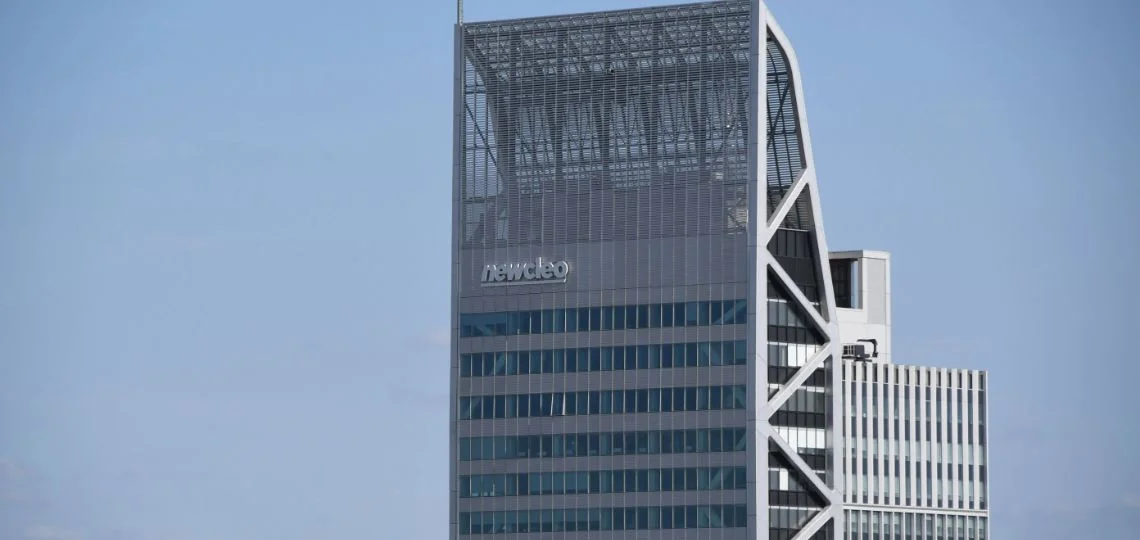
- Newcleo begins NRC regulatory interactions for its lead-cooled SMR and MOX fuel facility
- Paris Confident EU Review of France's Six Nuclear Reactors Will Proceed Quickly

- NECSA launches tender for new 20-30 MW multi-purpose research reactor

Solar Energy
- Saudi Arabia Set to Fall Short of Its 130 GW Renewable Energy Target
- Boralex raises 350,000 euros via Enerfip for an agrivoltaic plant in Ardèche
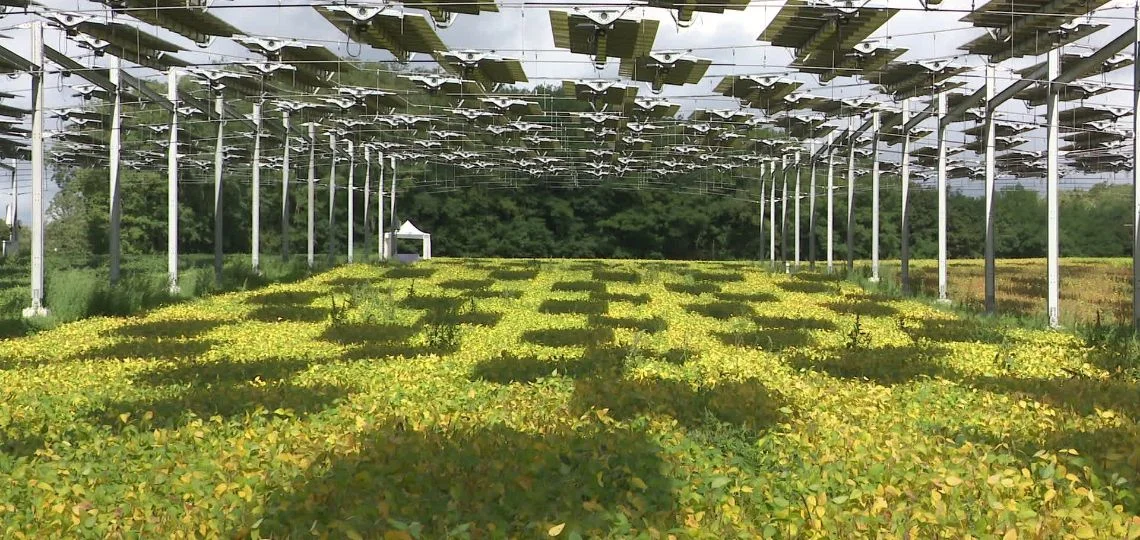
- Cherry Valley Solar I closes financing for 135 MW photovoltaic project in Arkansas
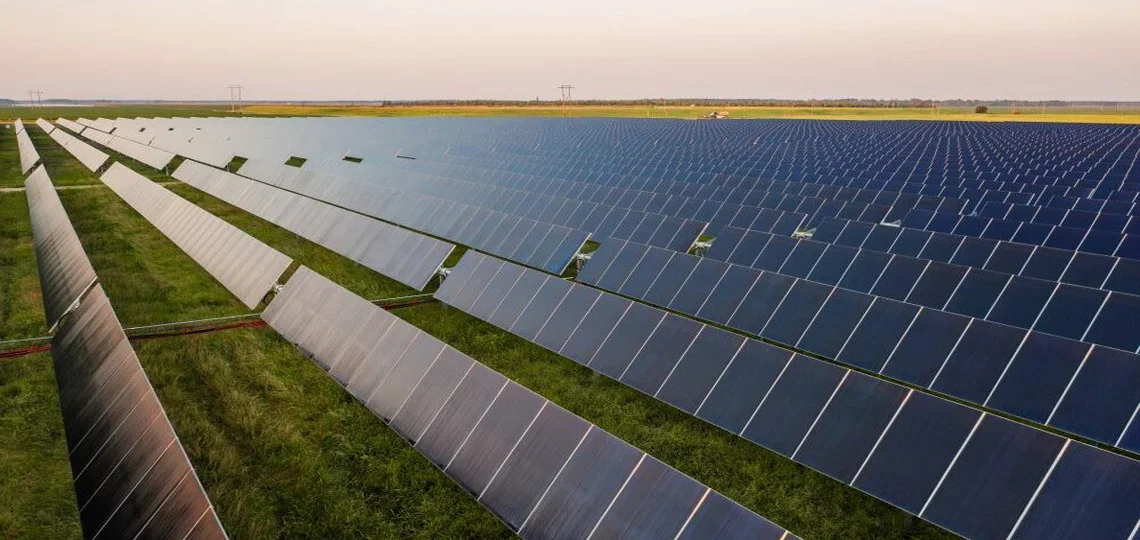
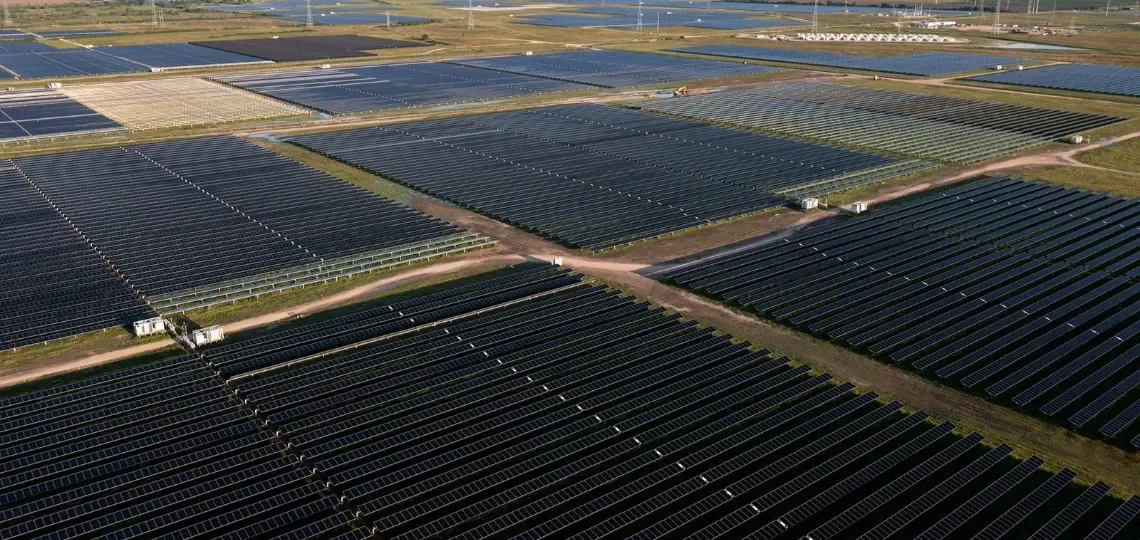
- Doral Renewables Closes Financing for 430 MWac Solar Project in Texas
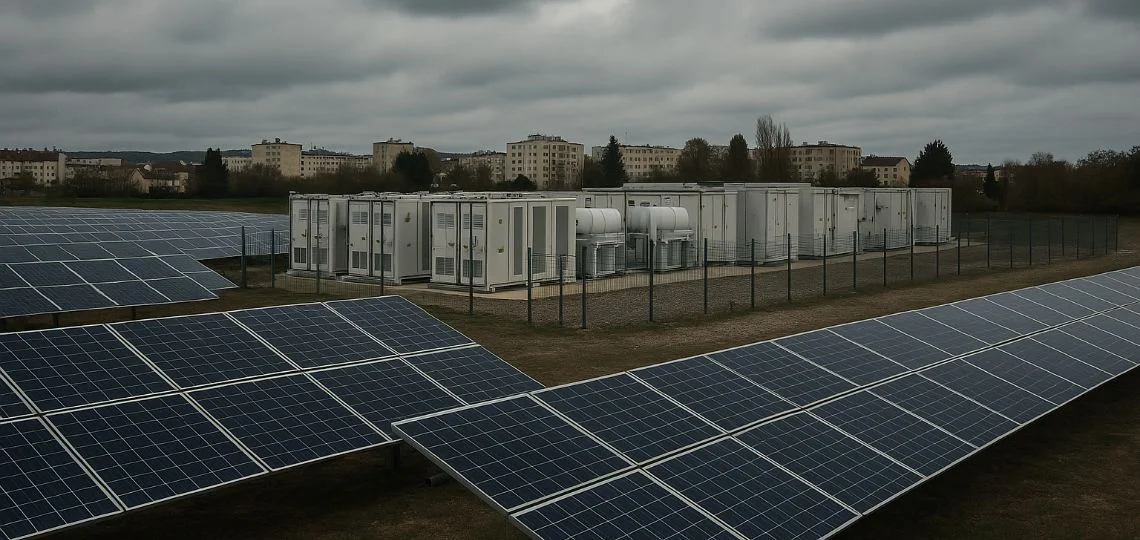
- CRE Proposes Adapting Support Scheme for Large Photovoltaic Installations with Storage
Energy Issues
- Confindustria warns of Italian recession if the Middle East war continues
- India targets 60% non-fossil electricity and 47% lower emission intensity by 2035
- Colombia and Netherlands build a 45-nation coalition against fossil fuels

- Baker Hughes and Google Cloud Partner to Optimize Data Center Energy
- Denmark: Climate Tops Agenda for 32% of Voters as Legislative Elections Loom

Gas
- Algeria and Spain Strengthen Their Gas Alliance Around the MedGaz Pipeline
- Cyclone Narelle Disrupts Chevron LNG Output at Gorgon and Wheatstone

- TotalEnergies Cuts Global Carbon Emissions by 2 to 3% in 2025
- Flex LNG Signs Two-Year Charter Agreement for LNG Carrier Flex Aurora

- Hungary to Gradually Cut Gas Supplies to Ukraine Over Druzhba Pipeline Dispute
Critical Metals
- ASX 200 Rebounds 0.2% Led by Mining and Financial Sectors

- BHP and Lynas Lift Australian Stock Market on Metal Strength

- Australian Markets Rally on Gold, Metals Amid Iran Crisis

- Rio Tinto Targets Glencore in $207 Billion Deal, Raising Pressure on BHP
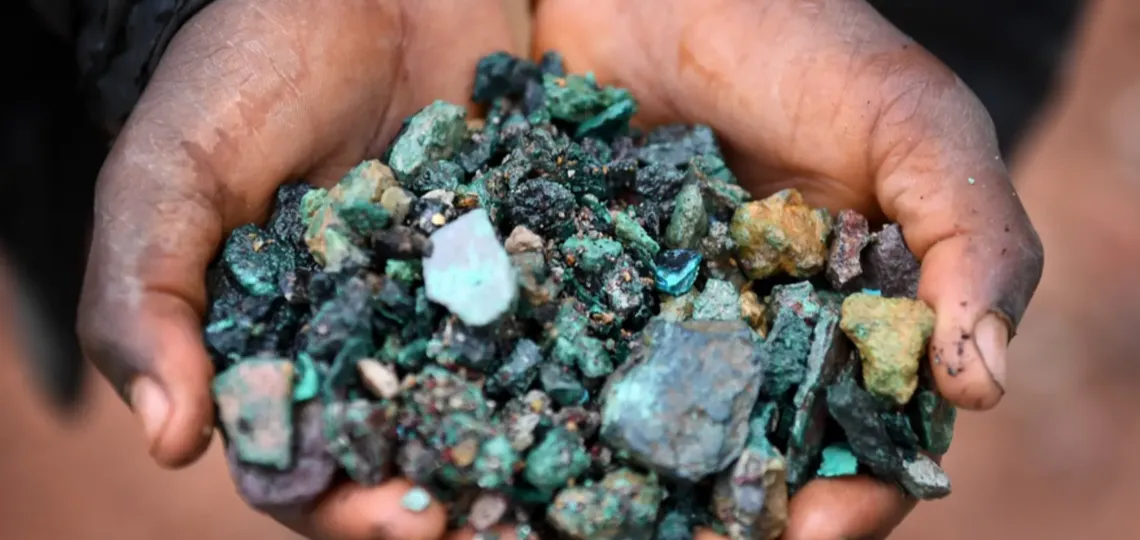
- Congo’s export quotas tighten global cobalt supply
Mobility
- France Renewables and Avere-France Call for Territory-Rooted Electrification Strategy
- VinFast Doubles 2025 Deliveries as Net Loss Deepens to $3.87 Billion

- Global Energy Transition Investment Reaches $2.3 Trillion in 2025
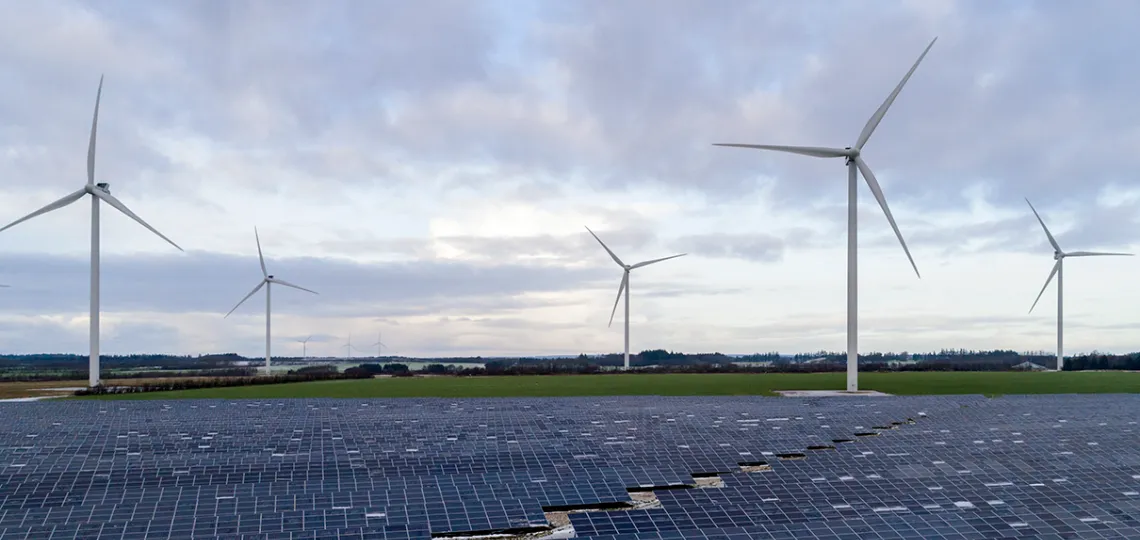
- Aptera Motors Raises $9M Through Public Offering of Shares and Warrants on Nasdaq

- Electric car sales surge 29.9% in the European Union in 2025
Oil
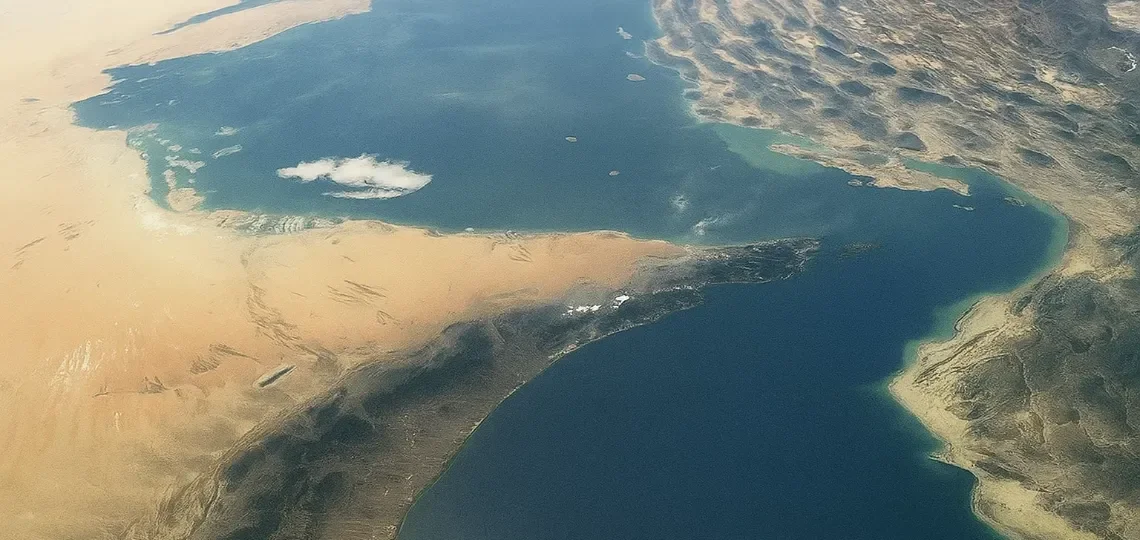
- Tehran threatens Bab el-Mandeb strait, a strategic corridor for oil
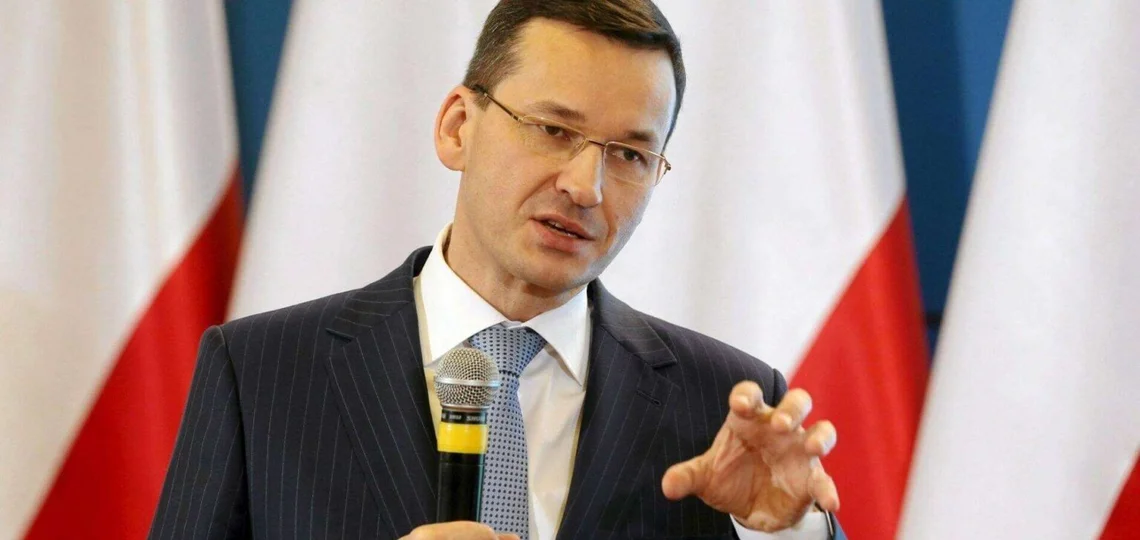
- Poland Caps Fuel Prices and Cuts VAT Amid Middle East Tensions
- South Korea Mobilizes $17 Billion to Cushion Middle East Oil Shock
- Venezuelan Oil: Chevron, Shell and ExxonMobil Weigh the Risks of Costly Engagement
- Turkish Tanker Carrying Russian Oil Struck by Naval Drone in the Black Sea

Heat Networks
- Dalkia wins €15bn contract to manage Paris heating network until 2050
- NGE and AREC launch an energy network to shape Magna Porta

- Germany delays RED III directive, retroactive enforcement now likely

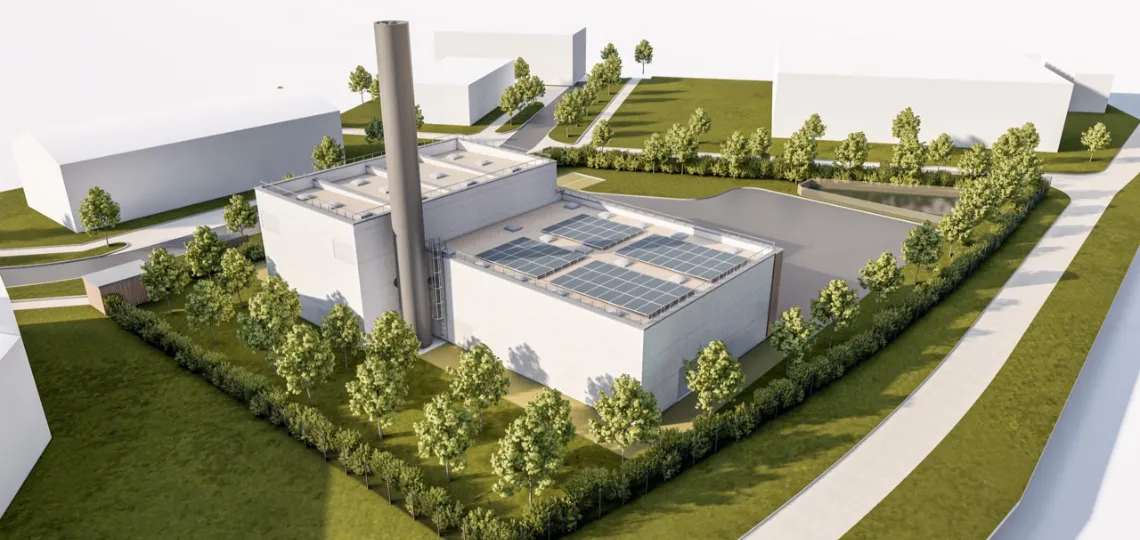
- Dalkia commissions low-carbon heating network in Poitiers for €22mn ($23.8mn)
- Antin plans to sell Idex, valued up to €4 bn, by 2026
Power Grids
- Transgrid secures up to 2GW of batteries to strengthen NSW grid
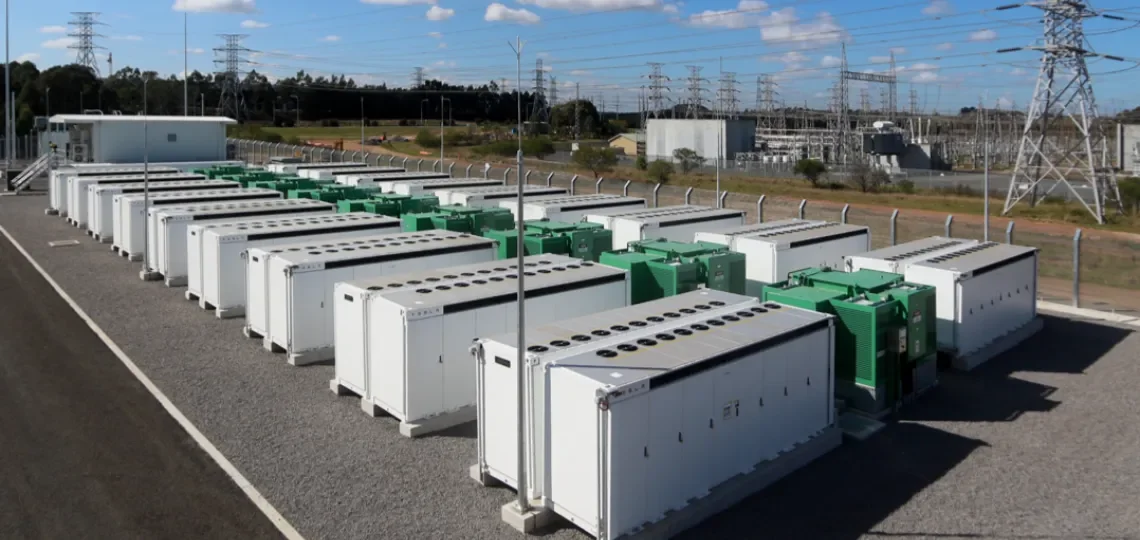
- Moldova Declares Energy State of Emergency After Strikes in Ukraine

- Russian Strikes on Ukraine Sever Moldova's Key European Electricity Supply
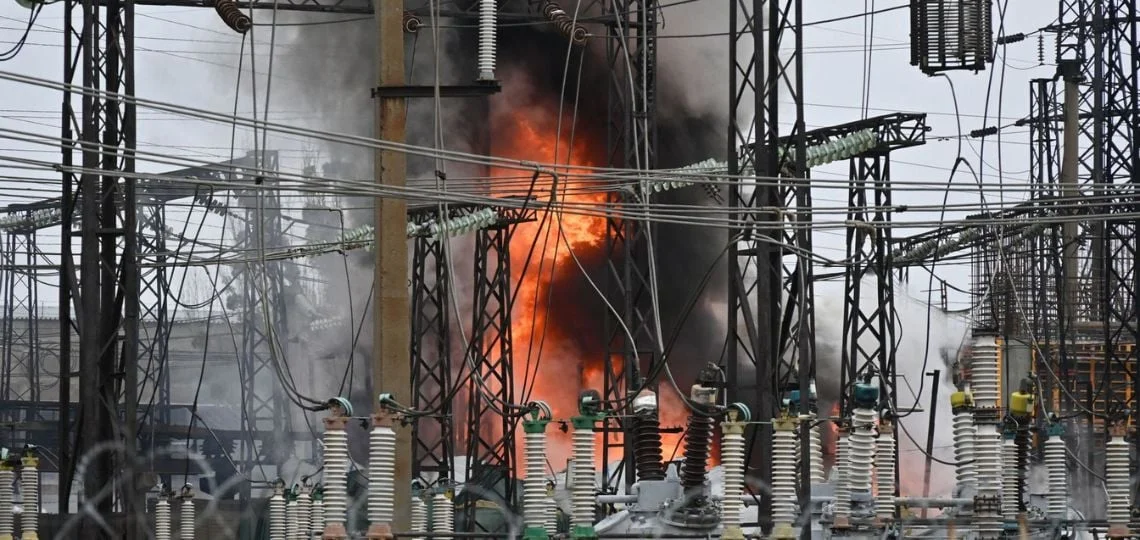
- Cuba Restores Power After Second Nationwide Blackout in One Week

- Cuba suffers its sixth total blackout since Venezuelan oil halt

Energy Storage
- Transgrid secures up to 2GW of batteries to strengthen NSW grid
- Recharge Power Secures 80 MWh Energy Storage Order in Japan
- Doral Renewables Closes Financing for 430 MWac Solar Project in Texas
- CRE Proposes Adapting Support Scheme for Large Photovoltaic Installations with Storage
- Octopus Australia secures Flow Power for its 300 MW Blind Creek project
Renewables
Hydrogen