Colombia and Netherlands build a 45-nation coalition against fossil fuels
Colombia and the Netherlands are gathering 45 countries on April 28-29 in Santa Marta to launch an international coalition committed to eliminating fossil fuels, amid an energy crisis driven by the Middle East conflict.
| Countries | Colombie, Pays-Bas, Brésil, États-Unis |
|---|---|
| Sector | Enjeux Énergétiques, Climat |
| Theme | Politique & Géopolitique, Diplomatie |
Colombia and the Netherlands are co-organizing an international conference on April 28-29 in Santa Marta to launch a coalition of countries committed to eliminating fossil fuels. Forty-five countries have confirmed their participation, according to Colombian Environment Minister Irene Vélez, including major hydrocarbon producers from Europe and North America. The dependence on fossil energies exposes economies to growing risks, as illustrated by the situation of the United Kingdom in the face of energy shocks. The minister did not name the countries involved.
An initiative born from the deadlocks of UN climate diplomacy
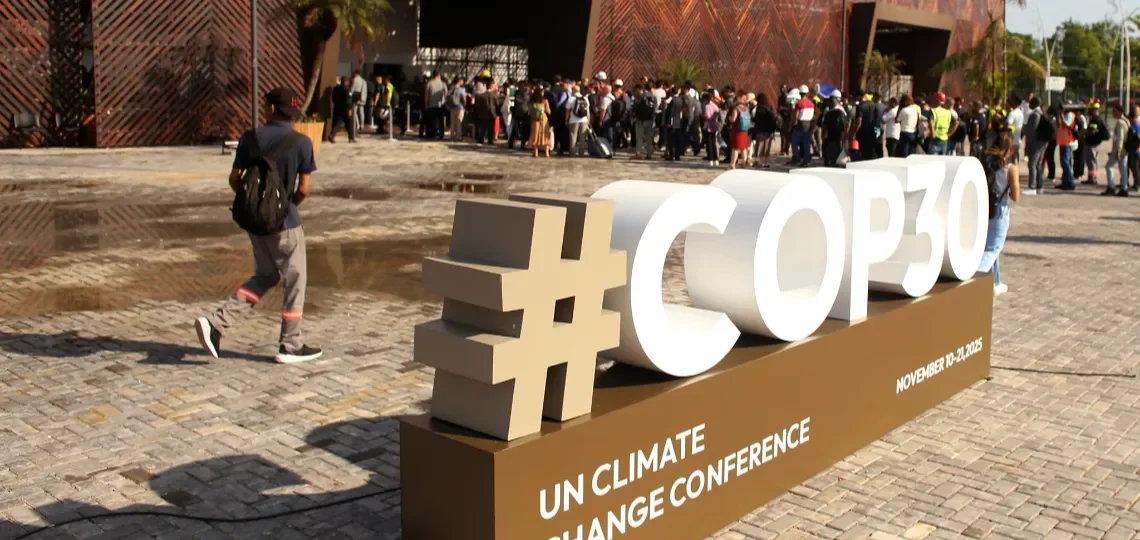
The conference was decided at COP30 in Belém, Brazil, following the absence of consensus among the 200 nations participating in this United Nations climate conference. In Belém, in November, a group of countries had chosen to unite despite commitments made at COP28 in Dubai two years earlier. Colombia's objective is to form a "coalition of those with the will to eliminate fossil fuels" and who are "ready to take action", Vélez said during an online meeting with journalists organized by the Observatório do Clima, a Brazilian network of non-governmental organizations.
The Santa Marta conference brings together countries willing to pursue an energy transition beyond traditional multilateral mechanisms. Minister Vélez said she expects California Governor Gavin Newsom, a Democrat leading opposition to the dismantling of climate policies pursued by US President Donald Trump.
The Middle East war, a catalyst for pressure on fossil fuels
For Irene Vélez, the initiative is particularly relevant in a context she describes as a "maximum crisis" driven by the war in the Middle East. The conflict has pushed oil prices higher and highlighted the dependence of many countries on fossil fuels, fueling fears of an international economic crisis. The minister did not specify price levels or associated economic projections.
Meanwhile, Brazil's COP30 presidency has been developing, since late 2025, an international roadmap for exiting fossil fuels. The document is to be presented at the next COP, chaired by Turkey, in November. The proliferation of such initiatives reflects growing pressure to accelerate the exit from hydrocarbons beyond purely multilateral mechanisms.