The Paris Council has approved the concession of the urban heating network to Dalkia, a subsidiary of Électricité de France (EDF), for a 25-year term. The €15bn ($16.34bn) contract ends over a century of operations by Engie and covers heating for nearly one million people in Paris and 16 surrounding municipalities.

A contested change in operator
Engie, the historical operator, lost the contract following a five-year tender process. The group sent a letter to city officials defending its proposal but has not, at this stage, filed any legal appeal. The announcement sparked strong political reactions, with several opposition members criticising the decision made just months before municipal elections scheduled for spring.
Investment and energy transition commitments
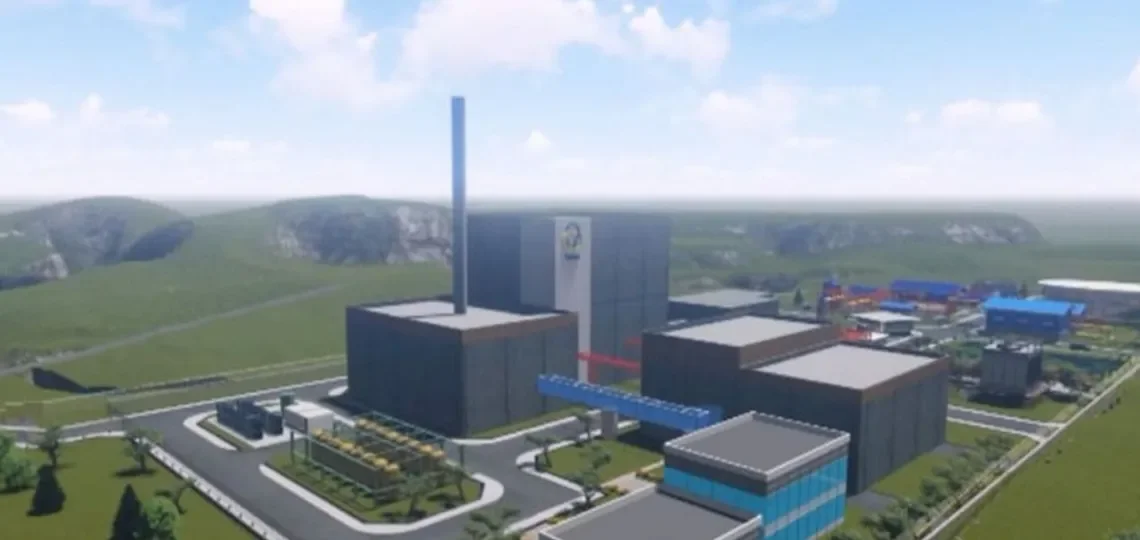
The agreement includes €3.4bn ($3.7bn) in investments to raise the share of renewable energy in the heating network to 76%, up from the current 50%. Sources include waste incineration, biomass, and geothermal energy. A new incineration facility is planned in Vitry-sur-Seine, in the Val-de-Marne department, to support this target.
Lower consumer costs expected from 2027
According to projections from the City of Paris, 69% of subscribers are expected to see a reduction in their bills from 2027, particularly in residential housing. The network’s extension will allow the equivalent of 200,000 additional homes to move away from gas or oil-based heating systems, according to city officials.
A political decision with long-term impact
Several opposition councillors criticised the timing of the decision. David Alphand, representing the Les Républicains group, said the current administration is binding the city’s finances for decades. Pierre-Yves Bournazel, Horizons candidate for mayor, called the contract a “time bomb”, while Maud Gatel (MoDem) criticised what she sees as insufficient ambition for such a strategic network, which spans more than 500 kilometres.