Poland Caps Fuel Prices and Cuts VAT Amid Middle East Tensions
Warsaw announces a VAT cut to 8%, daily fuel price caps and a windfall tax on oil companies to counter surging fuel costs linked to Middle East tensions.
| Sectors | Oil, Fuels |
|---|---|
| Themes | Regulation & Governance, Public Policy |
| Countries | Poland, Iran |
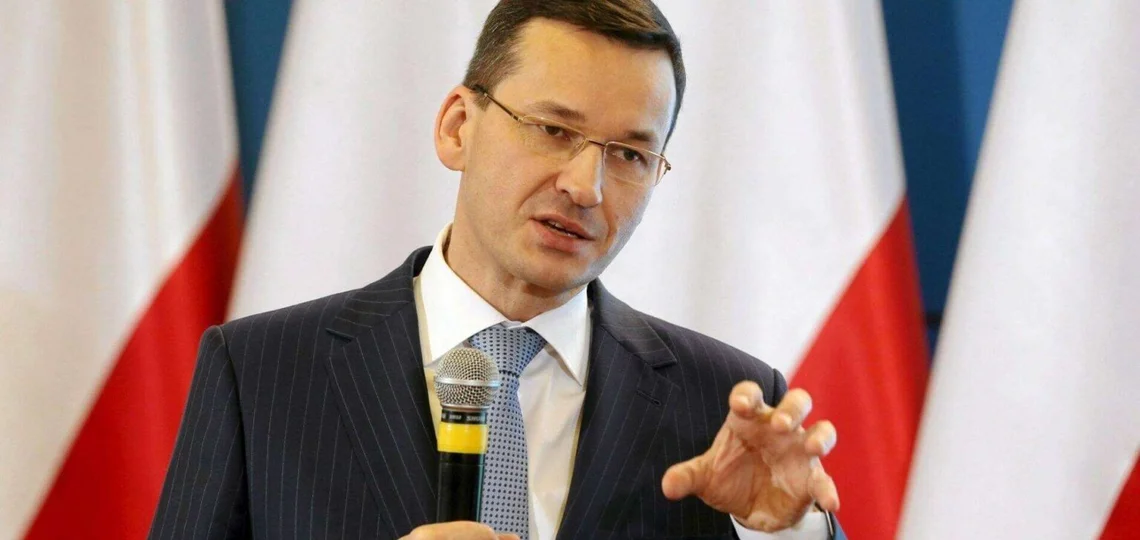
Polish Prime Minister Donald Tusk announced Thursday an emergency package of measures aimed at containing the surge in fuel prices at the pump. These decisions follow the spike in global oil prices driven by tensions in the Middle East. The Warsaw government acknowledges its dependence on international markets: "the situation on the fuel market in the world and in Poland will depend on what is happening precisely in the war in the Middle East," in the Prime Minister's own words. Against this backdrop of oil market volatility linked to US-Iran tensions, Warsaw has chosen to intervene directly on price mechanisms.
VAT Cut, Price Caps and Windfall Tax
The value-added tax (VAT) on fuels will be cut from 23% to 8%. The government simultaneously decided to introduce a daily maximum price, set each day by the Energy Minister. The package will be complemented by a windfall tax on excessive profits of oil companies.
The combined effect of these measures should reduce pump prices by approximately 1.2 zlotys (0.28 EUR) per liter compared to prices set by global markets, Tusk indicated. "Our package [...] also aims to prevent profiteering from this crisis, to prevent people from making money at the expense of Polish taxpayers, Polish drivers," he declared. The proliferation of geopolitical incidents affecting oil supply is intensifying price pressure across the continent.
Fast-Track Legislative Procedure
The measures will be sent to parliament on Friday for fast-track adoption. The text is due to be submitted the same day for the President's signature. If this schedule is met, the effects could be visible to consumers before the end of the following week.
Oil prices continued to rise Thursday after Donald Trump described Iranian negotiators as "different and weird," while Tehran denied any discussions with Washington. These statements fueled fears of a new escalation in the region. The Polish government, facing a market dynamic it cannot control, opted for direct intervention on prices rather than waiting for diplomatic easing.