Russian Strikes on Ukraine Sever Moldova's Key European Electricity Supply
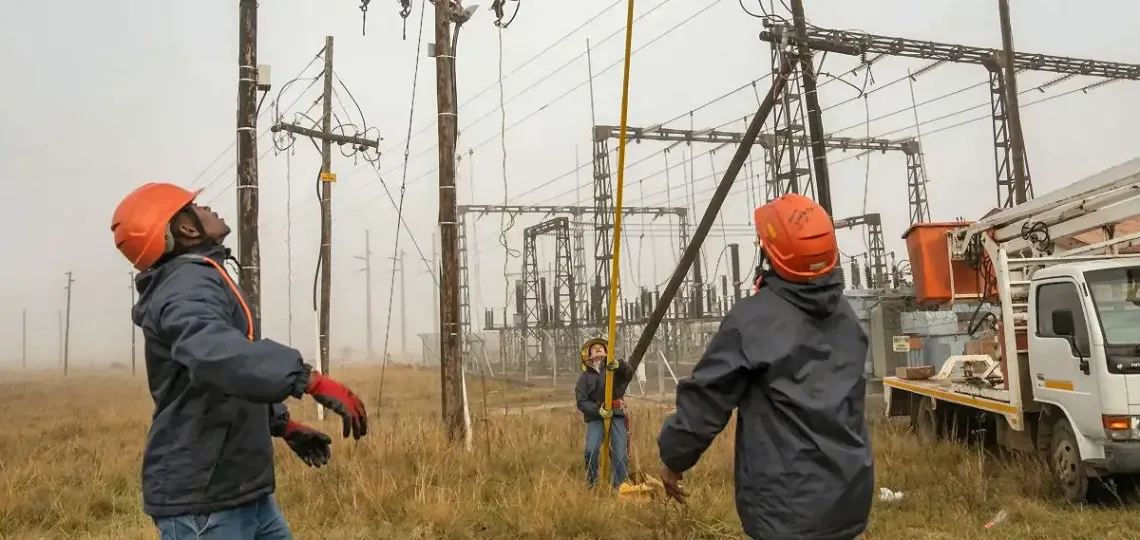
Russian overnight strikes on Ukraine's energy infrastructure severed Moldova's main electricity import line from Romania, leaving the country in a precarious supply situation.
| Countries | Moldavie, Ukraine, Roumanie |
|---|---|
| Sector | Réseaux électriques, Interconnexions |
| Theme | Politique & Géopolitique, Sécurité énergétique |
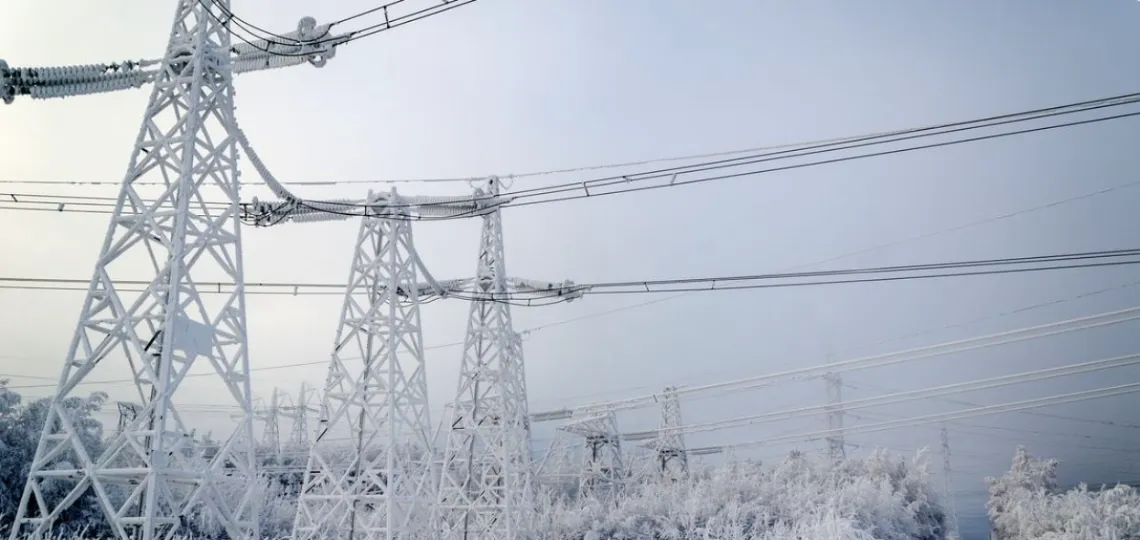
Moldova announced Tuesday the interruption of a key electricity supply from Europe following Russian strikes against Ukrainian energy infrastructure. President Maia Sandu declared on social media platform X that "strikes during the night disconnected a key energy supply line from Europe." The former Soviet republic imports most of its electricity from Romania via a line running through southern Ukraine. The government described the situation as "precarious" while noting that alternative lines remained available.
Backup Lines Activated, Situation Remains Uncertain
These alternative lines rely on direct interconnections between Romania and Moldova, according to Moldovan authorities, who issued a statement on Telegram. The government urged citizens to "use energy reasonably during peak hours" to avoid overloading the network. Sandu held Russia "solely responsible" for the disconnection in a statement published on X.
Moldova's Ministry of Foreign Affairs condemned "actions undermining regional energy security and endangering critical civilian infrastructure," according to an official statement distributed on Telegram. Moldova has domestic electricity production capacity but depends structurally on Romanian imports to cover its full energy needs. This balance makes the country directly exposed to disruptions affecting regional transit networks.
A Second Incident in Less Than Two Months
Moldova's supply had already been disrupted in January following cuts to the Ukrainian network caused by Russian attacks on the country's infrastructure. These repeated incidents reveal the vulnerability of countries that import electricity via transit networks crossing conflict zones. Other European markets face dependencies of a different nature — natural gas still determines 85% of electricity prices in Britain despite the growth of renewables, underscoring the persistence of structural vulnerabilities across the continent.