Dalkia commissions low-carbon heating network in Poitiers for €22mn ($23.8mn)

The GPCU PB network, powered 95% by low-carbon sources, spans 13 km and serves 55 buildings, with total public and private funding of €22mn ($23.8mn).
Share:

Comprehensive energy news coverage, updated nonstop

Annual subscription

8.25$/month*

*billed annually at 99$/year for the first year then 149,00$/year ​

Unlimited access • Archives included • Professional invoice

OTHER ACCESS OPTIONS

Monthly subscription

Unlimited access • Archives included

5.2$/month*
then 14.90$ per month thereafter

FREE ACCOUNT

3 articles offered per month

FREE

*Prices are excluding VAT, which may vary depending on your location or professional status

Since 2021: 35,000 articles • 150+ analyses per week

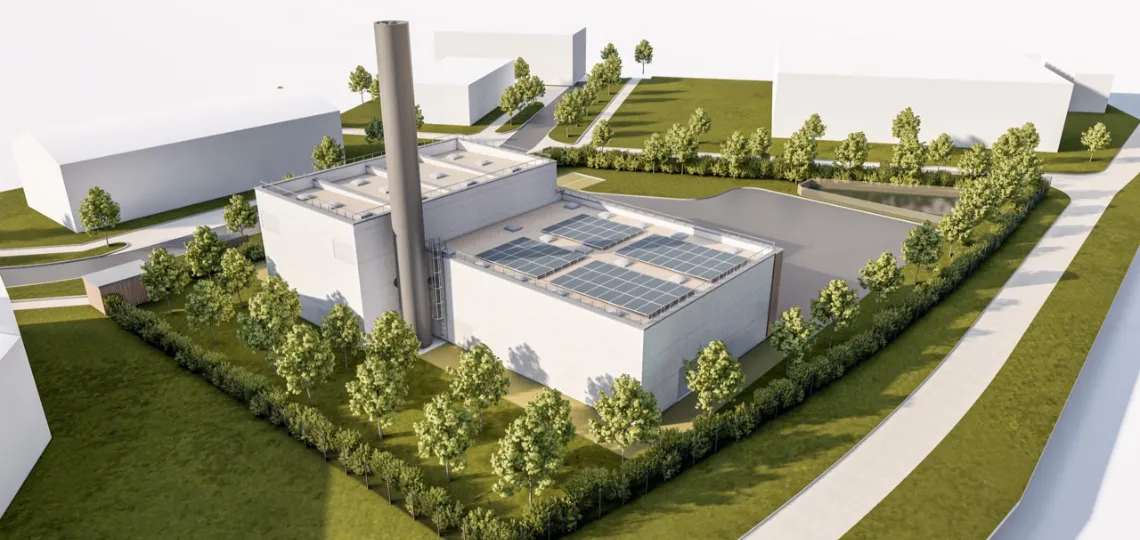
Dalkia has inaugurated a new urban heating network in Poitiers, in partnership with the Grand Poitiers authority and the Nouvelle-Aquitaine Region. Named Grand Poitiers Chauffage Urbain – Poitiers-Biard (GPCU PB), the project aims to strengthen local energy autonomy through infrastructure powered 95% by low-carbon energy sources. The installation serves 55 public and private buildings and will reduce carbon dioxide emissions by 5,400 tonnes annually.
A 13 km network operational after one year of construction

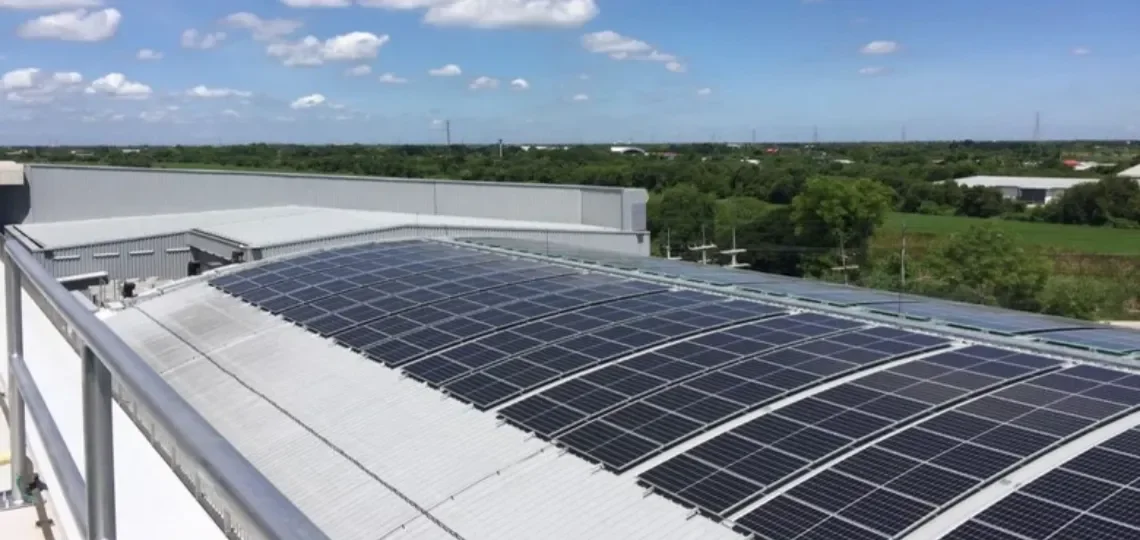
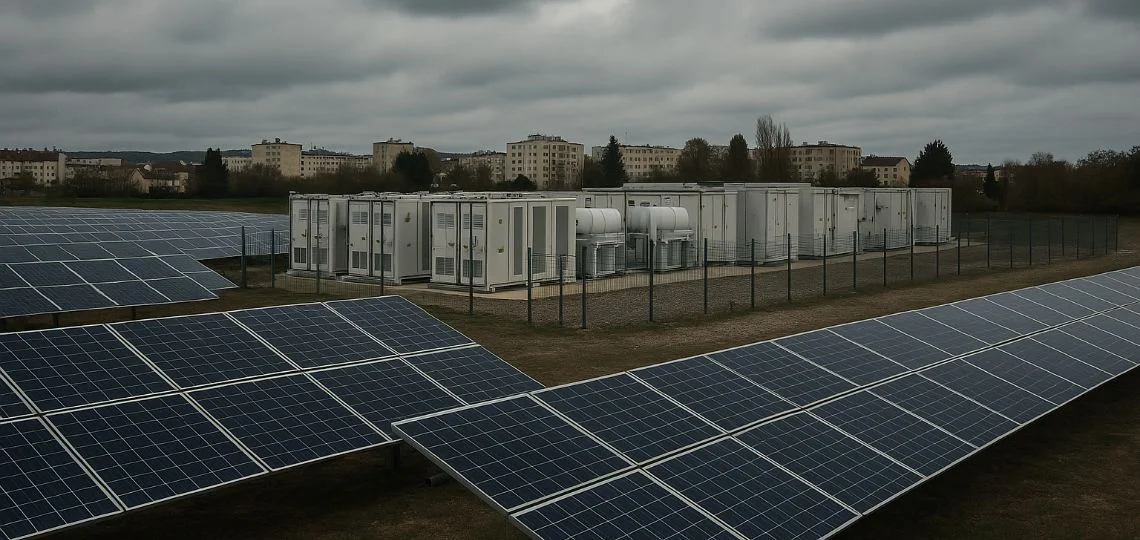
The main heating plant, located in the Montgorges district, operates on wood energy and has a capacity of 5.3 megawatts. It uses forestry residues collected within a 100-kilometre radius, contributing to a regional circular economy. The site is also equipped with photovoltaic panels on its roof to optimise the facility’s overall energy performance.

The 13-kilometre distribution network provides heating and hot water to various buildings, including social housing units, co-owned residences and several schools. The system supplies around 2,500 households while avoiding emissions equivalent to those produced by 2,700 cars.

Mixed financing and local economic impact

The total cost of the project amounts to €22mn ($23.8mn), of which €8.6mn ($9.3mn) was provided by the French Agency for Ecological Transition (ADEME) under the Heat Fund. The European Union also contributed €3mn ($3.2mn) through the European Regional Development Fund (ERDF), managed by the Nouvelle-Aquitaine Region. Dalkia financed the remaining amount under a public service delegation agreement.

The company also included a professional training component in the initiative, with 12,000 hours of social integration planned over 20 years. The objective is to train young people in energy sector professions and create long-term economic ties within the Grand Poitiers area.

Expansion and energy mix diversification planned

An expansion of the network is scheduled for summer 2026. It will connect GPCU PB with the existing Poitiers Saint-Benoît Buxerolles network (GPUC PSBB). This interconnection will be accompanied by the installation of a new multi-fuel boiler designed to run primarily on miscanthus, a perennial plant cultivated locally.

This development will increase the total capacity of the interconnected system to a level sufficient to meet the needs of 15,000 households. The project also aims to stabilise the price of supplied energy by reducing dependency on fossil fuels and fluctuations in the international market.

Veolia launches a major project in Pozna aiming to fully replace coal with low-carbon local energy sources in district heating, with a first phase already operational showing 92% efficiency.
Veolia connects its Lapouyade site to RTE's secondary reserve using instant modulation technology, paving the way for rollout across 25 sites.
Erex will end the environmental assessment of a 300MW biomass project developed with ENEOS in Niigata due to rising costs and a weaker yen.
California-based start-up Erg Bio has closed a $6.5mn seed round to industrialise its Aspire™ technology, backed by Azolla Ventures, Chevron Technology Ventures, and Freeflow.
Haffner Energy presents the H6 generation, a biomass‑hydrogen system positioned as competitive against electrolysis, as the company seeks new investors amid financial pressure and a regulatory landscape focused on RFNBO.
Haffner Energy signs its first contract in the United States with OroCarbo to supply two SYNOCA® modules for an integrated biomethanol project scheduled for 2028 in California's Central Valley.
Argentina increased regulated prices for ethanol and biodiesel used in mandatory blending, directly impacting the local industry and domestic fuel market.
80 Mile PLC has completed the full acquisition of Ferrandina in Italy and signed three memorandums of understanding with major energy groups, securing the supply and processing of 120,000 tonnes of biofuels per year.
Fonds Bioénergie acquires a stake in Keridis BioEnergy to accelerate renewable natural gas production from agricultural and food residues across Québec.
The United States recorded a limited 3% increase in its annual biofuels production capacity in 2024, hindered by declining margins and the closure of several facilities.
Enilive aligns conversions in Italy, hubs in Asia and U.S. diversification, with rising HVO margins, integrated pretreatment and HVO/SAF offtakes tied to European requirements, supporting volumes, site utilization and operational guidance.
The Ille-et-Vilaine Departmental Energy Syndicate awarded ENGIE Solutions a €9.5mn ($10.01mn) contract to operate a 4.9 km heating network, scheduled for commissioning in 2027.
Vermont’s energy regulator authorises final review of a 2.2 MW project led by Clean Energy Technologies to convert agricultural waste into renewable electricity.
The increase in Brazil’s biodiesel blend mandate to 15% has reignited calls for stronger regulatory supervision as prices climb and budget constraints limit enforcement.
Waga Energy strengthens its presence in Brazil, betting on a rapidly structuring market where biomethane benefits from an incentive-based regulatory framework and strong industrial investment prospects.
John Cockerill and Axens launch NesaBTF, an industrial torrefaction technology designed to optimise biomass supply, with targeted ambitions in the growing sustainable aviation fuel market.
A R550mn grant enables Johannesburg to launch a waste-to-energy project with a 28 MW capacity under a 25-year public-private partnership model.
ENGIE signs a 15-year agreement with CVE Biogaz for the purchase of biomethane produced in Ludres, under the Biogas Production Certificates mechanism, marking a structuring step for the sector's development in France.
The first phase of a green methanol project in Inner Mongolia has successfully completed biomass gasifier technical tests, marking a key milestone in Goldwind's industrial deployment.
Eni begins the transformation of its Priolo complex in Sicily with a 500,000-tonne biorefinery and a chemical plastic recycling plant, based on its proprietary Hoop® technology.

All the latest energy news, all the time

Annual subscription

8.25$/month*

*billed annually at 99$/year for the first year then 149,00$/year ​

Unlimited access - Archives included - Pro invoice

Monthly subscription

Unlimited access • Archives included

5.2$/month*
then 14.90$ per month thereafter

*Prices shown are exclusive of VAT, which may vary according to your location or professional status.

Since 2021: 30,000 articles - +150 analyses/week.