Cyclone Narelle Disrupts Chevron LNG Output at Gorgon and Wheatstone
Tropical Cyclone Narelle triggered production stoppages at Chevron's Gorgon and Wheatstone LNG sites, which supply about 5% of global output, amid mounting geopolitical pressure on gas markets.

| Sectors | Gas, Natural Gas, LNG |
|---|---|
| Themes | Risks & Events, Industrial Accidents |
| Companies | Chevron, Woodside Energy |
| Countries | Australia, Qatar, Iran |
Tropical Cyclone Narelle struck the coast of Western Australia on Thursday, forcing Chevron to halt production at its two main liquefied natural gas (LNG) complexes. The American energy giant announced stoppages at its Gorgon and Wheatstone sites, which together supply about 5% of global LNG output, according to the company. The disruptions hit a market already under strain, as Iran struck the Ras Laffan terminal, sending European gas prices 35% higher. Chevron says it is working to restore production at the facilities.
Two Strategic Complexes Simultaneously Offline
Gorgon and Wheatstone rank among the world's largest LNG production sites. Chevron is one of two leading natural gas producers in Western Australia, alongside Woodside Energy. Together, these two companies account for more than 15% of international natural gas exports. The simultaneous shutdown of both Australian complexes adds further pressure to a global supply already constrained by multiple factors.
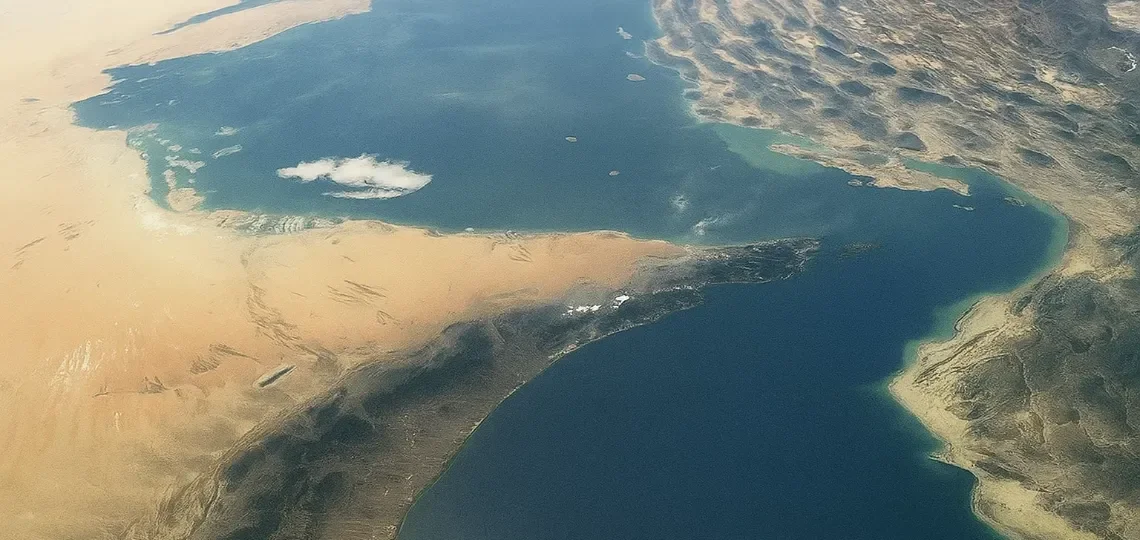
The war waged by the United States and Israel against Iran has caused significant disruptions in global oil and LNG supply. Qatar, the world's second-largest LNG producer, has seen its exports fall as tankers avoid the Strait of Hormuz, effectively closed since the conflict began. These geopolitical tensions are reshaping gas flows worldwide, with changes in gas routing toward Eastern Europe illustrating the broader reconfiguration underway.
Asian LNG Prices More Than Double
Asian countries that rely heavily on LNG imports are bearing the most direct impact of these compounding disruptions. LNG prices in some of these markets have more than doubled since the start of the conflict in late February. The Australian shutdowns risk further amplifying these price pressures in markets where demand remains robust. The combined climate and geopolitical shocks are undermining energy supply security across several Asian economies.