Indonesia cuts mining quotas to support coal and nickel prices

The Indonesian government plans to limit mining output in 2026 to stabilise commodity prices and increase fiscal revenues, according to the Minister of Energy and Mineral Resources.
Share:

Comprehensive energy news coverage, updated nonstop

Annual subscription

8.25$/month*

*billed annually at 99$/year for the first year then 149,00$/year ​

Unlimited access • Archives included • Professional invoice

OTHER ACCESS OPTIONS

Monthly subscription

Unlimited access • Archives included

5.2$/month*
then 14.90$ per month thereafter

FREE ACCOUNT

3 articles offered per month

FREE

*Prices are excluding VAT, which may vary depending on your location or professional status

Since 2021: 35,000 articles • 150+ analyses per week

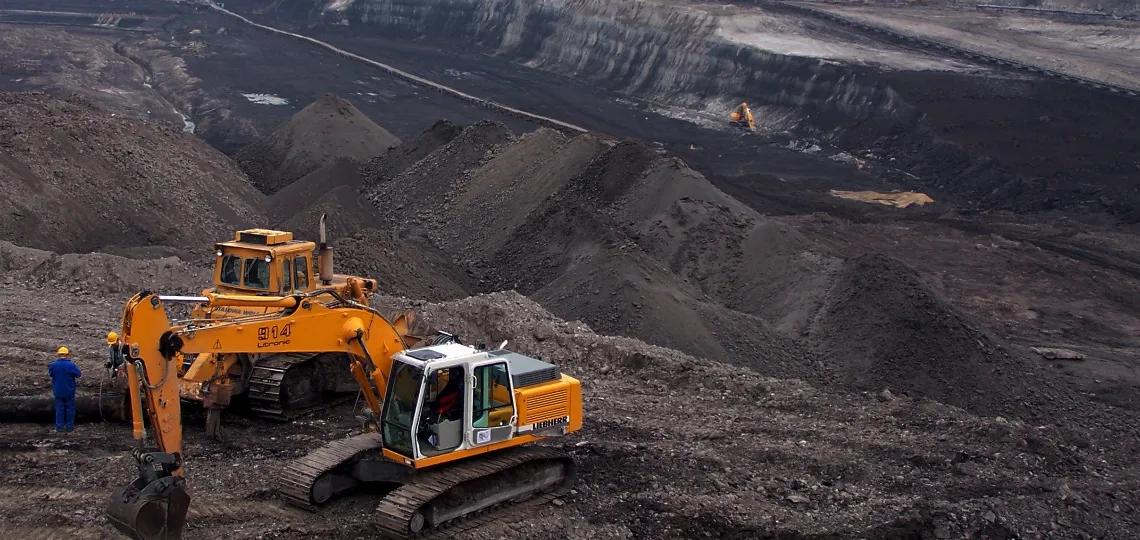
Indonesia’s Minister of Energy and Mineral Resources, Bahlil Lahadalia, announced that the government will reduce mining production quotas to maintain viable price levels for key national commodities such as coal and nickel. The decision forms part of a broader strategy to maximise tax revenues and ensure sustainable profitability for businesses in the sector.
Measures integrated into the annual production plan

The minister specified that the production cuts would be implemented under the Rencana Kerja dan Anggaran Biaya (RKAB), an annual work and budget plan document that each mining company must submit to the government for approval. According to him, these adjustments will enable the state to collect higher royalties and taxes, while allowing companies to benefit from increased margins when global prices are high.

Bahlil Lahadalia referred to a current decline in coal prices but did not provide specific figures on the scale of the planned reductions for this resource or for others, such as nickel. However, immediate effects were seen in the markets, with nickel prices on the Shanghai exchange rising over 3% due to reports of a potential drop in Indonesian supply.

A major player in global markets

Indonesia holds a strategic position in the global supply of several raw materials. It is the world’s top exporter of thermal coal and processed nickel products, which are essential for numerous industrial sectors internationally. The reduction in national output could therefore affect global market balances, particularly in Asia and Europe.

Indonesian authorities have also justified the decision as a means to better regulate the environmental impact of mining operations. Although this rationale was mentioned, it remains secondary to the economic objectives related to taxation and state revenue.

Public revenue at the centre of the strategy

The quota reduction policy, focused on more precise supply regulation, could serve as a tool to boost public revenue without introducing new taxes. It reflects an approach centred on the value optimisation of existing resources while maintaining control over local market fluctuations.

“When prices are good, businesses earn better profits and the state collects more taxes and royalties. This is what we are aiming for now,” the minister said during a televised interview.

Global coal demand is expected to stabilise by the end of the decade as growing competition from other power sources begins to weigh on the market’s long-term outlook.
A new independent study shows that maintaining aging coal plants increases electricity bills in Kentucky, while a renewable-based energy portfolio could generate up to $2.6bn in savings by 2050.
Queensland, Australia's leading coal-producing state, has scrapped its 2035 renewable energy targets, citing competitiveness and energy cost stability as key priorities.
Rising wholesale electricity prices in 2025 are strengthening margins for coal and gas-fired plants in the United States, with the profitability gap between the two narrowing significantly.
New Delhi formalises a 307 GW coal capacity cap by 2035, integrating existing projects without initiating closure policies, within a regulatory framework that remains flexible.
Bangladesh temporarily blocks international arbitration with Adani Power pending the conclusions of an expert committee on the legality of the electricity supply contract signed with the Indian conglomerate.
The European Commission has approved a €1.75 bn ($2.03 bn) public subsidy from Germany to compensate energy company LEAG for the planned shutdown of its coal-fired power plants by 2038.
Seoul joins the Powering Past Coal Alliance and confirms a gradual withdrawal from unabated coal, with a regulatory programme targeting the closure of 40 facilities and a strict assessment of the remaining units.
Indonesia’s coal overproduction has cut state revenues and company profits, while methane emissions from mines far exceed official figures.
The Brazilian government is granting new contracts to coal-fired power plants until 2040, illustrating the weight of regulatory decisions and industrial interests in a country predominantly powered by renewable energy.
New Delhi is preparing a revised roadmap for its climate commitments while maintaining heavy reliance on coal to sustain economic growth and respond to growing regulatory pressure.
J-POWER announces the retirement of its 500MW coal-fired Takasago Thermal Power Station in Hyogo Prefecture by FY2028, marking a key shift in its energy investment strategy.
US coal exports fell 11% in the first half of 2025, prompting the Trump administration to commit $100mn to upgrade domestic power plants and support the national energy sector.
A modelling study finds India does not need new coal plants beyond current plans through 2032, as overcapacity would raise costs and reduce utilisation across the thermal fleet.
Morocco announces a coal exit target for 2040, subject to international support, while accelerating the deployment of renewable energy in its power mix.
Falling Chinese imports and Asia’s regional pivot increase pressure on Australian thermal coal exporters.
Chinese buyers begin negotiations for 2026 thermal coal deliveries, favouring shorter contracts to maintain flexibility in a stable price environment.
Queensland coal producers are struggling to rein in costs, which remain above pre-2022 levels as the impact of royalty hikes and margin pressures continues to weigh on the sector.
Coal will temporarily become the main source of electricity in the Midwest markets MISO and SPP during winter, according to the latest federal forecasts.
The Trump administration plans to open millions of federal hectares to coal and ease environmental rules governing this strategic industry.

All the latest energy news, all the time

Annual subscription

8.25$/month*

*billed annually at 99$/year for the first year then 149,00$/year ​

Unlimited access - Archives included - Pro invoice

Monthly subscription

Unlimited access • Archives included

5.2$/month*
then 14.90$ per month thereafter

*Prices shown are exclusive of VAT, which may vary according to your location or professional status.

Since 2021: 30,000 articles - +150 analyses/week.