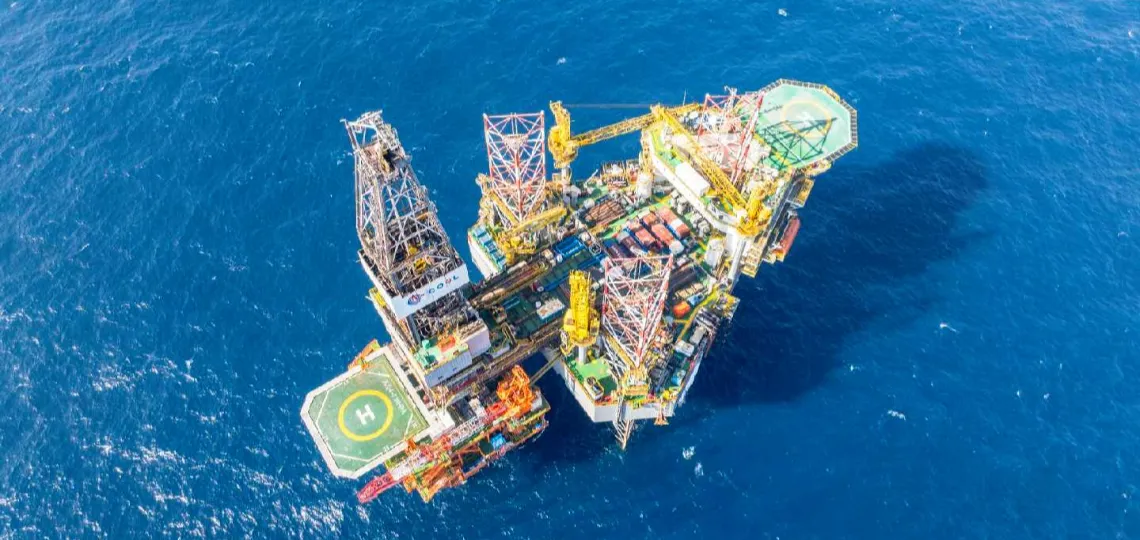
In response to rising domestic demand, Sonatrach adopts a five-year plan focused on increasing production, securing infrastructure, and maintaining export commitments.
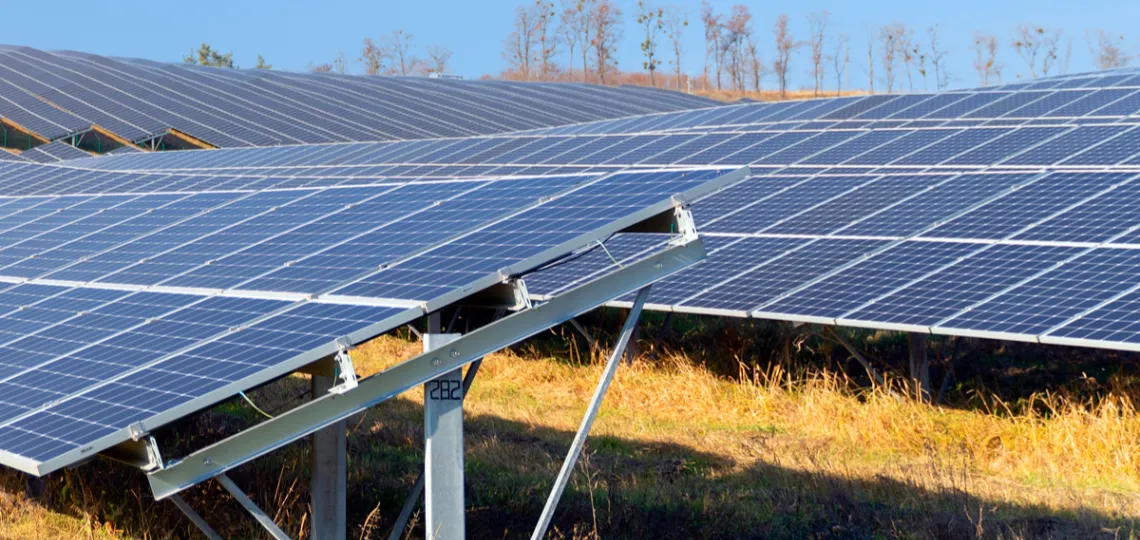
PowerBank has completed a major regulatory step for its landfill-based solar installation, moving ahead with permitting for a 2.1 MW community project in upstate New York.
NU E Power Corp. closed a first financing tranche of $625,003 to support interconnection projects in Alberta and international feasibility studies, marking a new phase in the deployment of its energy infrastructure network.
Indian solar module manufacturer Emmvee has commissioned a new 2.5 GW production unit in Karnataka, raising its total capacity to 10.3 GW and triggering a 6% rise in its share price on the BSE.
The South Korean nuclear regulator has approved the launch of the 1,400-megawatt Saeul 3 reactor, beginning with a six-month pilot phase before full commercial operation.
The Indonesian government plans to limit mining output in 2026 to stabilise commodity prices and increase fiscal revenues, according to the Minister of Energy and Mineral Resources.
Pipeline natural gas deliveries from Russia to the European Union dropped by 44% in 2025, reaching their lowest level in five decades following the end of transit via Ukraine.
Ankara is preparing a maritime exploration agreement with Damascus for 2026, marking a new phase in bilateral energy cooperation following a diplomatic rapprochement launched in 2025.
Octopus sells a minority stake in Kraken for $1 billion in a deal valuing the tech platform at $8.65 billion, initiating its spin-off and strengthening its position among international energy suppliers.
Amplify Energy has completed the sale of its Oklahoma assets for $92.5mn, as part of its strategy to streamline its portfolio and optimise its financial structure.
NextNRG strengthens its domestic battery supply by signing a memorandum of understanding with A123 Systems, targeting the deployment of energy storage systems manufactured in the United States across its national project portfolio.
AltaGas has finalised a labour agreement with union ILWU Local 523B, ending a 28-day strike at its Ridley Island propane terminal, a key hub for Canadian exports to Asia.
Fusion Fuel, through its subsidiary BrightHy Solutions, has set up a €30mn ($32.9mn) funded platform to develop industrial hydrogen projects, with the first site expected in Spain in 2026.
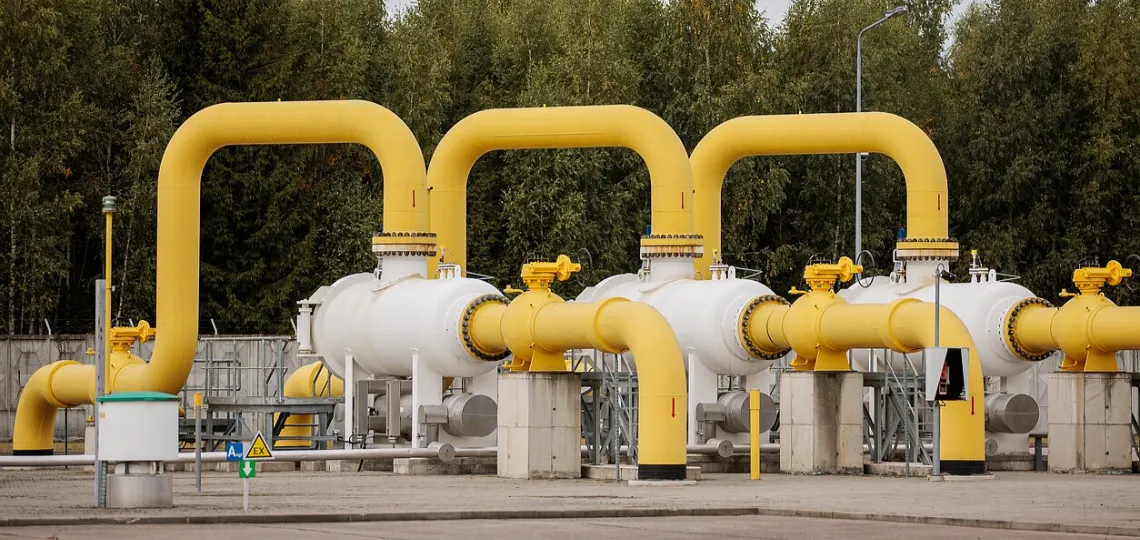
Amber Grid has signed an agreement to maintain gas transit to Russia’s Kaliningrad exclave, with a daily capacity cap of 10.5 mn m³ until the end of 2030, under a framework regulated by the European Union.
Cindrigo Holdings has secured the extension of its three geothermal permits in Germany and plans to benefit from a new loan programme launched by public bank KfW.
Lebanon engages in a memorandum of understanding with Egypt to import natural gas and support its electricity production, with infrastructure rehabilitation and active funding searches required to secure delivery.
Zimbabwe awards India’s Jindal Steel a $455mn contract to add 400 megawatts, or 20% of national demand, through the rehabilitation of its coal-fired Hwange plant.
Turkish, Hungarian and Polish national companies confirm participation in Tripoli's summit as Libya revives upstream investments and broadens licensing opportunities.
Global crude oil production is expected to rise by 0.8 million barrels per day in 2026, with Brazil, Guyana and Argentina contributing 50% of the projected increase.
The Kagurayama onshore wind farm (61.1 MW) begins operations under a secured 2017 FIT tariff, despite grid injection limits and a multi-stakeholder local governance model.
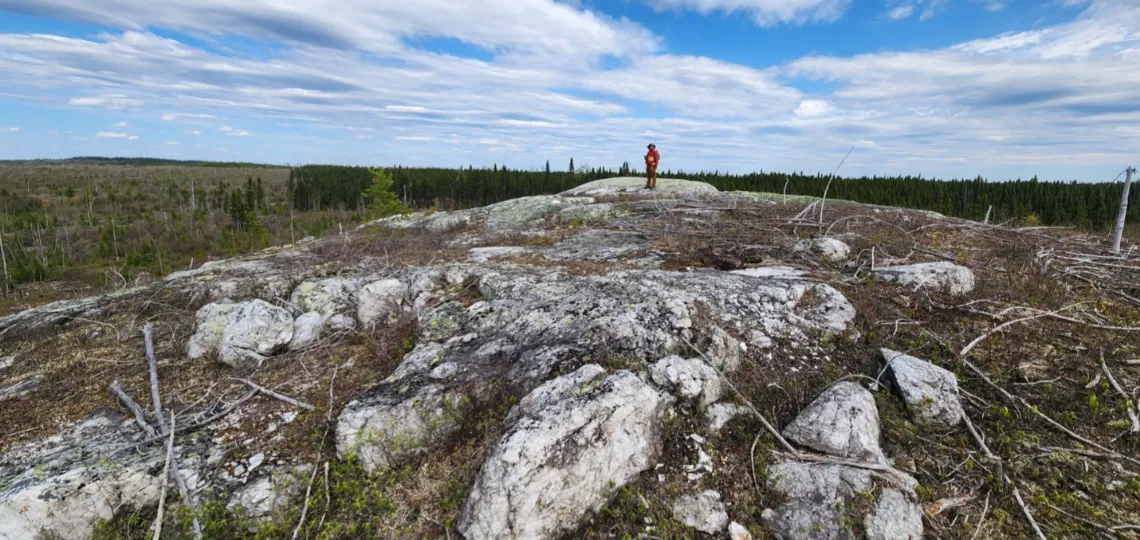
Canadian company Vision Lithium has completed a private placement of 14 mn flow-through shares totalling $209,000 to support its mineral exploration projects in Québec.
Woodbridge Ventures II Inc. signs definitive agreement with Greenflame Resources for a transformative merger, alongside a concurrent financing of up to $10mn.
Interceptions of ships linked to Venezuelan oil are increasing, pushing shipowners to suspend operations as PDVSA struggles to recover from a cyberattack that disrupted its logistical systems.
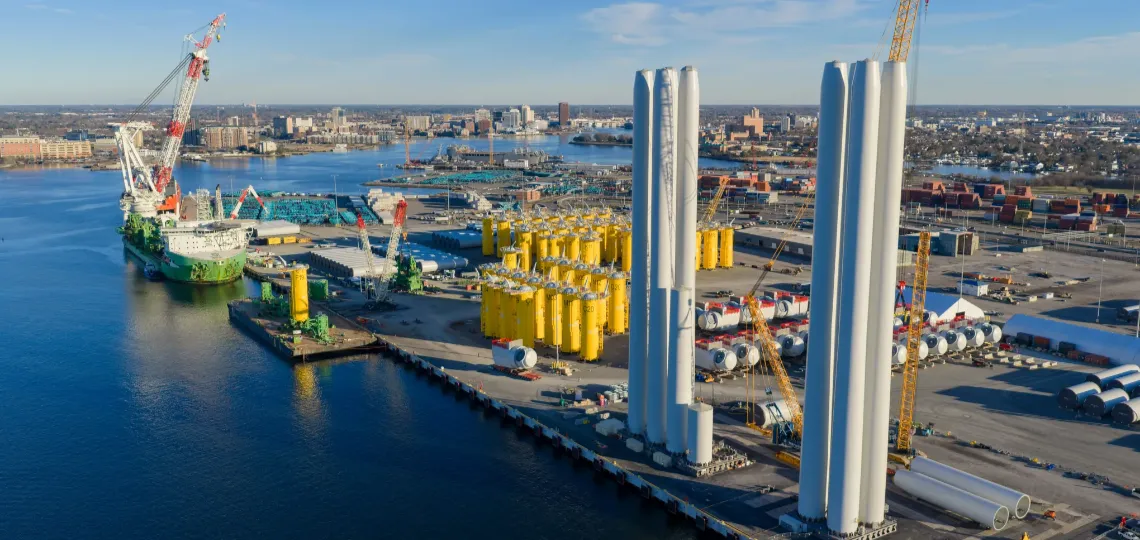
The Trump administration has ordered the immediate halt of five major offshore wind construction sites in the Atlantic, citing national security threats and drawing mixed reactions from industry and political circles.
French group Nexans initiates the sale of its Autoelectric subsidiary to India’s Motherson for €207mn ($227mn), marking its full exit from non-electrification activities.
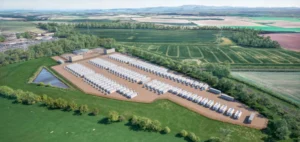
Matrix Renewables has signed a turnkey agreement with Tesla to develop a 1 GWh battery energy storage system in Scotland, marking its first standalone project of this kind in the UK.
Swedish group Orrön Energy is selling a portfolio of development-stage solar projects to Gülermak for up to €14mn, including an initial €0.7mn payment and additional milestone-based consideration.
The European Commission opens an in-depth investigation into Prague's public funding of a major nuclear project, which could reach €30bn ($32.88bn), with guaranteed revenues over forty years.
Bourbon enters a new strategic phase following the arrival of Davidson Kempner and Fortress, who have become majority shareholders after a financial restructuring approved by the French courts.
Harbour Energy acquires US offshore operator LLOG for $3.2bn, adding 271 million barrels in reserves and establishing a fifth operational hub in the Gulf of Mexico.
The Ministry of the Economy forecasts stable regulated tariffs in 2026 and 2027 for 19.75 million households, despite the removal of the Arenh mechanism and the implementation of a new tariff framework.
The federation of the electricity sector proposes a comprehensive plan to reduce dependence on fossil fuels by replacing their use in transport, industry and housing with locally produced electricity.
The agreement signed with Afreximbank marks a strategic shift for Heirs Energies, aiming to scale up its exploration and production operations on Nigeria's OML 17 oil block.
Oritsemeyiwa Eyesan’s appointment as head of Nigeria’s oil regulator marks a strategic shift as the country targets $10bn in upstream investment through regulatory reform and transparent licensing.
European Energy increases the capacity of its Måde Power-to-X site to 8.1 MW, with a new electrolyser in service and ongoing tests for commercial production in 2026.
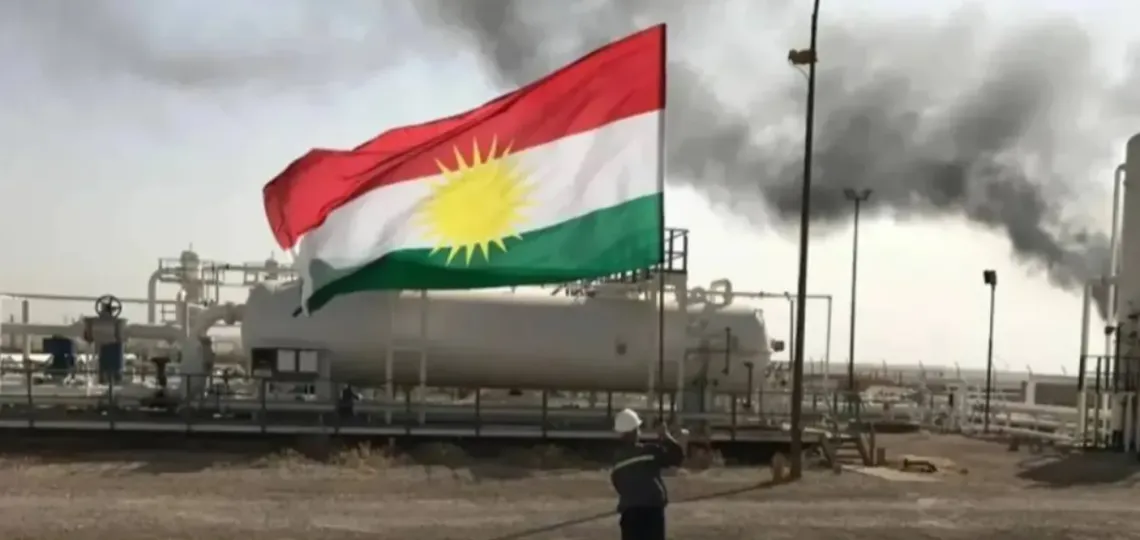
Baghdad states that all international companies operating in Kurdistan’s oil fields must transfer their production to state marketer SOMO, under the agreement signed with Erbil in September.
China's electricity market overhaul improves the profitability of energy storage, supporting a rapid increase in battery exports as global demand rises with data centres and power grids.
The Australian government will require up to 25% of gas extracted on the east coast to be reserved for the domestic market from 2027, in response to supply tensions and soaring prices.