Vattenfall launches a platform to reuse dismantled wind turbine components
Swedish energy group Vattenfall introduces “Rewind”, an interactive platform designed to commercially repurpose technical parts from dismantled wind turbines.
| Sectors | Wind Energy, Onshore |
|---|---|
| Themes | Innovation & Transformation, Sector Innovation |
Energy group Vattenfall has unveiled “Rewind”, a new digital tool aimed at organising the second life of technical components from decommissioned wind turbines. The platform was introduced at the Dutch Design Week 2025 as a solution for managing complex turbine materials, particularly those not addressed by conventional recycling systems.
Designed as a digital warehouse, “Rewind” enables professionals in construction, agriculture and e-mobility to identify reusable parts based on their technical specifications. The touchscreen interface, developed for easy navigation, provides access to a catalogue of components including gearboxes, generators, converters, composite panels and cooling systems.
Sectoral reallocation of parts
The applications are varied. In agriculture, steering mechanisms and hydraulic systems from turbines are repurposed as irrigation solutions. In the e-mobility sector, onboard electronics such as switches or external nacelle hoods can be transformed into electric vehicle charging stations. In construction, composite panels are adapted for infrastructure such as bus shelters or lightweight parking covers.
According to Vattenfall, more than 90% of materials used in a wind turbine – including steel, copper and electronic circuits – are already recycled or reused. A remaining 10% is made up of complex composite materials, whose handling poses a growing challenge for the industry.
A still marginal repurposing market
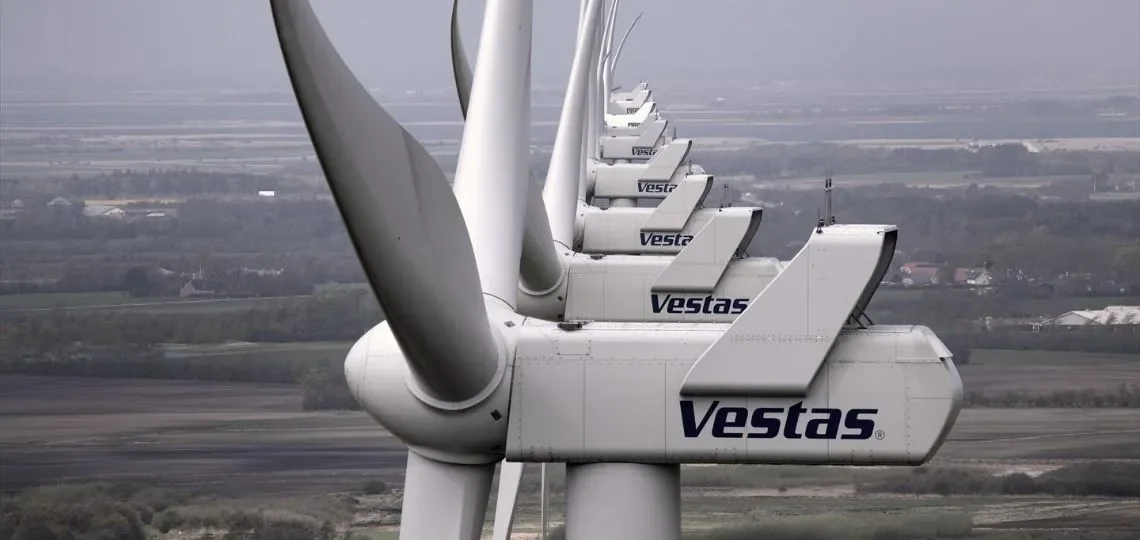
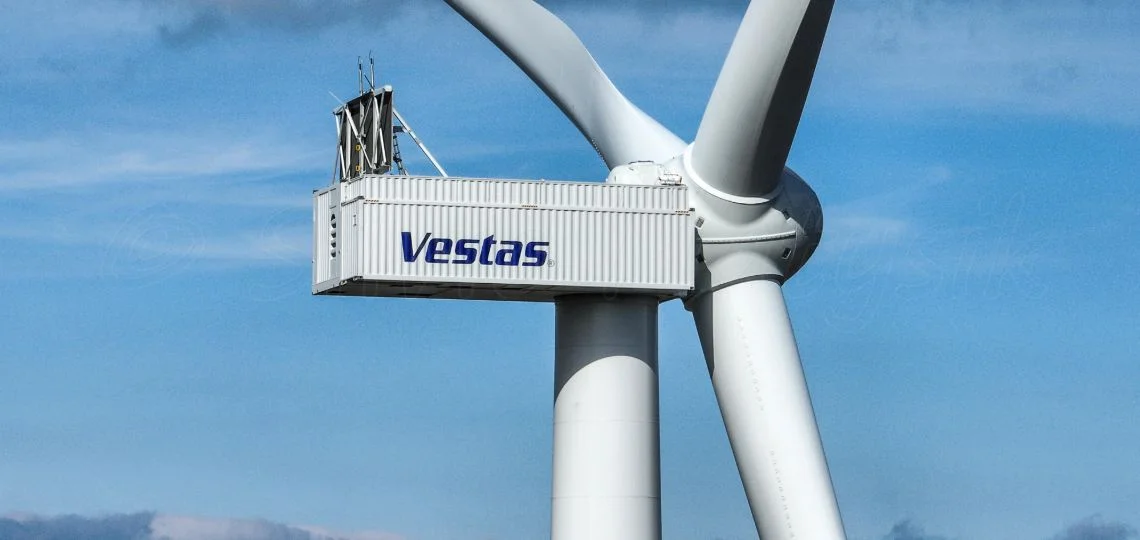
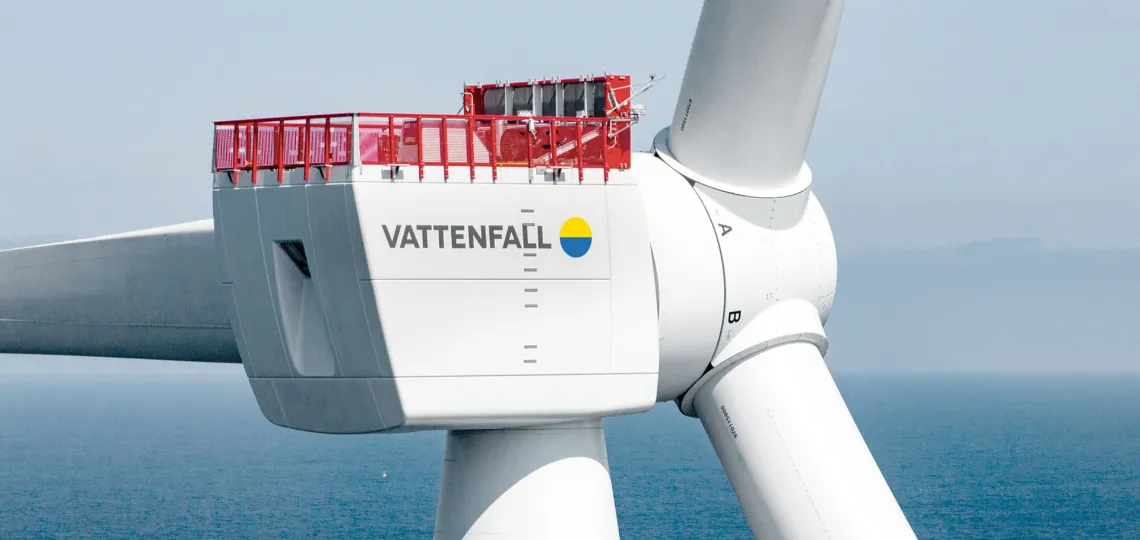
A single nacelle contains more than 10,000 technical components. These parts, originally designed for extreme environments, retain mechanical and structural properties that are valuable in other markets. The lifespan of a turbine blade can exceed 50 years under certain conditions, opening the door to extended usage cycles.
Vattenfall’s goal with “Rewind” is to structure access to these technical resources, which are often underutilised after wind farm decommissioning. The approach follows a logic of optimising industrial assets while creating a redistribution circuit accessible to multiple sectors.
“By opening a catalogue of second-hand parts that the outside world can source from, we are encouraging a shift in perspective,” said Thomas Hjort, Head of Offshore Wind Innovation at Vattenfall.