PLN secures 103 LNG cargoes for 2026 as Indonesia anchors its supply strategy

By mobilising long-term contracts with BP and new infrastructure, PLN is driving Indonesia’s shift toward prioritising domestic LNG use, at the centre of a state-backed investment programme supported by international lenders.

Share:

Comprehensive energy news coverage, updated nonstop

Annual subscription

8.25€/month*

*billed annually at 99€/year for the first year then 149,00€/year ​

Unlimited access • Archives included • Professional invoice

OTHER ACCESS OPTIONS

Monthly subscription

Unlimited access • Archives included

5.2€/month*
then 14.90€ per month thereafter

FREE ACCOUNT

3 articles offered per month

FREE

*Prices are excluding VAT, which may vary depending on your location or professional status

Since 2021: 35,000 articles • 150+ analyses per week

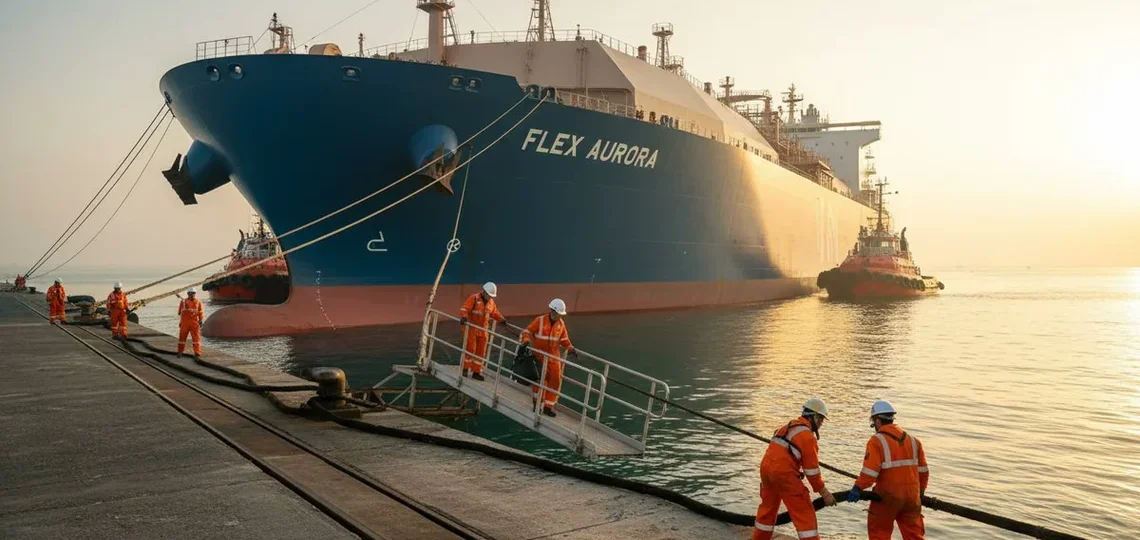
State-owned utility Perusahaan Listrik Negara (PLN) has secured 103 liquefied natural gas (LNG) cargoes for 2026, marking a structural shift in Indonesia’s energy strategy. This move, backed by public investment, aims to meet annual electricity demand growth of around 5.3 % while reducing reliance on coal and diesel.

A state-driven chain securing fuel supply

PLN operates within a centralised institutional framework that includes PLN Energi Primer Indonesia (EPI), Perusahaan Gas Negara (PGN), upstream regulator SKK Migas, and the Ministry of Energy and Mineral Resources (EMR). The ministry sets energy policy, while SKK Migas balances export requirements with domestic needs. The state also plays a key role in reallocating volumes to local buyers when shortages arise.

Infrastructure supported by international lenders

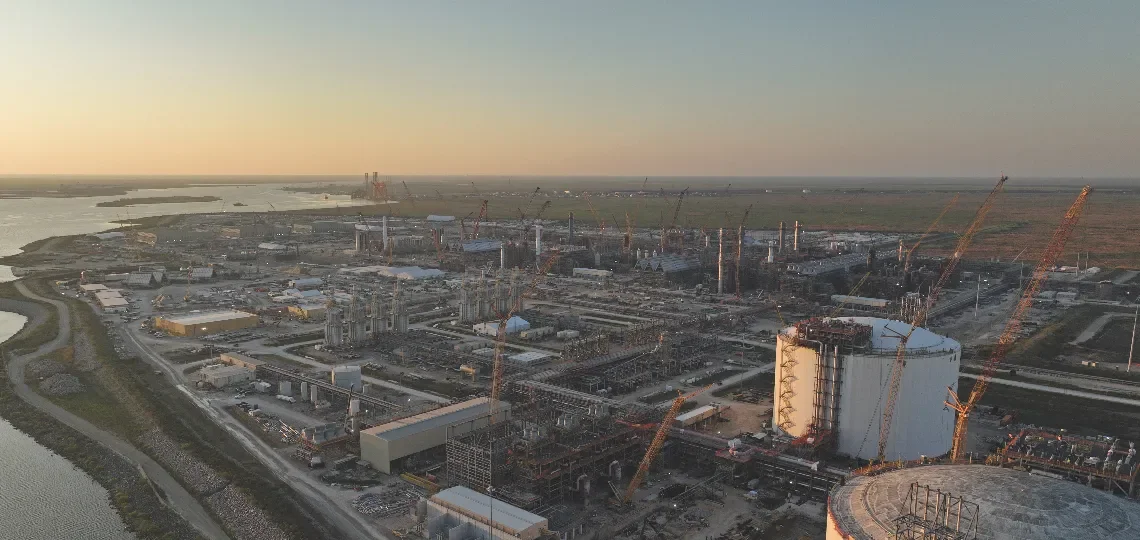
Development of import infrastructure, such as AG&P LNG terminals expected to go online in 2026, is part of a state-led investment strategy. PLN recently secured a $470mn loan from the Asian Development Bank to support this transition. Indonesia aims to build regional LNG distribution logistics, including a hub-and-spoke model for remote islands.

Export reductions and shift to domestic use

Declining pipeline gas volumes are prompting Indonesia to redirect LNG cargoes initially intended for export. At the same time, PLN’s diesel substitution programme for 41 power plants is increasing demand for domestic supply. This reallocation effort requires enhanced public planning to avoid electricity shortages.

PLN exposed to currency and price volatility

As PLN shifts from coal and diesel to LNG, it faces exposure to global price volatility. Some of the 103 cargoes are not secured under long-term contracts and will need to be sourced from the spot market. Meanwhile, electricity tariffs remain politically regulated, increasing pressure on financial stability and USD/IDR exchange risk.

State leverage in energy negotiations

This strategic shift strengthens Indonesia’s bargaining position with Singapore and Just Energy Transition Partnership (JETP) stakeholders. Domestic supply prioritisation becomes a key argument in ongoing negotiations for renewable energy financing and future energy mix planning.

Governance risks and contract transparency

Direct involvement of international financial institutions has increased pressure for transparency. PLN and PGN have previously faced scrutiny over governance issues, encouraging stricter due diligence on upcoming supply contracts. The government may be required to publish allocation criteria for the remaining cargoes in 2026.

Industrial prospects and public sector leadership

State planning is creating a favourable environment for new offshore gas development. PLN EPI could become the long-term anchor buyer for operators in the Andaman and Mako basins. This upstream structuring confirms LNG as a key pillar of energy security, pending full deployment of JETP-backed renewable projects.
GTT appoints François Michel as CEO starting January 5, separating governance roles after strong revenue and profit growth in 2024.
The United States is requesting a derogation from EU methane rules, citing the Union’s energy security needs and the technical limits of its liquefied natural gas export model.
Gasunie Netherlands and Gasunie Germany have selected six industrial suppliers under a European tender to supply pipelines for future natural gas, hydrogen and CO₂ networks.
The ban on Russian liquefied natural gas requires a legal re-evaluation of LNG contracts, where force majeure, change-in-law and logistical restrictions are now major sources of disputes and contractual repricing.
The US House adopts a reform that weakens state veto power over gas pipeline projects by strengthening the federal role of FERC and accelerating environmental permitting.
Morocco plans to commission its first liquefied natural gas terminal in Nador by 2027, built around a floating unit designed to strengthen national import capacity.
An explosion on December 10 on the Escravos–Lagos pipeline forced NNPC to suspend operations, disrupting a crucial network supplying gas to power stations in southwestern Nigeria.
At an international forum, Turkmenistan hosted several regional leaders to discuss commercial cooperation, with a strong focus on gas and alternative export corridors.
The Australian government has launched the opening of five offshore gas exploration blocks in the Otway Basin, highlighting a clear priority for southeast supply security amid risks of shortages by 2028, despite an ambitious official climate policy.
BlackRock sold 7.1% of Spanish company Naturgy for €1.7bn ($1.99bn) through an accelerated bookbuild managed by JPMorgan, reducing its stake to 11.42%.
The British company begins the initial production phase of Morocco's Tendrara gas field, activating a ten-year contract with Afriquia Gaz amid phased technical investments.
The Energy Information Administration revises its gas price estimates upward for late 2025 and early 2026, in response to strong consumption linked to a December cold snap.
Venture Global denies Shell’s claims of fraud in an LNG cargo arbitration and accuses the oil major of breaching arbitration confidentiality.
The Valera LNG carrier delivered a shipment of liquefied natural gas (LNG) from Portovaya, establishing a new energy route between Russia and China outside Western regulatory reach.
South Stream Transport B.V., operator of the offshore section of the TurkStream pipeline, has moved its headquarters from Rotterdam to Budapest to protect itself from further legal seizures amid ongoing sanctions and disputes linked to Ukraine.
US LNG exports are increasingly bypassing the Panama Canal in favour of Europe, seen as a more attractive market than Asia in terms of pricing, liquidity and logistical reliability.
Indian Oil Corporation has issued a tender for a spot LNG cargo to be delivered in January 2026 to Dahej, as Asian demand weakens and Western restrictions on Russian gas intensify.
McDermott has secured a major engineering, procurement, construction, installation and commissioning contract for a strategic subsea gas development offshore Brunei, strengthening its presence in the Asia-Pacific region.
The partnership between Fluor and JGC has handed over LNG Canada's second liquefaction unit, completing the first phase of the major gas project on Canada’s west coast.
Northern Oil and Gas and Infinity Natural Resources invest $1.2bn to acquire Utica gas and infrastructure assets in Ohio, strengthening NOG’s gas profile through vertical integration and high growth potential.

All the latest energy news, all the time

Annual subscription

8.25€/month*

*billed annually at 99€/year for the first year then 149,00€/year ​

Unlimited access - Archives included - Pro invoice

Monthly subscription

Unlimited access • Archives included

5.2€/month*
then 14.90€ per month thereafter

*Prices shown are exclusive of VAT, which may vary according to your location or professional status.

Since 2021: 30,000 articles - +150 analyses/week.