Shadow fleet renews tankers to bypass sanctions and operational risks
Faced with tighter legal frameworks and reinforced sanctions, grey fleet operators are turning to 15-year-old VLCCs and scrapping older vessels to secure oil routes to Asia.
| Sectors | Oil |
|---|---|
| Themes | Markets & Finance, Sector Analysis |
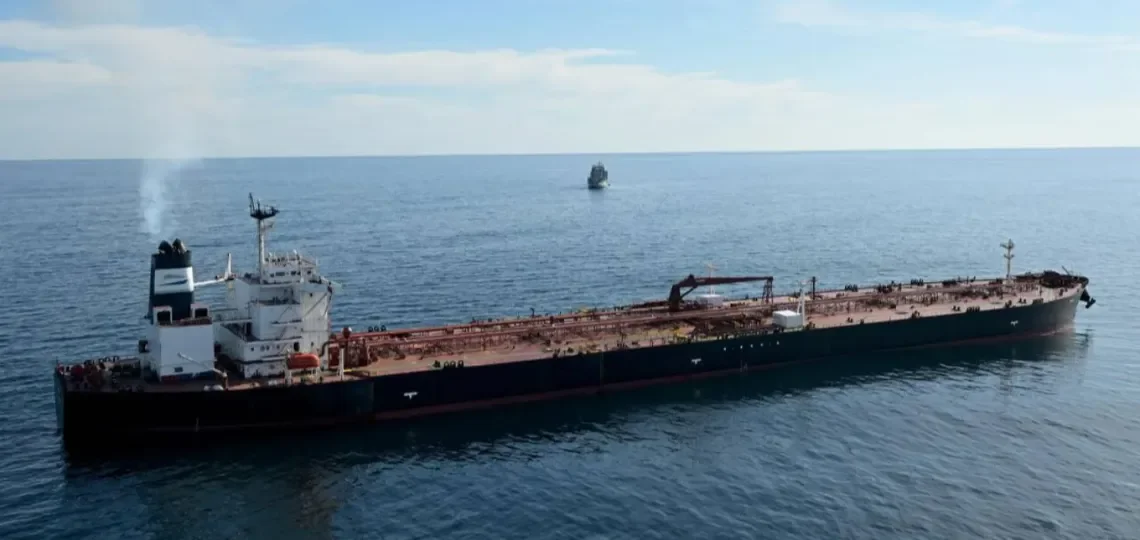
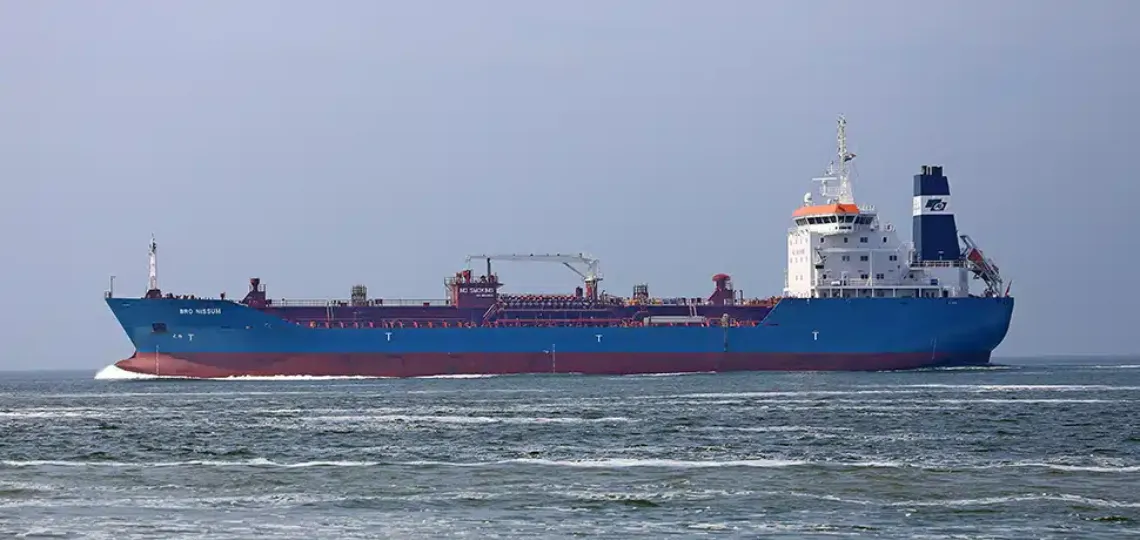
Entities linked to Russian, Iranian and Venezuelan oil exports are accelerating a targeted fleet renewal strategy. They are prioritising the purchase of Very Large Crude Carriers (VLCCs) around 15 years old while sending vessels older than 24 years for demolition. This approach aims to maintain sanctioned export flows while limiting technical and legal exposure to Western regulations.
Regulatory pressure and commercial arbitrage
The tightening of sanctions, including the blacklisting of Rosneft and Lukoil, has increased scrutiny of tankers involved in Russian flows. Simultaneously, the entry into force of the Hong Kong Convention on ship recycling, set for June 2025, introduces new standards for demolition yards in India, Bangladesh, Pakistan and Turkey. In this context, the partial fleet renewal meets the expectations of second-tier insurers, Asian ports and specific buyers, while preserving operational capacity.
Actors, vessels and resale circuits
VLCCs aged 15 to 20 years, cheaper than newer units but still economically viable for several years, are sold by independent shipowners based in Greece, the Middle East or Asia. These vessels are transferred to opaque structures via shell companies in Hong Kong, the Emirates or Caribbean jurisdictions. At the same time, older vessels are directed to Hong Kong Convention-compliant yards, with increased caution to avoid secondary sanctions.
Market impact on pricing and logistics chains
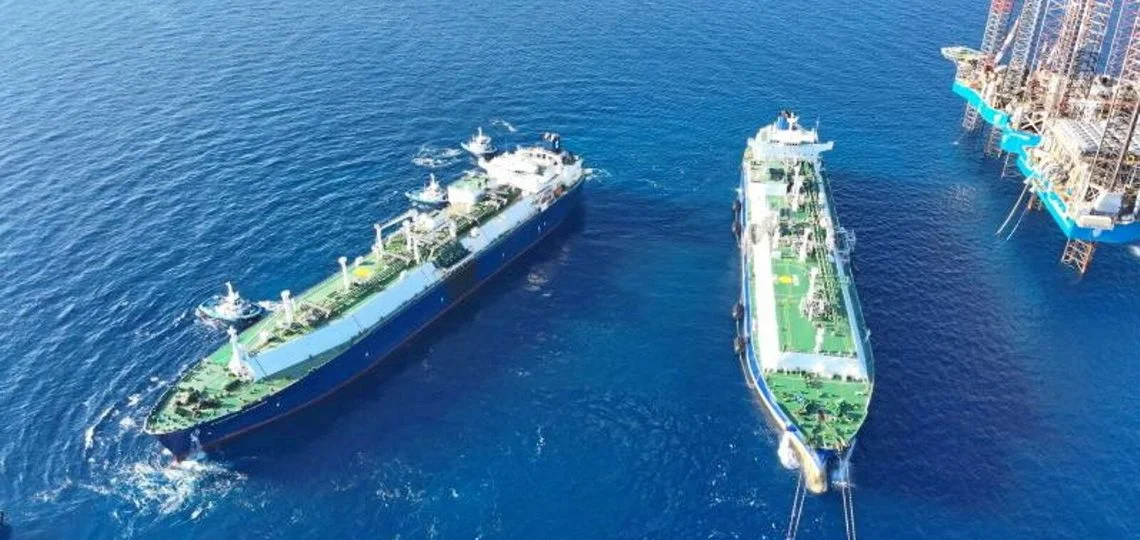
Strong demand for 15-year-old tankers is sustaining elevated second-hand market prices. This squeeze limits availability for conventional operators, particularly on marginal routes. Asian refiners must contend with extended delivery times and higher logistical costs due to indirect routes and multiple Ship-to-Ship (STS) transfers aimed at avoiding inspection zones.
Financial implications and maritime compliance
The risk profile of second-hand vessel transactions is shifting rapidly. European and Japanese banks are pulling back, prompting buyers to turn to private, often unregulated funding sources. Meanwhile, demolition yards must enhance their compliance procedures to avoid sanctions risks. This creates new demand for specialised maritime due diligence services such as Know Your Customer (KYC) screening.
Resilience of flows despite sanctions
The sustained export volumes from Russia, Iran and Venezuela, despite growing restrictions, confirm the resilience of the shadow fleet. The pivot to Asia, combined with more selective management of vessel age and traceability, allows continued market access while anticipating further Western measures targeting the ships themselves, alternative insurers, and flags of convenience.