Symbio to cut 350 jobs after Stellantis strategic withdrawal
The withdrawal of Stellantis weakens Symbio, which is forced to drastically reduce its workforce at the Saint-Fons plant, despite significant industrial investment backed by both public and private stakeholders.
| Sectors | Hydrogen Energy, Electrolysis |
|---|---|
| Themes | Investments & Transactions, Financing, Project Development |
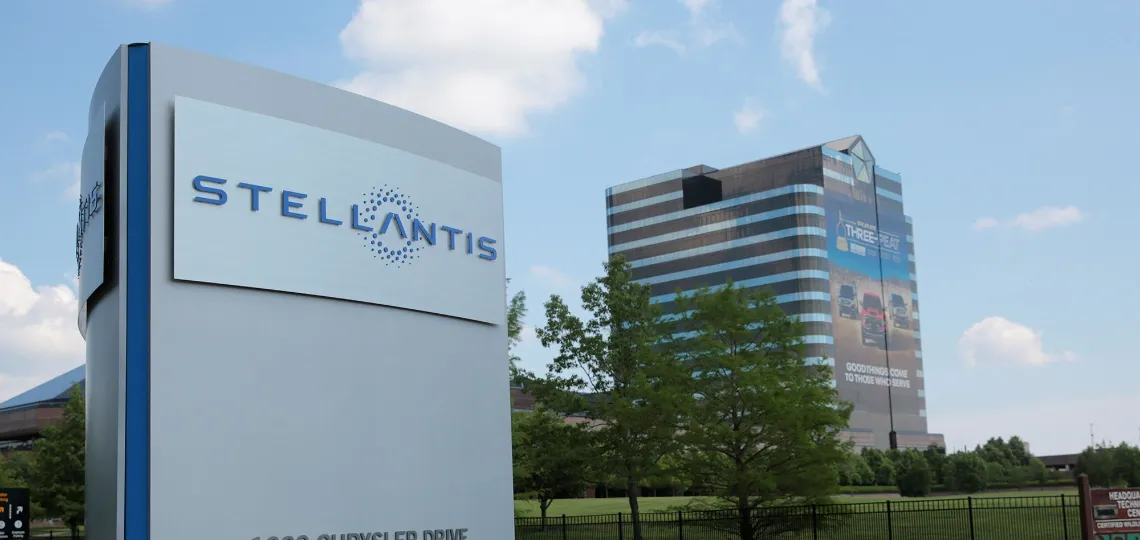
Hydrogen fuel cell manufacturer Symbio has announced a nearly 70% reduction in workforce at its production site in Saint-Fons, near Lyon. The move, affecting more than 350 out of 530 jobs, follows the withdrawal of its shareholder Stellantis, which no longer plans to place firm orders for hydrogen-powered vehicles.
Symbio is a joint venture equally owned by Michelin, Forvia and Stellantis. The social plan was presented to employee representatives, who denounced a project of “rare social severity” within their industry. The group justifies the restructuring as necessary to “resize” operations in order to ensure business continuity, while maintaining 175 jobs.
A strategic plant weakened by a key client’s withdrawal
The Saint-Fons plant, inaugurated in December 2023, was expected to produce up to 50,000 hydrogen fuel cells annually by 2026. Symbio relied heavily on demand from Stellantis, which was projected to account for about 80% of its output. The automaker’s withdrawal ends this industrial outlook.
The French government invested EUR600mn ($648mn) as part of a European subsidy programme, aiming to boost the hydrogen sector. Symbio’s management now states it is entering a “major” restructuring phase, made inevitable by the loss of a critical commercial partner.
An economic model under pressure
Stellantis cited a lack of medium-term profitability prospects, estimating the cost of exiting the programme at EUR700mn ($759mn). Symbio’s employee representatives criticised the lack of consultation, highlighting a gap between the financial capacity of shareholders and the support measures offered.
According to management, a refinancing agreement was reached in late November, although no financial details have been disclosed. Employees remain uncertain about the social plan’s terms and the site’s future.
A struggling sector in the automotive industry
Hydrogen technology, once seen as an alternative to electric batteries, has failed to take hold in the strategies of major carmakers. Renault shut down its hydrogen utility vehicle plant in Flins earlier this year. Only a few players such as Toyota, Hyundai and BMW continue limited development programmes in this field.
Challenges related to production costs, limited distribution infrastructure and the need for low-cost energy continue to hamper industrial rollout. Despite technical advantages, the economic model remains uncertain for companies in the sector.