Mori Building completes three hybrid solar plants through PPA structured with TEPCO
Mori Building has completed three solar-plus-storage plants in Japan to supply its real estate assets through an intra-group partnership structured by TEPCO Energy Partner.
| Sectors | Solar Energy, Photovoltaic, Energy Storage |
|---|---|
| Themes | Investments & Transactions, Contracts |
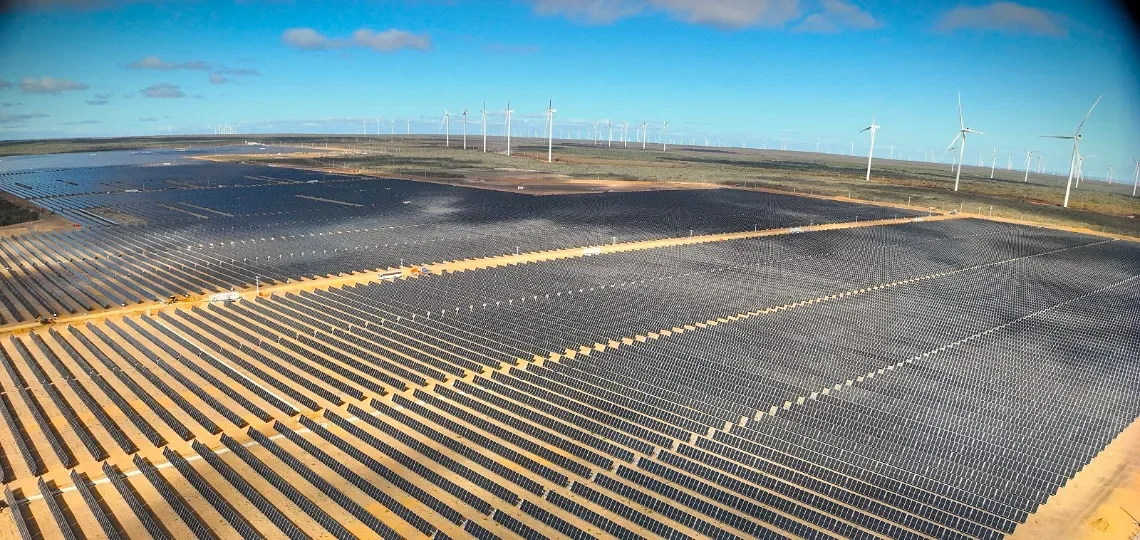
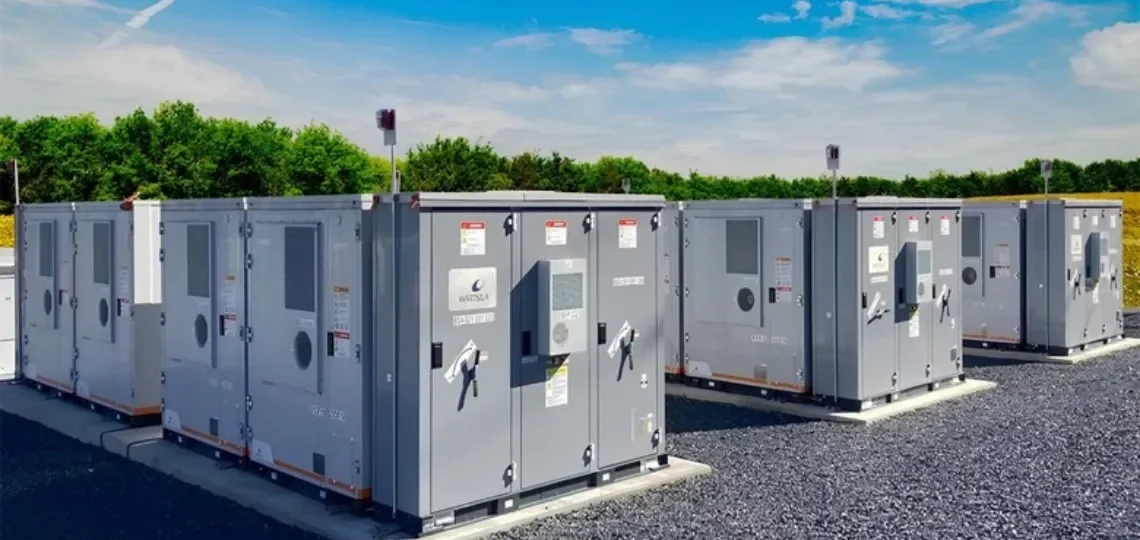
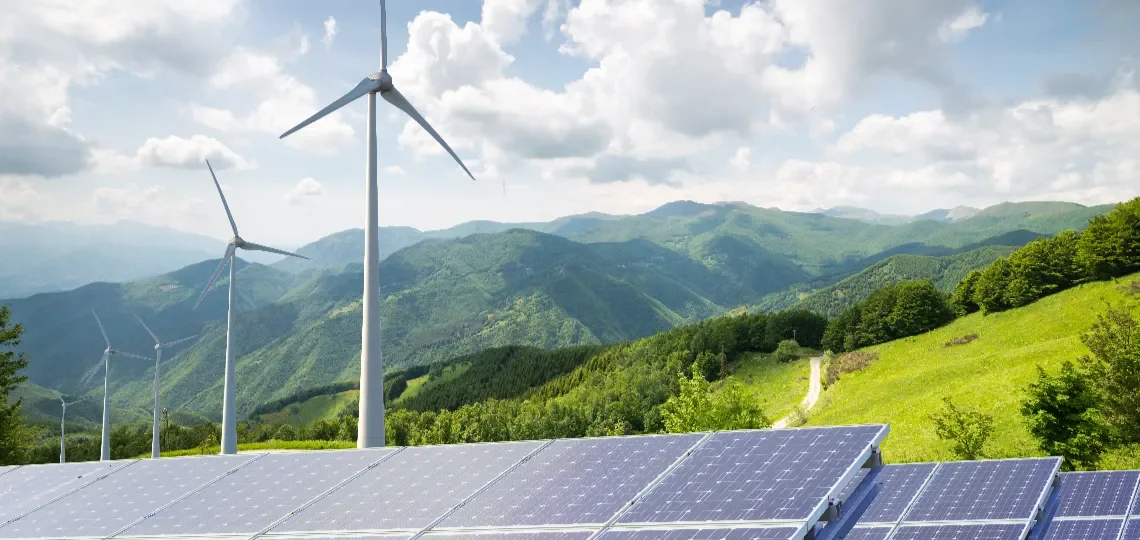
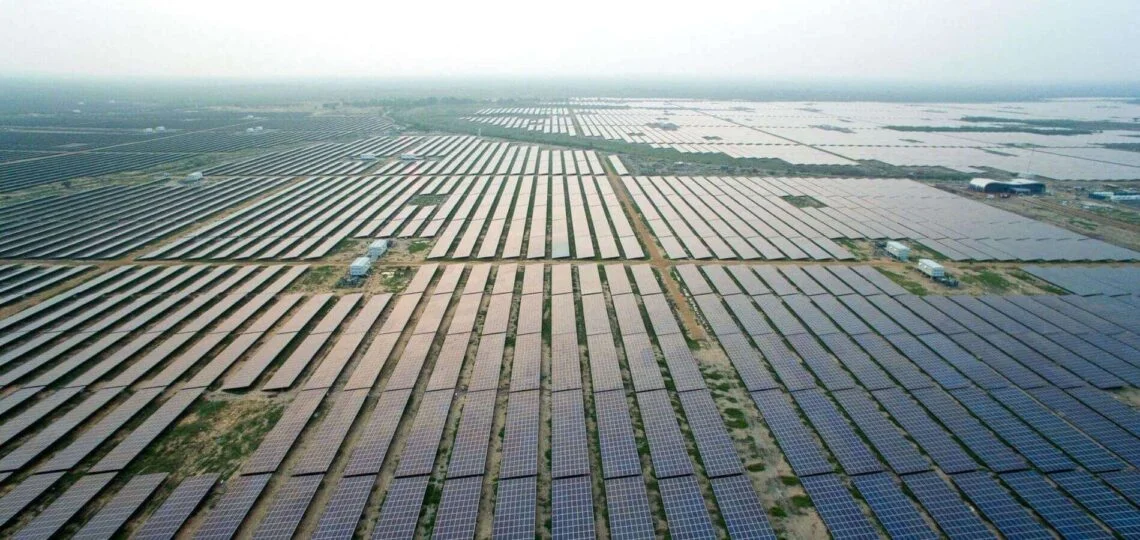
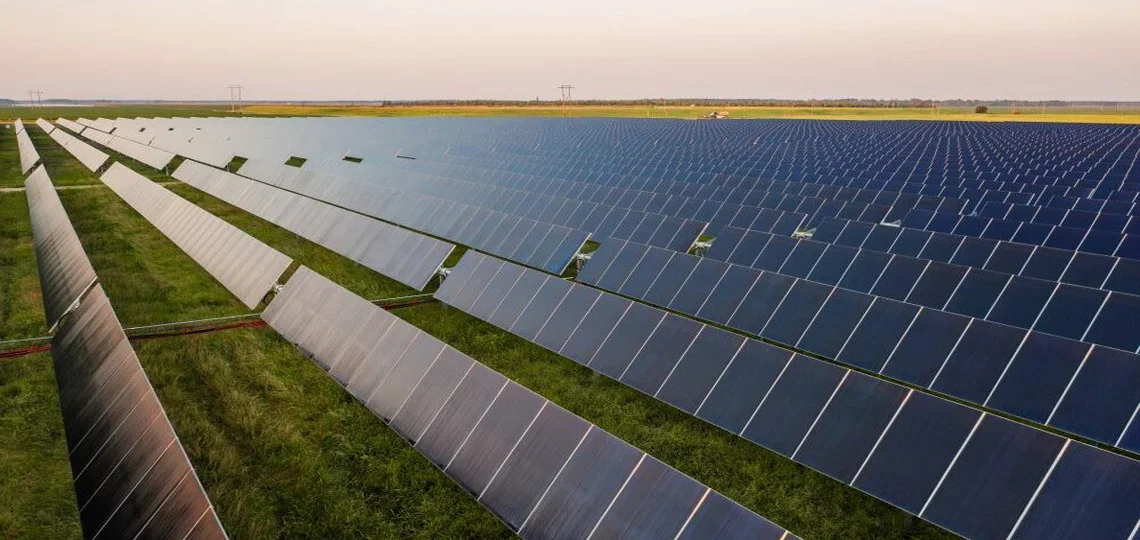
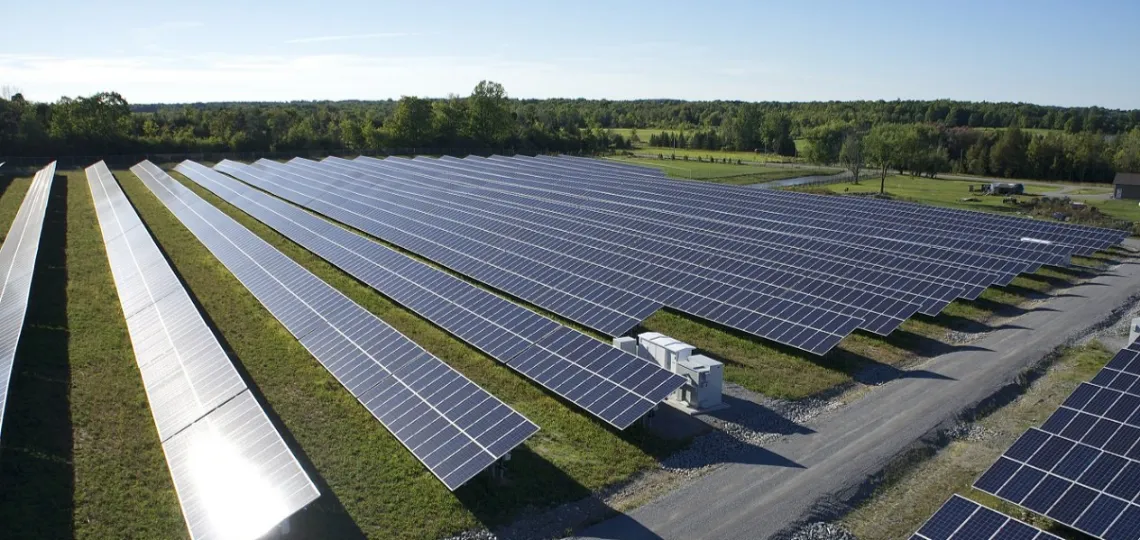
Tokyo-based real estate developer Mori Building has completed the construction of three hybrid solar power plants in the Tokyo TSO service area. These facilities, combining 7.2MWDC of generation capacity with 11MWh of storage, will operate under an intra-group Power Purchase Agreement (PPA) structured by TEPCO Energy Partner, a subsidiary of Tokyo Electric Power Company.
An internal partnership model for energy supply
The plants are located in Tochigi Prefecture for one site, and in Hitachi City, Ibaraki Prefecture for the other two. Commissioning is scheduled to begin in phases from January 2026. Once fully operational, the plants are expected to generate approximately 10GWh annually. The electricity produced will be delivered to buildings operated by Mori Building, including the Toranomon Hills Mori Tower, via a sleeved supply mechanism managed by TEPCO Energy Partner. Additional renewable power from other sources under contract will also be included.
Turnkey contract awarded to Ecokaku
The development and construction were carried out by Japanese firm Ecokaku under a turnkey Engineering, Procurement and Construction (EPC) contract worth approximately JPY2bn ($13.2mn). These projects are designed for direct internal use by Mori Building, bypassing wholesale markets through a structured energy partnership between group entities.
Previous agrivoltaic project collaboration
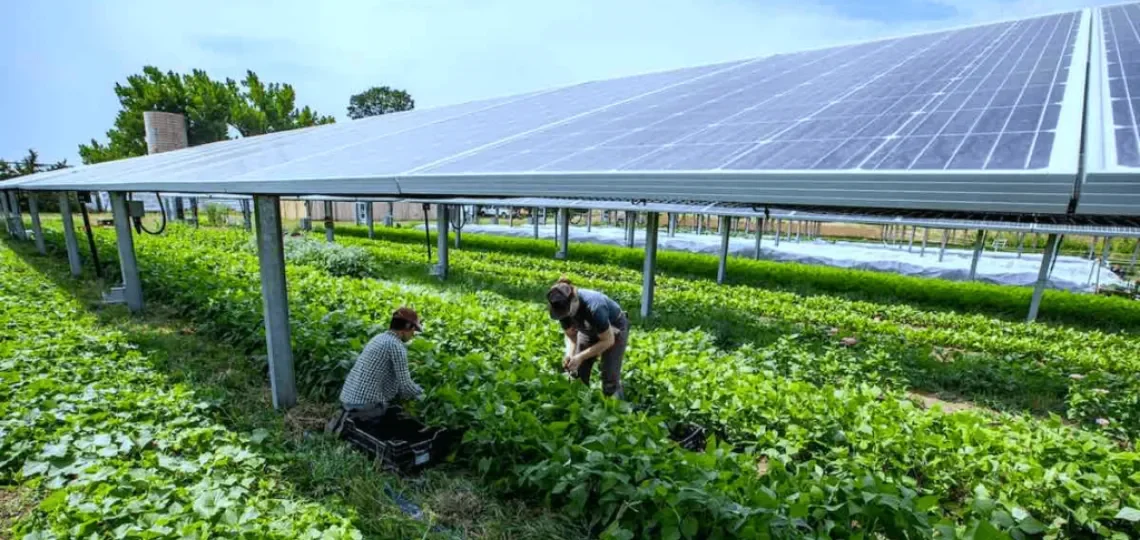
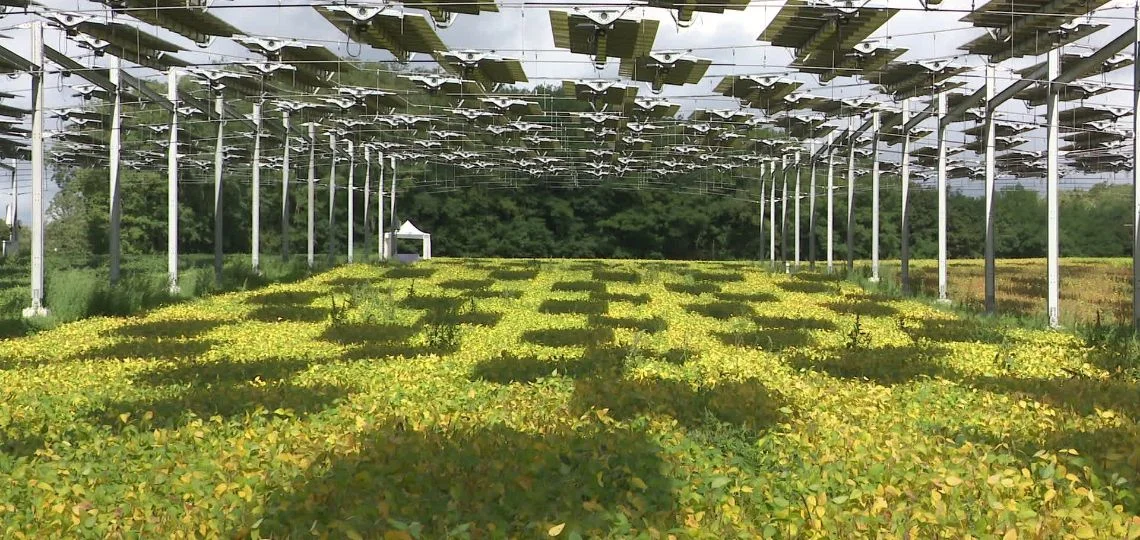
Mori Building had previously partnered with Ecokaku on the construction of six agrivoltaic solar power plants, with a combined capacity of 12MWDC, also located in the Tokyo TSO area. These units were similarly integrated into an intra-group PPA framework, reflecting a sustained collaboration between the two companies.
Developed outside public subsidy regimes
Unlike the majority of hybrid projects in Japan—often retrofits of existing assets under the Feed-in Tariff (FIT) scheme and converted to the Feed-in Premium (FIP) system—these three facilities were purpose-built for independent operation without subsidies. This approach reflects a trend toward direct structuring of energy partnerships within corporate groups.