Canadian company NG Energy finalises the sale of 40% of its stake in the Sinú-9 block to Maurel & Prom for $150mn, consolidating a joint venture on one of Colombia's largest gas fields.
Unit 2 of the Zhangzhou nuclear power plant, in Fujian province, has officially begun commercial operation after successfully completing all commissioning tests.
The group of major oil producers extends its stability strategy despite a drop in prices of more than 18% in 2025 and projected supply surplus for the coming year.
Amid Venezuela’s political transition, the African Energy Chamber urges international players to prioritise stability to secure oil investment and restore national production.
The Libya Energy & Economic Summit 2026 will host five leaders from the legal and advisory sectors to support the opening of the national oil market and strengthen regional cooperation.
Norwegian group Borr Drilling has announced two contractual commitments for its Ran and Odin rigs, extending its activities in the Americas through 2027.
Falcon Oil & Gas has secured shareholder approval to sell its majority stake in its Australian subsidiary to Tamboran group, clearing a key hurdle in a broader divestment transaction.
SolarMax Technology has signed two engineering, procurement and construction contracts for 400 MWh energy storage projects in Puerto Rico, with expected revenues totalling $158.3mn.
Lane42 Investment Partners has completed the acquisition of Aqua Terra Permian, a wastewater infrastructure operator in the Permian Basin, aiming to expand its footprint in strategic midstream services.
Quantum Capital Group sells nearly 90% of Cogentrix assets to Vistra for $4.7bn, marking a strategic repositioning of gas-fired assets in the United States.
Plains All American Pipeline and Plains GP Holdings announce a 10% increase in quarterly distributions ahead of their fourth quarter 2025 financial results release.
Vital Energy has completed a strategic land acquisition in western Alberta, increasing its regional exposure to nine sections and supporting its development outlook in the Charlie Lake reservoir.
Italy’s competition authority is reviewing A2A’s electric vehicle charging activities amid increased scrutiny of strategic mobility infrastructure and the enforcement of European Union competition rules.
Brent crude fell to its lowest level since 2021, as persistent oversupply throughout 2025 weighed on prices despite isolated geopolitical tensions and China’s strategic stockpiling.
Work has begun at the Bailong and Lufeng sites with concrete poured for the nuclear islands, marking the start of construction for two CAP1000 reactors.
Eni and Repsol are facing difficulties recovering payments for gas deliveries to Venezuela, with an outstanding balance of $6bn and no clear engagement from U.S. authorities on the matter.
India’s crude imports from Russia could hit an eighteen-month low as Reliance Industries anticipates no shipments in January due to logistical and commercial disruptions.
French group Orano receives USD900mn in public support to establish a new uranium enrichment facility in Tennessee, as part of a broader US nuclear sector revival plan.
Japan’s nuclear restart effort stalls after Chubu Electric acknowledged a possibly flawed seismic risk estimate at its Hamaoka facility under regulatory review.
Indian group JSW Energy launches a combined promoter injection and institutional raise totalling $1.19bn, while appointing a new Chief Financial Officer to support its expansion plan through 2030.
Singapore’s Sembcorp Industries has entered the Australian energy market with the acquisition of Alinta Energy in a deal valued at AU$6.5bn ($4.3bn), including debt.
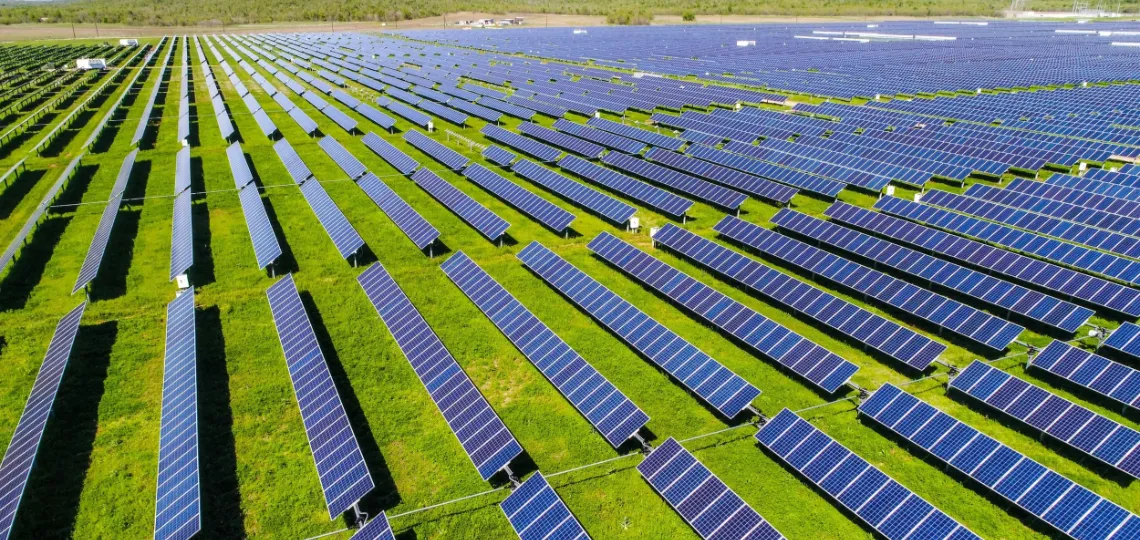
Potentia Energy has secured $553mn in financing to optimise its operational renewable assets and support the delivery of six new projects totalling over 600 MW of capacity across Australia.
Drax plans to convert its 1,000-acre site in Yorkshire into a data centre by 2027, repurposing former coal infrastructure and existing grid connections.
EDF has inaugurated a synchronous compensator in Guadeloupe to enhance the stability of an isolated power grid, an unprecedented initiative aiming to reduce dependence on thermal plants and the risk of prolonged outages.
NGE and the Agence Régionale Énergie Climat Occitanie form a partnership to develop a heating and cooling network designed to support economic activity in the Magna Porta zone, with locally integrated production solutions.
The American oil group now plans to invest $20 billion in low-emission technologies by 2030, down from the $30 billion initially announced one year earlier.
BHP sells a minority stake in its Western Australia Iron Ore power network to Global Infrastructure Partners for $2 billion, retaining strategic control while securing long-term funding for its mining expansion.
More than $80bn in overseas cleantech investments in one year reveal China’s strategy to export solar and battery overcapacity while bypassing Western trade barriers by establishing industrial operations across the Global South.
Exxaro increases its energy portfolio in South Africa with new wind and solar assets to secure power supply for operations and expand its role in independent generation.
Plenitude acquires full ownership of ACEA Energia for up to €587mn, adding 1.4 million customers to its portfolio and reaching its European commercial target ahead of schedule.
Enbridge has announced a 3% increase in its annual dividend for 2026 and expects steady revenue growth, with up to CAD20.8bn ($15.2bn) in EBITDA and CAD10bn ($7.3bn) in capital investment.
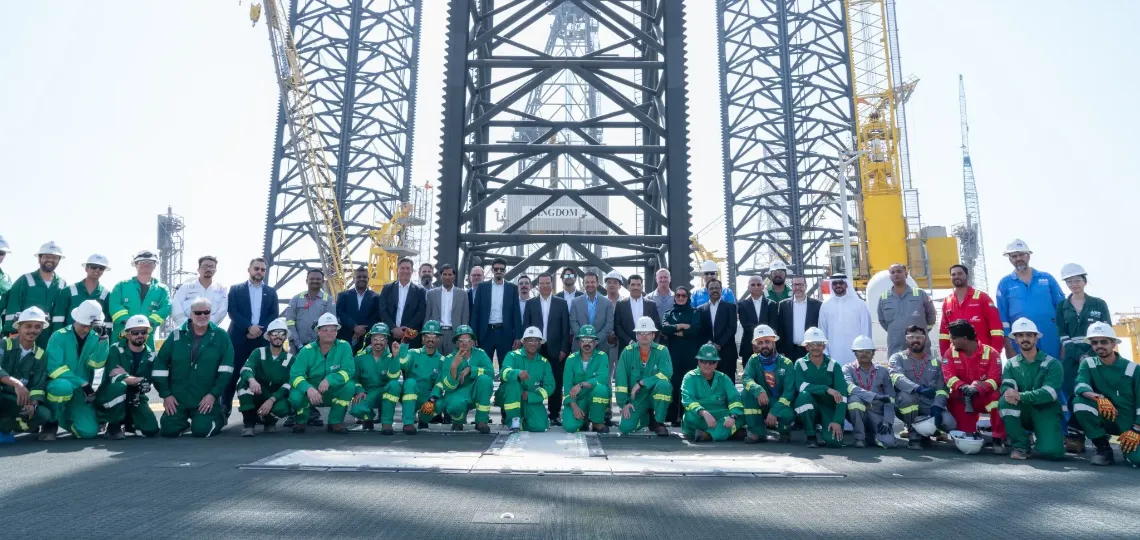
Axess Group has signed a memorandum of understanding with ARO Drilling to deliver asset integrity management services across its fleet, integrating digital technologies to optimise operations.
South African state utility Eskom expects a second consecutive year of profit, supported by tariff increases, lower debt levels and improved operations.
Equans Process Solutions brings together its expertise to support highly technical industrial sectors with an integrated offer covering the entire project lifecycle in France and abroad.
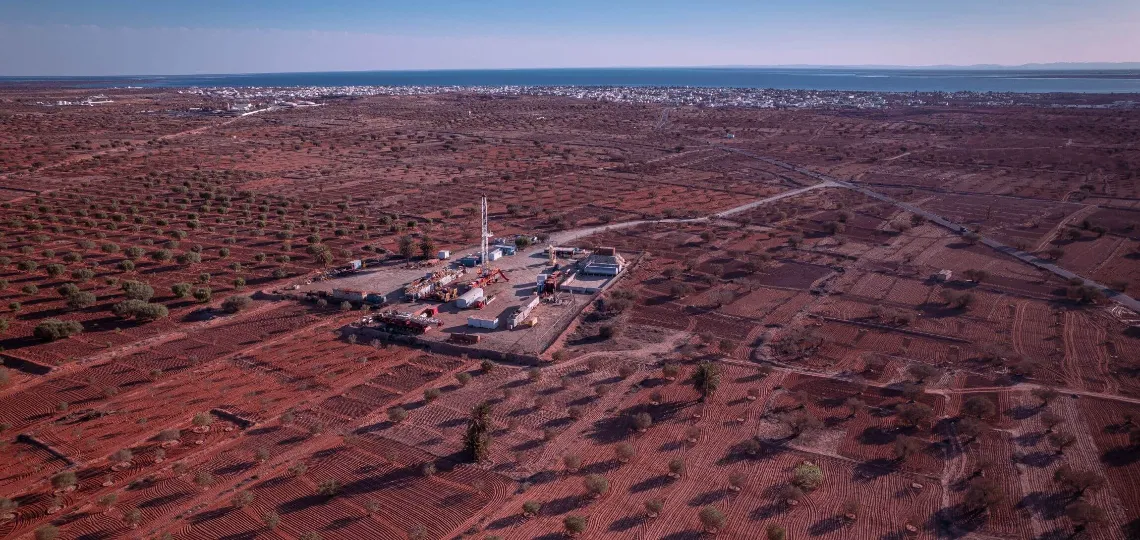
Zenith Energy centres its strategy on a $572.65mn ICSID claim against Tunisia, an Italian solar portfolio and uranium permits, amid financial strain and reliance on capital markets.
Ivanhoe Mines expects a 67% increase in electricity consumption at its copper mine in DRC, supported by new hydroelectric, solar and imported supply sources.
Q ENERGY France and the Association of Rural Mayors of France have entered a strategic partnership to develop local electrification and support France's energy sovereignty through rural territories.