NextDecade initiates FERC process for Train 6 at Rio Grande LNG

NextDecade has launched the pre-filing procedure to expand Rio Grande LNG with a sixth train, leveraging a political and commercial context favourable to US liquefied natural gas exports.
Share:

Comprehensive energy news coverage, updated nonstop

Annual subscription

8.25$/month*

*billed annually at 99$/year for the first year then 149,00$/year ​

Unlimited access • Archives included • Professional invoice

OTHER ACCESS OPTIONS

Monthly subscription

Unlimited access • Archives included

5.2$/month*
then 14.90$ per month thereafter

FREE ACCOUNT

3 articles offered per month

FREE

*Prices are excluding VAT, which may vary depending on your location or professional status

Since 2021: 35,000 articles • 150+ analyses per week

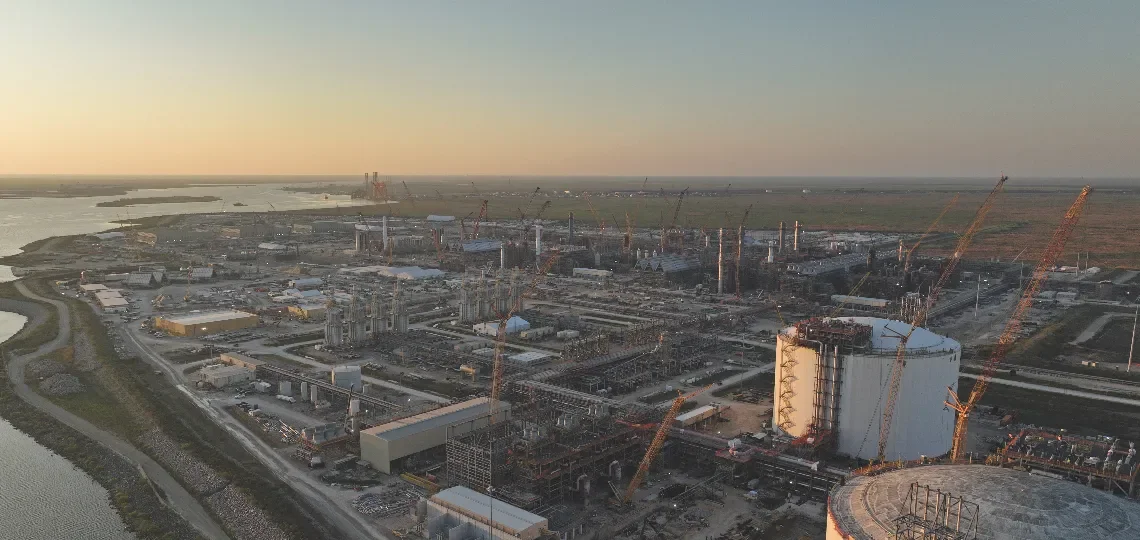
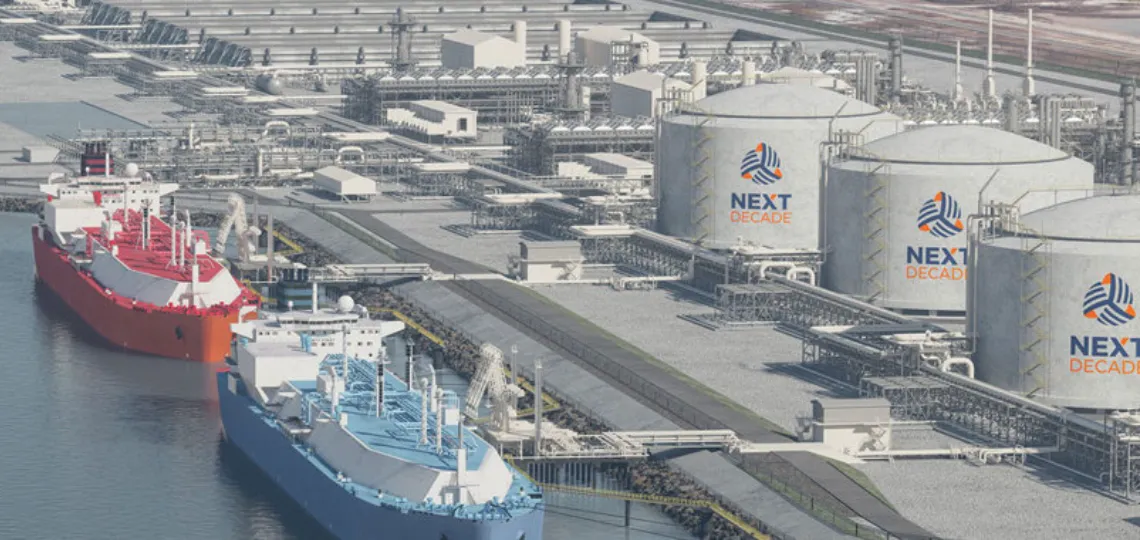
NextDecade has officially initiated a pre-filing process with the Federal Energy Regulatory Commission (FERC) for the development of a sixth liquefaction train at its Rio Grande LNG terminal, located in Brownsville, Texas. This preliminary submission also includes a request for a second export berth and comes as the site is already expanding toward a 27 million tonnes per annum (MTPA) capacity through its first five trains.

Regulatory framework and market dynamics

The current US administration lifted earlier this year the suspension on liquefied natural gas export authorisations to non-free trade agreement countries, paving the way for project expansion. This regulatory shift secures NextDecade’s long-term strategy, amid global supply chain reconfiguration triggered by sanctions targeting Russian gas.

The Rio Grande LNG site received FERC authorisation in 2019 for its first five trains. Despite several legal challenges over the project’s environmental impact, US courts upheld the original permits in 2025. The Train 6 filing aims to build on this existing regulatory framework while preparing for future Commission requirements.

Strategic shareholding and contracting

NextDecade structured the project around a consortium including Abu Dhabi National Oil Company (ADNOC), TotalEnergies and Global Infrastructure Partners (GIP), participating both in train equity and long-term offtake agreements. Train 4 was fully funded for $1.8bn, with a structure allowing GIP to hold up to 50% of the asset.

Commercially, the project relies on long-term offtake contracts with investment-grade counterparties. Significant volumes have already been contracted by ADNOC, Aramco, TotalEnergies, JERA, EQT and ConocoPhillips, reducing commercial uncertainties for Train 5 and laying groundwork for Train 6.

Industrial optimisation and financial outlook

The development of Train 6 follows a logic of integrated site operation, leveraging existing infrastructure such as tanks, port facilities and pipeline connections. This setup enables a lower marginal cost per tonne produced and improves logistics efficiency for exports.

By structuring each train as a distinct financial entity, NextDecade enhances cash flow transparency and attracts dedicated financing while managing risks associated with scaling. This strategy could strengthen the company’s long-term valuation and appeal to infrastructure-focused energy investors.

Risk factors and timeline

The FERC pre-filing process opens a regulatory consultation phase addressing environmental issues, particularly the cumulative impacts alongside the first five trains. Local organisations have already raised concerns about the absence of a carbon capture system, a point that could fuel additional legal challenges in the coming months.

NextDecade expects to submit a complete application to FERC in 2026. If regulatory timelines are met, Train 6 could enter service around 2030, aligning with a projected surge in non-Russian LNG demand across Europe and Asia.
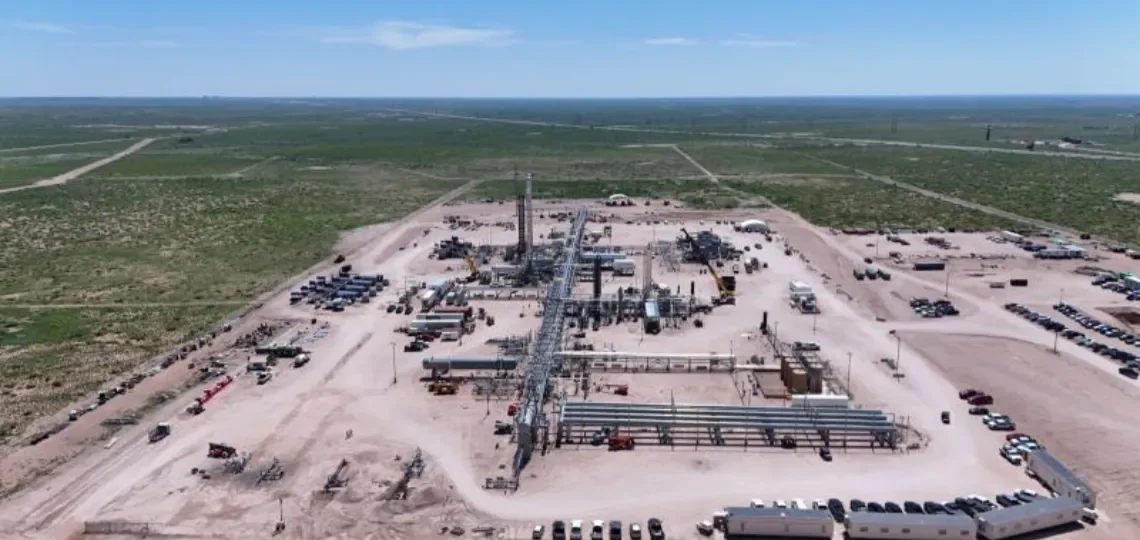
Falling rig counts and surging natural gas demand are reshaping the Lower 48 energy landscape, fuelling a rebound in gas-focused mergers and acquisitions.
The Nigerian government has approved a payment of NGN185bn ($128 million) to settle debts owed to gas producers, aiming to secure electricity supply and attract new investments in the energy sector.
Riley Exploration Permian has finalised the sale of its Dovetail Midstream entity to Targa Northern Delaware for $111 million, with an additional conditional payment of up to $60 million. The deal also includes a future transfer of equipment for $10 million.
Stanwell has secured an exclusive agreement with Quinbrook for the development of the Gladstone SDA Energy Hub, combining gas turbines and long-duration battery storage to support Queensland’s electricity grid stability.
The growth of US liquefied natural gas exports could slow if rising domestic costs continue to squeeze margins, as new volumes hit an already saturated global market.
Turkmenistan is leveraging the Global Gas Centre to build commercial links in Europe and South Asia, as it responds to its current dependence on China and a shifting post-Russian gas market.
The Marmara Ereğlisi liquefied natural gas (LNG) terminal operated by BOTAŞ is increasing its regasification capacity, consolidating Türkiye’s role as a regional player in gas redistribution toward the Balkans and Southeast Europe.
Budapest contests the European agreement to ban Russian natural gas imports by 2027, claiming the measure is incompatible with its economic interests and the European Union's founding treaties.
The European Union has enshrined in law a complete ban on Russian gas by 2027, forcing utilities, operators, traders and states to restructure contracts, physical flows and supply strategies under strict regulatory pressure.
The partial exploitation of associated gas from the Badila field by Perenco supplies electricity to Moundou, highlighting the logistical and financial challenges of gas development in Chad.
A new regulation requires gas companies to declare the origin, volume and duration of their contracts, as the EU prepares to end Russian imports.
Saudi Aramco has launched production at the unconventional Jafurah gas field, initiating an investment plan exceeding $100bn to substitute domestic crude and increase exportable flows under OPEC+ constraints.
By mobilising long-term contracts with BP and new infrastructure, PLN is driving Indonesia’s shift toward prioritising domestic LNG use, at the centre of a state-backed investment programme supported by international lenders.
TotalEnergies, TES and three Japanese companies will develop an industrial-scale e-gas facility in the United States, targeting 250 MW capacity and 75,000 tonnes of annual output by 2030.
Argentinian consortium Southern Energy will supply up to two million tonnes of LNG per year to Germany’s Sefe, marking the first South American alliance for the European importer.
The UK government has ended its financial support for TotalEnergies' liquefied natural gas project in Mozambique, citing increased risks and a lack of national interest in continuing its involvement.
Faced with a climate- and geopolitically-constrained winter, Beijing announces expected record demand for electricity and gas, placing coal, LNG and UHV grids at the centre of a national energy stress test.
The Iraqi government and Kurdish authorities have launched an investigation into the drone attack targeting the Khor Mor gas field, which halted production and caused widespread electricity outages.
PetroChina internalises three major gas storage sites through two joint ventures with PipeChina, representing 11 Gm³ of capacity, in a CNY40.02bn ($5.43bn) deal consolidating control over its domestic gas network.
The European Union is facilitating the use of force majeure to exit Russian gas contracts by 2028, a risky strategy for companies still bound by strict legal clauses.

All the latest energy news, all the time

Annual subscription

8.25$/month*

*billed annually at 99$/year for the first year then 149,00$/year ​

Unlimited access - Archives included - Pro invoice

Monthly subscription

Unlimited access • Archives included

5.2$/month*
then 14.90$ per month thereafter

*Prices shown are exclusive of VAT, which may vary according to your location or professional status.

Since 2021: 30,000 articles - +150 analyses/week.