Oil prices rise amid military escalation and diplomatic deadlock
Oil prices climbed, driven by Ukrainian strikes on Russian infrastructure and the lack of diplomatic progress between Moscow and Washington over the Ukraine conflict.

| Sectors | Oil |
|---|---|
| Themes | Policy & Geopolitics, Energy Security |
Oil prices closed higher, supported by persistent geopolitical uncertainty stemming from the war in Ukraine and increasing disruptions to Russian energy infrastructure. North Sea Brent crude for February delivery rose 0.94% to $63.26 per barrel, while the West Texas Intermediate (WTI) benchmark for January delivery gained 1.22% to $59.67.
Investors reacted to the lack of progress in diplomatic talks between the United States and Russia, despite a lengthy meeting between U.S. envoy Steve Witkoff and Russian President Vladimir Putin at the Kremlin. No agreement was announced following the talks, which were intended to explore a revised peace proposal developed with Ukrainian authorities.
Targeted strikes and supply disruption
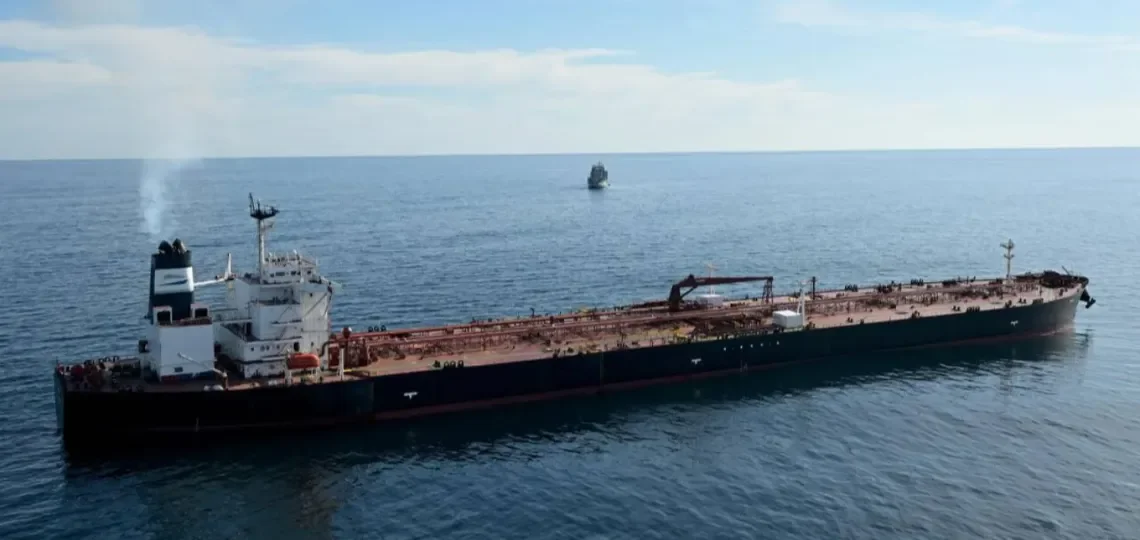
Military activity in the Black Sea continues to drive tensions. Ukrainian strikes targeted Russian oil infrastructure, temporarily reducing the country’s logistical capacity to transport crude. Several Russian-linked tankers were reportedly sunk or disabled, raising concerns over stable supply flows.
Turkey summoned the Russian and Ukrainian ambassadors following attacks on vessels suspected of being part of the “shadow fleet” used by Moscow to bypass Western oil trade restrictions. Ankara expressed concern over maritime security in the Black Sea, a key corridor for regional energy flows.
Rising inventories and price pressure
Despite growing tensions, the price surge was partially held back by an increase in global crude stocks. Figures released by the U.S. Energy Information Administration (EIA) showed an unexpected rise in U.S. commercial crude inventories by 600,000 barrels last week, whereas analysts had expected a drop of 2 million barrels.
Russian President Vladimir Putin’s visit to India, also closely watched by markets, did not yield any concrete announcements. While New Delhi did not confirm a slowdown in its Russian oil imports, recent trade data indicate a modest decline. Oil trade relations between the two countries are under scrutiny amid U.S. customs sanctions.
Next stage of negotiations
Further discussions between U.S. and Ukrainian officials are scheduled as pressure mounts on energy supply chains. Market participants are assessing the short-term impact on crude flows, particularly in Europe and Asia, in the event of prolonged escalation or widening conflict.
TD Securities Head of Commodity Strategy Bart Melek noted that markets remain highly sensitive to any military or diplomatic developments that could affect global supply. “There’s no doubt that geopolitical tensions between Russia and Ukraine are a factor,” he stated.