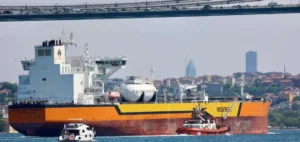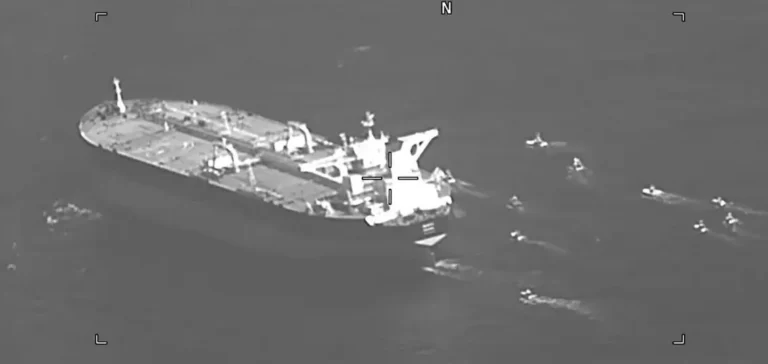

A foreign vessel carrying 350,000 litres of fuel was seized by Iran’s Islamic Revolutionary Guard Corps in the country’s southwest, according to state media reports. The ship, operating under the flag of Eswatini, was intercepted near the port of Bushehr on the Persian Gulf coast before being escorted into Iranian waters.
According to authorities, thirteen crew members were aboard the vessel at the time of the seizure. These sailors are nationals of multiple countries, including India and an unspecified neighbouring state. The operation is part of a series of actions aimed at curbing fuel smuggling in a region where maritime tensions remain high.
Increased controls in the Persian Gulf
Iran regularly intercepts vessels accused of illegal activities in the Persian Gulf, particularly in relation to unauthorised transport of energy products. This area is vital to global crude oil and liquefied natural gas transit, especially through the Strait of Hormuz, a strategic chokepoint linking the Gulf to the Arabian Sea.
Earlier in November, another vessel had already been seized by Iranian forces. The tanker Talara, flying the flag of the Marshall Islands, was intercepted after changing its course in the Strait of Hormuz to enter Iranian waters. It was carrying Iranian-origin petrochemical products, according to local authorities.
Cargo origin and regional implications
Iranian media claimed the cargo seized aboard Talara was destined for Singapore and had been transported without authorisation by an Iranian operator. The operation was not linked to any retaliatory political action, according to the Fars news agency. The vessel’s 21 crew members have since been released.
In 2024, another maritime incident involving a container ship allegedly linked to Israel led to its seizure. Such operations reflect Iran’s intent to actively control maritime traffic within its sphere of influence while asserting surveillance capabilities in disputed waterways.
Ongoing actions along oil routes
The recurring vessel seizures in this region highlight the pressure Iran is placing on energy flows across the Gulf. Actions by the Islamic Revolutionary Guard Corps focus on combating smuggling but occur amid regional rivalries and heightened scrutiny of oil shipments, particularly those headed for Southeast Asia.
The rare use of Eswatini’s flag and the varied nationalities of the crew raise questions about logistical networks and informal export channels operating in the region.