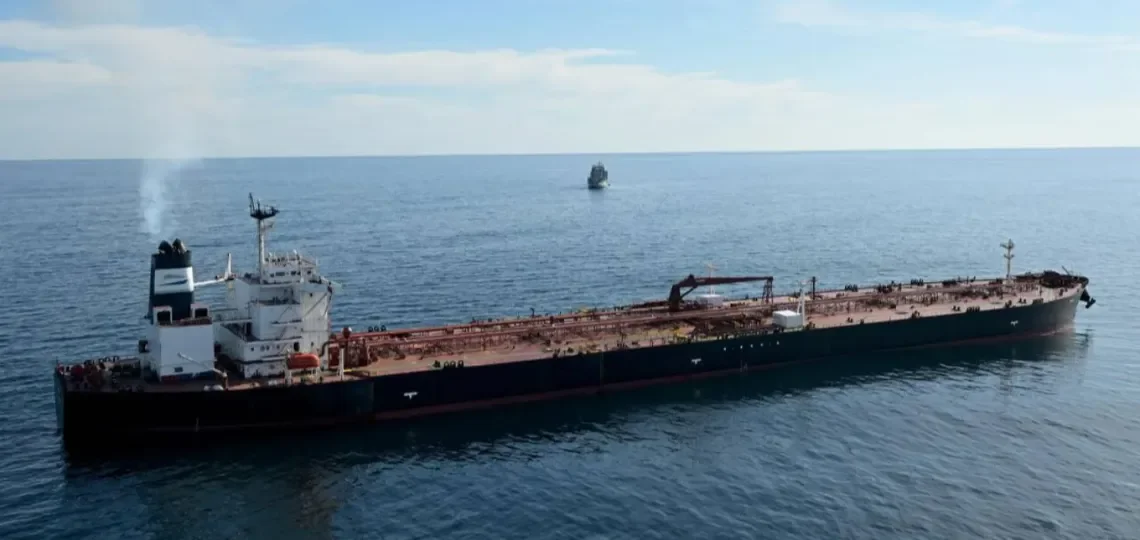
Pemex increases domestic refining despite continued decline in crude oil production
Faced with falling oil production, Pemex is expanding local refining through Olmeca, aiming to reduce fuel imports and optimise its industrial capacity under fiscal pressure.
| Sectors | Oil |
|---|---|
| Themes | Markets & Finance, Sector Analysis |
State-owned Petróleos Mexicanos (Pemex) has reinforced its industrial integration strategy by increasing domestic refining, even as its crude oil production continues to decline. In October, refined product volumes reached approximately 1.09 million barrels per day (Mb/d), while crude output remained around 1.36 Mb/d. This shift confirms the company’s reorientation towards local processing to meet domestic demand and reduce reliance on imports.
Olmeca refinery at the heart of the industrial shift
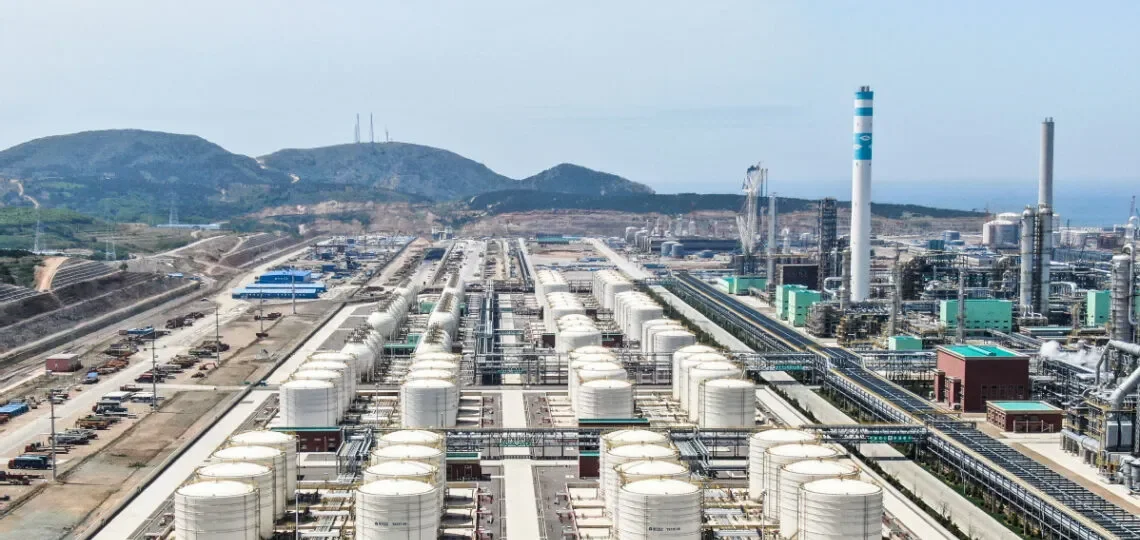
Commissioned in 2024, the Olmeca refinery located in Dos Bocas reached a throughput of 190,000 barrels per day in October, following a gradual ramp-up. The long-term target capacity ranges between 320,000 and 340,000 barrels per day, which will require steady supply of heavy crude oil, particularly Maya, whose available volumes are shrinking. This technical repositioning also implies reinforcement of internal infrastructure, including transport and storage systems.
Import reduction and logistical arbitrage
Thanks to the increased local fuel output, domestic sales rose by approximately 9 % year-on-year, enabling a 20 % reduction in refined product imports. Simultaneously, crude exports rebounded 18 % year-on-year in October, after a significant drop in spring. This configuration depends on tight stock management and blend composition, with a fragile balance should crude production continue to fall.
Refocus driven by financial constraints
Pemex remains heavily indebted, with nearly $100bn in gross debt. Despite a recent credit rating upgrade to BB, the company remains within speculative grade. The Mexican government continues to refinance maturities through sovereign bond issuance and reduced supplier debt by 50 % since the end of 2024. This support helps Pemex maintain operations, but limits flexibility for renewed investment in exploration and production.
Regional and commercial impacts
Pemex’s changes are affecting its traditional commercial partners. Gulf Coast refiners in the United States, historically buyers of Maya crude, are impacted by both supply declines and 25 % U.S. tariffs, pushing them to diversify toward other heavy grades. Importing countries such as Cuba have seen Mexican deliveries drop 73 % over ten months, with volumes redirected to the domestic market.
Pressure on upstream and model sustainability
Upstream activity continues to fall, confirmed by a 43 % year-on-year drop in active rigs. Investments are now focused on refining and petrochemicals at the expense of exploration. This strategy increases dependence on ageing production assets, without new projects sufficient to reverse the trend in the short term. The company may be forced to import crude to keep its refineries operating if domestic production fails to stabilise.