CPC pipeline restarts after strikes, but pressure remains on Kazakhstan
The Caspian Pipeline Consortium resumed loadings in Novorossiisk after a Ukrainian attack, but geopolitical tensions persist over Kazakh oil flows through this strategic Black Sea corridor.
| Sectors | Oil |
|---|---|
| Themes | Policy & Geopolitics, Energy Security |
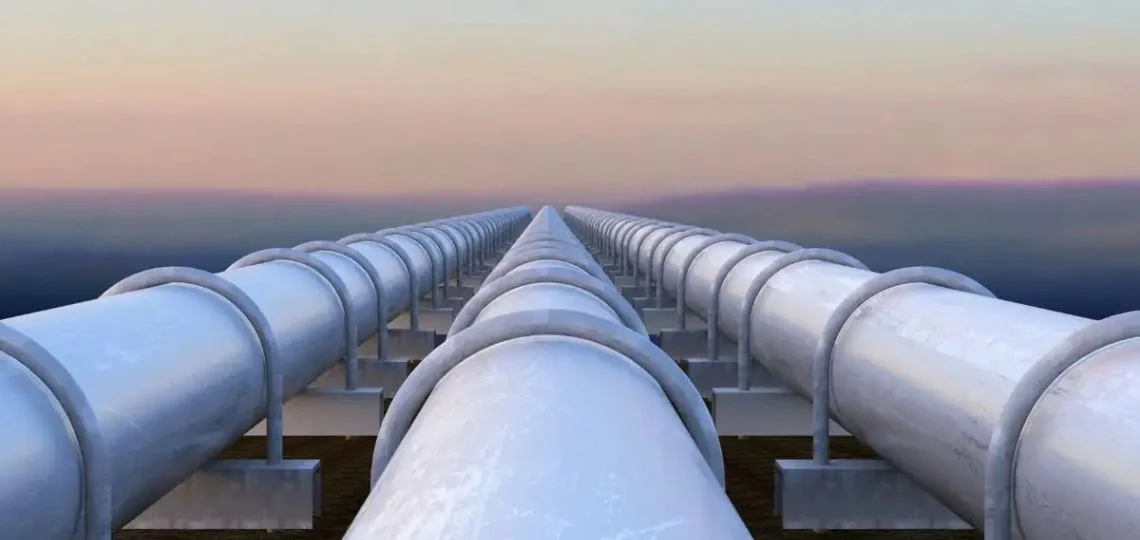
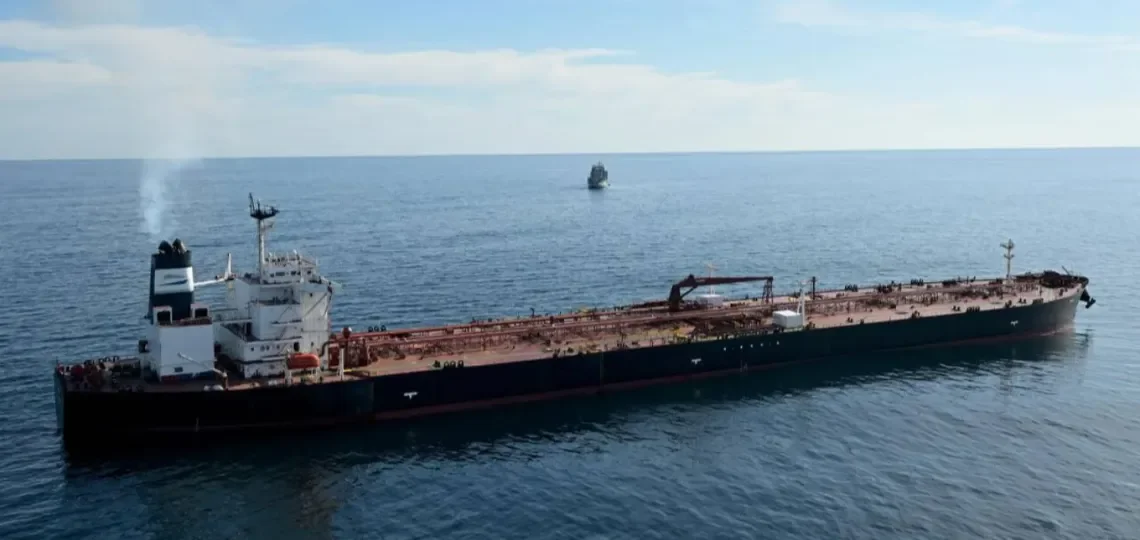
The Caspian Pipeline Consortium (CPC) temporarily halted operations at the Novorossiisk terminal, hit by a drone strike, before resuming crude loadings. This oil corridor remains Kazakhstan’s primary export route, transporting around 1.5 Mb/d of light CPC Blend crude to European and Mediterranean markets. More than 80% of Kazakhstan’s oil exports transit through this infrastructure, making it a critical component of regional energy balance.
A constantly pressured hub
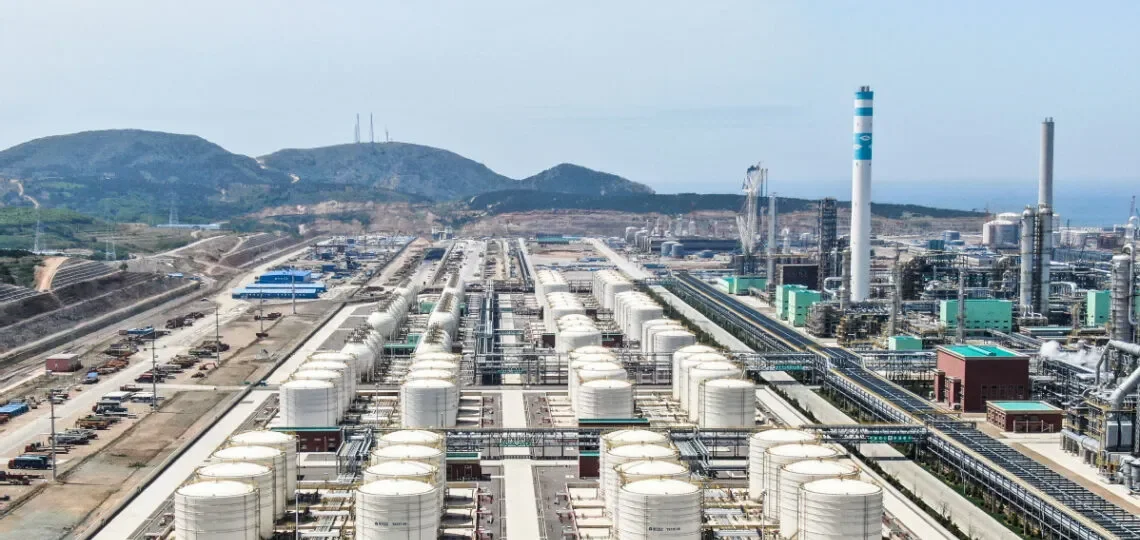
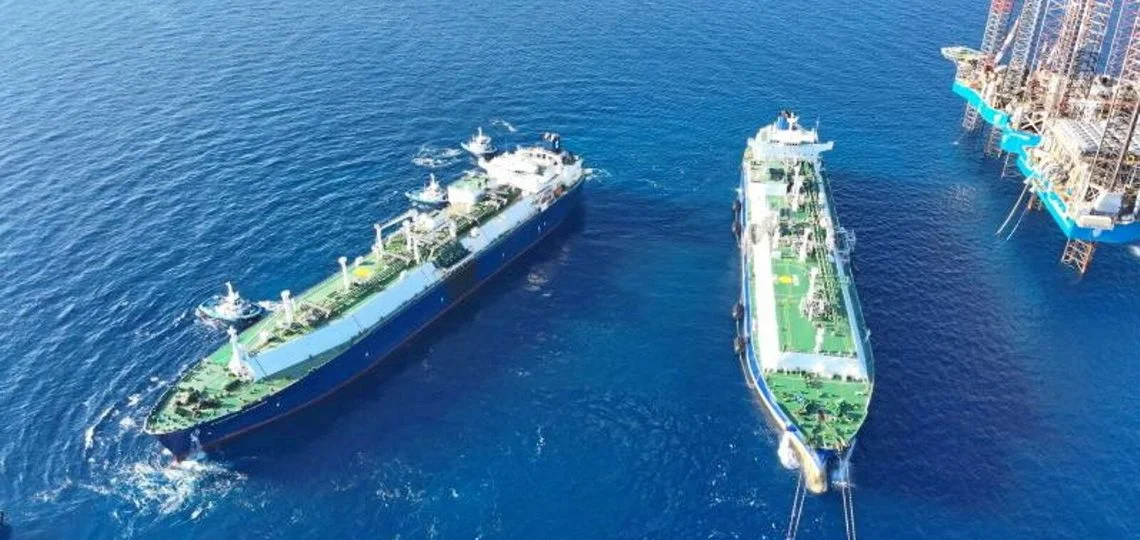
The Sheskharis facilities, offshore loading points (Single Point Moorings) and pumping stations form the operational backbone of the CPC. These installations have been repeatedly targeted since early 2025, exposing their vulnerability in the context of the Russia-Ukraine conflict. The rapid resumption of operations shows some technical resilience but does not dispel concerns about flow regularity.
Temporary disruptions recorded in 2025 have already triggered global price variations of up to 2%. For logistics chain actors – traders, shipowners, refiners – risk management has become an operational imperative, notably through contractual adjustments including force majeure clauses and enhanced origin verification of transported crude.
Fragmented governance and growing commercial stakes
The CPC consortium involves a complex network of state and private actors, including Russian state-owned Transneft, Kazakhstan’s KazMunayGaz, and US companies such as Chevron and ExxonMobil. Russia holds a dominant position in the terminal segment, complicating operational decisions in times of crisis. This governance asymmetry raises questions about the ability of other shareholders to secure flows against unilateral decisions taken on Russian territory.
Investors now have to factor in structural risk on Black Sea assets. Kazakhstan, despite its efforts to diversify, remains dependent on CPC in the short term. The expected increase in volumes linked to the Tengizchevroil (TCO) project strengthens this dependency, making any disruption more economically costly.
Compliance stakes and logistical arbitrage
Kazakh-origin CPC Blend crude is officially exempt from Western sanctions, provided traceability is ensured. European and US authorities have issued several clarifications and licences, including General License 124B from the Office of Foreign Assets Control (OFAC), allowing petroleum services linked to CPC despite an expanded Russian sanctions regime.
For buyers, this implies reinforced checks, particularly on blends with Russian volumes, compliance with price caps, and alignment with applicable exemptions. These requirements complicate logistical arbitrage, especially for European and Turkish refineries, which must balance supply reliability with regulatory compliance.
Insurance risks and economic repercussions
The impact of the strikes on war risk insurance premiums is already visible. Insurers are reassessing routes serving the Black Sea, with some reducing exposure or imposing restrictions on vessels operating in the zone. This trend affects CPC flow profitability, which may eventually face additional discounts demanded by buyers to cover operational risks.
On physical markets, recurring disruptions have strengthened the perceived value of alternative routes such as Baku–Tbilisi–Ceyhan (BTC), US Gulf loadings, or Middle Eastern grades, despite higher logistical costs. For Kazakh exporters, this means margin pressure, in the absence of an equivalent alternative in terms of volume and reliability.
Regional strategy and diplomatic recalibration
Kazakhstan is seeking to accelerate energy export diversification. Discussions are underway with the European Union to secure origin recognition, while Astana explores alternative corridors via the Caspian Sea. However, none of these options can currently replace the volumes handled by CPC.
The United States plays a central role in maintaining regional stability by calibrating sanctions regimes to avoid compromising Kazakh exports. Ukrainian strikes on shared infrastructure are testing this diplomatic balance, while forcing Moscow to reinforce its terminal defences in the face of ongoing military pressure.