JA Solar launches photovoltaic solution for extreme desert environments
JA Solar unveils a pioneering white paper on photovoltaic systems in arid regions, with a module designed to withstand extreme desert conditions and improve long-term energy yield.
| Sectors | Solar Energy, Photovoltaic |
|---|---|
| Themes | Innovation & Transformation, Sector Innovation |
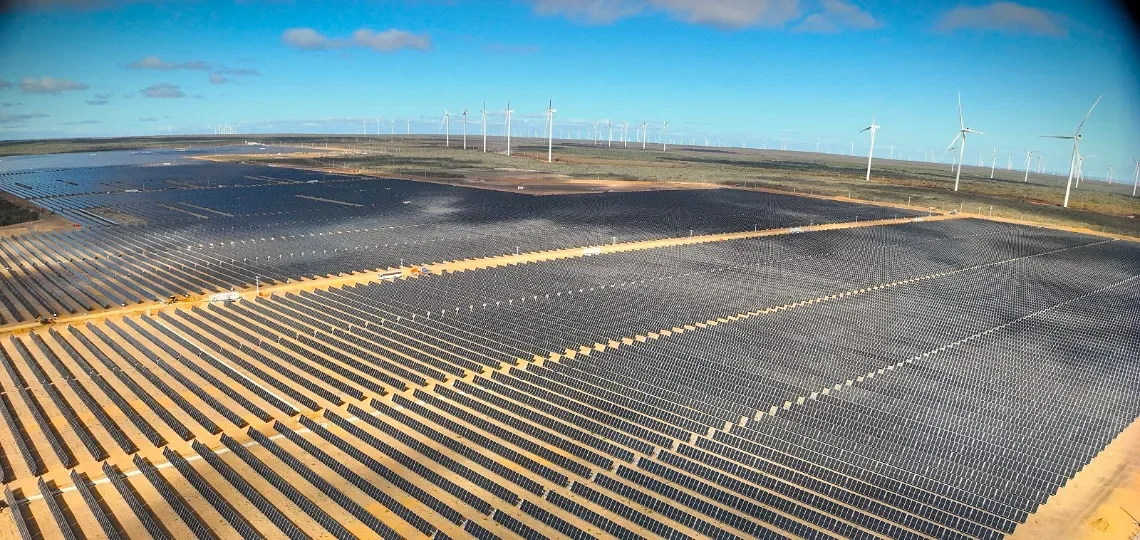
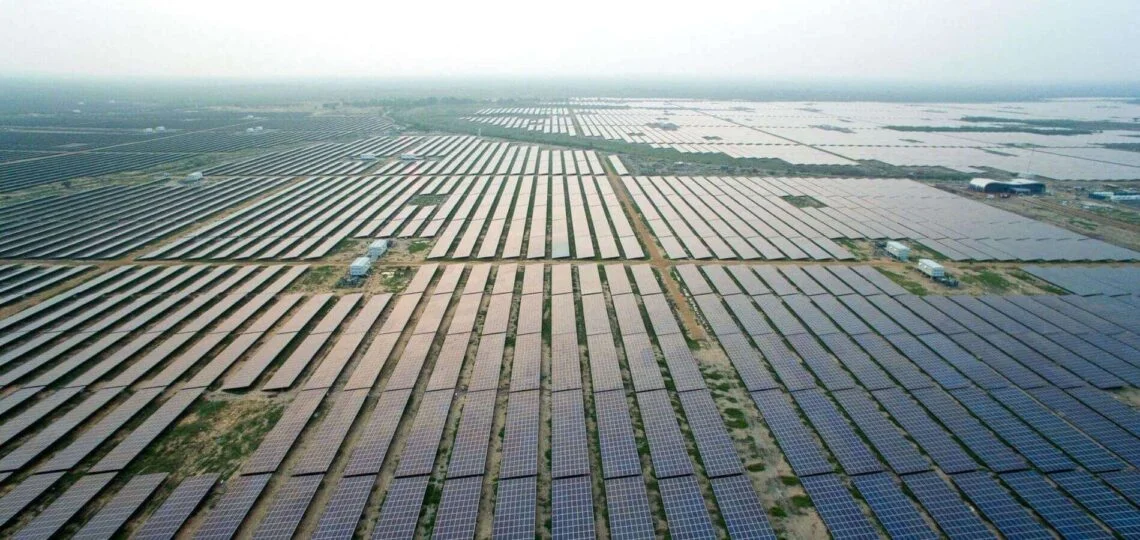
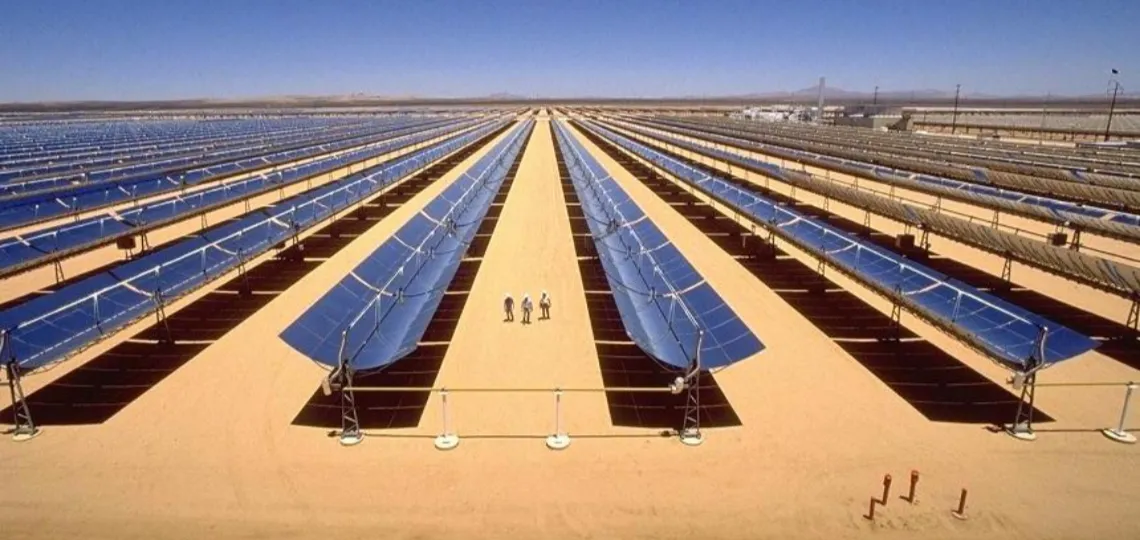
Chinese manufacturer JA Solar has introduced a photovoltaic solution specifically designed for desert environments, marking a significant step in industrialising solar projects on arid terrain. The published white paper introduces a rigorous testing framework tailored to environments such as deserts, the Gobi region, and wastelands, characterised by extreme climatic conditions including intense ultraviolet radiation, sandstorms, and sharp thermal variations.
Developed in partnership with certification body TÜV NORD, this initiative proposes a standardised methodology for site selection, system design, and equipment choice. It aims to reduce reliance on empirical practices by promoting a systematic and replicable approach for solar projects in harsh environments.
Modules optimised for extreme temperatures
At the core of this strategy is the DesertBlue module, a next-generation solar panel capable of delivering up to 650 W of output with 24% efficiency. Featuring a nano-scale anti-dust coating, it reduces transmittance degradation by over 32%, extending the operational life of the module by three to five years. Its reinforced steel frame withstands 6000 Pa front loads and 4000 Pa rear loads, while its optimised thermal design provides a 0.6% output gain under high-heat conditions.
Outdoor testing by JA Solar indicates an operating temperature up to 5°C lower in dusty environments compared to standard modules. These thermal performances confirm the DesertBlue’s resilience under desert climate constraints.
Field-tested yield and reduced maintenance costs
Field data collected at the Fengxian test site in Shanghai and in the Ulan Buh Desert show an energy yield increase of 7.09% and 4.98% respectively. These results demonstrate concrete operational benefits, supported by lower costs for panel cleaning and robotic operation and maintenance (O&M).
The validation protocol, conducted independently by TÜV NORD, includes testing for UV ageing, thermal cycling, sand abrasion, hotspot resistance, and high-temperature mechanical loading. These tests exceed the standards set by the International Electrotechnical Commission (IEC), confirming long-term reliability in challenging environments.
JA Solar stated that this scenario-based approach is designed to meet customer needs for energy yield and profitability in the most demanding regions worldwide.