Belgrade begins legal procedure to seize Moscow-controlled Serbian refinery
Serbia is preparing a budget law amendment to enable the takeover of NIS, a refinery under US sanctions and owned by Russian groups, to avoid an imminent energy shutdown.
| Sectors | Oil, Refining |
|---|---|
| Themes | Regulation & Governance, Public Policy |
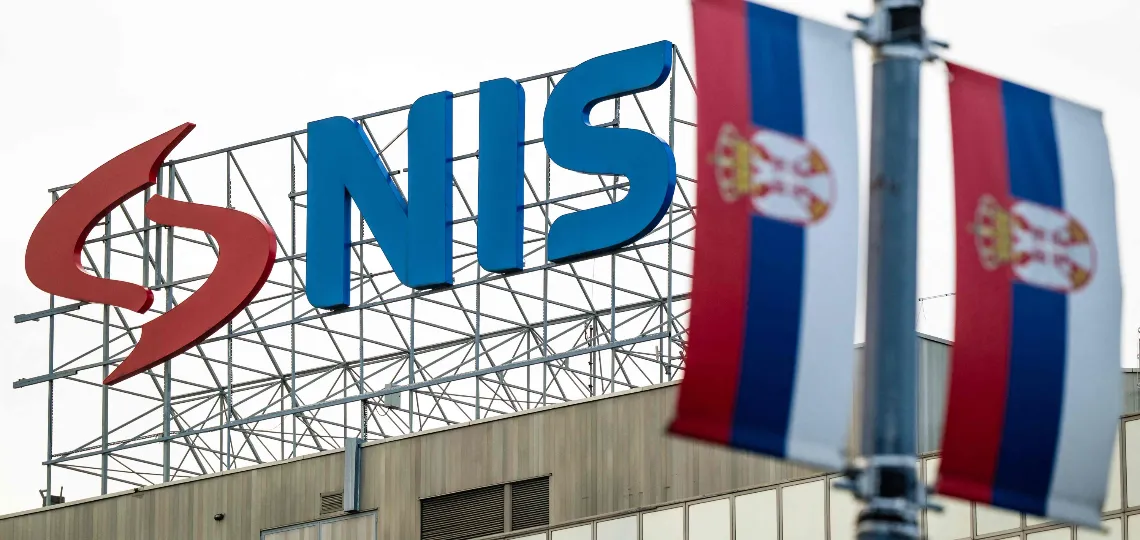
Serbia is preparing to amend its budget legislation to enable the takeover of Naftna Industrija Srbije (NIS), a company majority-owned by Russian entities subject to US sanctions. This move comes four days before the refinery could potentially cease operations, according to President Aleksandar Vucic.
US sanctions put pressure on Serbia’s oil sector
NIS, active in refining and distributing petroleum products in Serbia, is majority-owned by Gazprom Neft and Gazprom, both sanctioned by the United States Department of the Treasury’s Office of Foreign Assets Control (OFAC). After a series of waivers, sanctions came fully into force in October, now threatening fuel supplies as winter approaches.
President Vucic stated that the refinery would shut down in the coming days if the situation remains unresolved. This shutdown could severely impact the country’s energy supply, which heavily relies on NIS for domestic petroleum refining.
Legislative takeover led by ruling party
Ana Brnabic, President of the National Assembly and close political ally of the head of state, stated that parliament would begin debating a set of budget law amendments the following day. According to her, one of the proposals will explicitly include the possibility for the Serbian state to take control of NIS at some point.
The amendments are being prepared by the ruling Serbian Progressive Party (SNS). This initiative is presented as a necessary legal mechanism to maintain strategic refinery operations while navigating international sanctions imposed on Russia.
Energy stakes combined with political manoeuvring
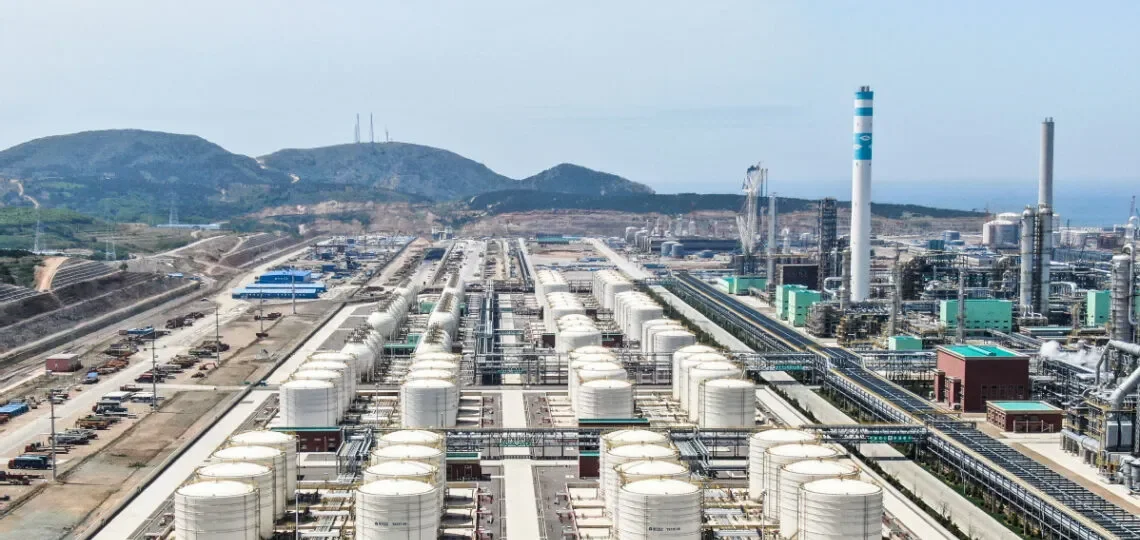
The NIS refinery is a key component of Serbia’s energy infrastructure, processing a large portion of the crude oil consumed domestically. Operational paralysis due to sanctions exposes the country to supply disruptions and increases pressure on the government to secure this critical resource.
Serbia, a European Union membership candidate, seeks to balance diplomatic relations between its Western partners and historic ties with Moscow. This attempt at a legal takeover of NIS may signal a turning point in the country’s energy strategy, amid a convergence of economic and geopolitical pressures.