Thailand: Nine Illegal Bitcoin Mining Farms Shut Down for Massive Electricity Theft

Thai authorities have dismantled nine illegal Bitcoin mining farms accused of stealing over €270,000 worth of electricity. Two suspects have been arrested for large-scale energy fraud.

Share:

Comprehensive energy news coverage, updated nonstop

Annual subscription

8.25€/month*

*billed annually at 99€/year for the first year then 149,00€/year ​

Unlimited access • Archives included • Professional invoice

OTHER ACCESS OPTIONS

Monthly subscription

Unlimited access • Archives included

5.2€/month*
then 14.90€ per month thereafter

FREE ACCOUNT

3 articles offered per month

FREE

*Prices are excluding VAT, which may vary depending on your location or professional status

Since 2021: 35,000 articles • 150+ analyses per week

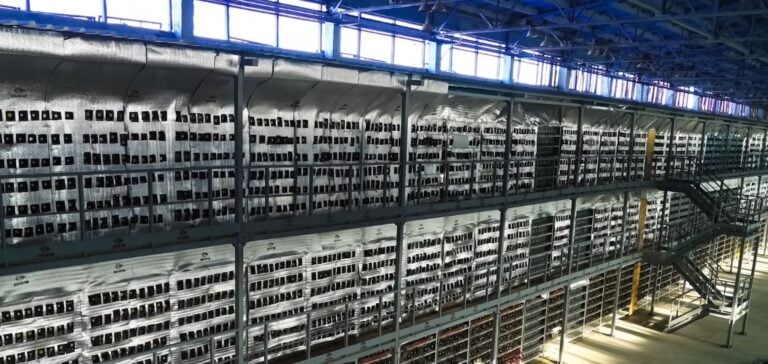
Thai authorities have put an end to the activities of nine clandestine Bitcoin mining farms, a process requiring significant electricity resources. These illegal operations have caused losses estimated at over 10 million baht (approximately €271,345) for local electricity providers, according to the police.

The case began with a report from a resident of the Surat Thani province in southern Thailand, who noticed surveillance cameras installed around an unoccupied house. The Central Investigation Bureau (CIB), in partnership with the Provincial Electricity Authority (PEA), conducted a search of the premises. They discovered equipment intended for cryptocurrency mining, including high-performance computing machines.

An Organized Illegal Network

Following this discovery, eight other similar sites were identified and searched. Investigations revealed that the farm operators had tampered with electricity meters to bypass costs and obtain the electricity needed for their activities without payment.

Two individuals, both 30 years old, were arrested and face charges of electricity theft and illegal operation of mining equipment. Under Thai law, while Bitcoin mining is legal, it is strictly regulated by fiscal and technical policies. The suspects face severe legal consequences, including substantial fines and potential imprisonment.

A Massive Energy Consumption

Bitcoin mining relies on a complex process that requires significant computing power. Miners validate blocks of data containing recent transactions in exchange for a reward in newly created Bitcoin. This process, known as “proof of work,” is highly energy-intensive.

Thailand, where electricity costs are relatively low, has become a favored destination for cryptocurrency miners. However, this activity, legal under certain conditions, increasingly attracts clandestine networks seeking to evade taxes and regulations.

A Global Trend

These dismantlings come as Bitcoin reaches historic highs, with its price nearing $90,000. This record is linked to geopolitical factors, including the recent reelection of Donald Trump in the United States, which has heightened investor interest in digital assets.

Bitcoin, created by an anonymous individual or group under the pseudonym Satoshi Nakamoto, is programmed to reach a fixed limit of 21 million units by 2140. This programmed scarcity, coupled with growing interest in cryptocurrencies, continues to drive the activities of both legal and illegal miners.

Hurricanes Beryl, Helene and Milton accounted for 80% of electricity outages recorded in 2024, marking a ten-year high according to federal data.
The French Energy Regulatory Commission introduces a temporary prudential control on gas and electricity suppliers through a “guichet à blanc” opening in December, pending the transposition of European rules.
The Carney–Smith agreement launches a new pipeline to Asia, removes oil and gas emission caps, and initiates reform of the Pacific north coast tanker ban.
The gradual exit from CfD contracts is turning stable assets into infrastructures exposed to higher volatility, challenging expected returns and traditional financing models for the renewable sector.
The Canadian government introduces major legislative changes to the Energy Efficiency Act to support its national strategy and adapt to the realities of digital commerce.
Quebec becomes the only Canadian province where a carbon price still applies directly to fuels, as Ottawa eliminated the public-facing carbon tax in April 2025.
New Delhi launches a 72.8 bn INR incentive plan to build a 6,000-tonne domestic capacity for permanent magnets, amid rising Chinese export restrictions on critical components.
Germany plans to finalise the €5.8bn ($6.34bn) purchase of a 25.1% stake in TenneT Germany to strengthen its control over critical national power grid infrastructure.
The Ghanaian government is implementing a reform of its energy system focused on increasing the use of local natural gas, aiming to reduce electricity production costs and limit the sector's financial imbalance.
On the 50th anniversary of its independence, Suriname announced a national roadmap including major public investment to develop its offshore oil reserves.
In its latest review, the International Energy Agency warns of structural blockages in South Korea’s electricity market, calling for urgent reforms to close the gap on renewables and reduce dependence on imported fossil fuels.
China's power generation capacity recorded strong growth in October, driven by continued expansion of solar and wind, according to official data from the National Energy Administration.
The 2026–2031 offshore programme proposes opening over one billion acres to oil exploration, triggering a regulatory clash between Washington, coastal states and legal advocacy groups.
The government of Mozambique is consolidating its gas transport and regasification assets under a public vehicle, anchoring the strategic Beira–Rompco corridor to support Rovuma projects and respond to South Africa’s gas dependency.
The British system operator NESO initiates a consultation process to define the methodology of eleven upcoming regional strategic plans aimed at coordinating energy needs across England, Scotland and Wales.
The Belém summit ends with a technical compromise prioritising forest investment and adaptation, while avoiding fossil fuel discussions and opening a climate–trade dialogue likely to trigger new regulatory disputes.
The Asian Development Bank and the Kyrgyz Republic have signed a financing agreement to strengthen energy infrastructure, climate resilience and regional connectivity, with over $700mn committed through 2027.
A study from the Oxford Institute for Energy Studies finds that energy-from-waste with carbon capture delivers nearly twice the climate benefit of converting waste into aviation fuel.
Signed for 25 years, the new concession contract between Sipperec, EDF and Enedis covers 87 municipalities in the Île-de-France region and commits the parties to managing and developing the public electricity distribution network until 2051.
The French Energy Regulatory Commission publishes its 2023–2024 report, detailing the crisis impact on gas and electricity markets and the measures deployed to support competition and rebuild consumer trust.

All the latest energy news, all the time

Annual subscription

8.25€/month*

*billed annually at 99€/year for the first year then 149,00€/year ​

Unlimited access - Archives included - Pro invoice

Monthly subscription

Unlimited access • Archives included

5.2€/month*
then 14.90€ per month thereafter

*Prices shown are exclusive of VAT, which may vary according to your location or professional status.

Since 2021: 30,000 articles - +150 analyses/week.