Carney and Smith unlock pipeline to Asia and amend tanker ban law
The Carney–Smith agreement launches a new pipeline to Asia, removes oil and gas emission caps, and initiates reform of the Pacific north coast tanker ban.

| Sectors | Oil |
|---|---|
| Themes | Investments & Transactions, Project Development, Financing |
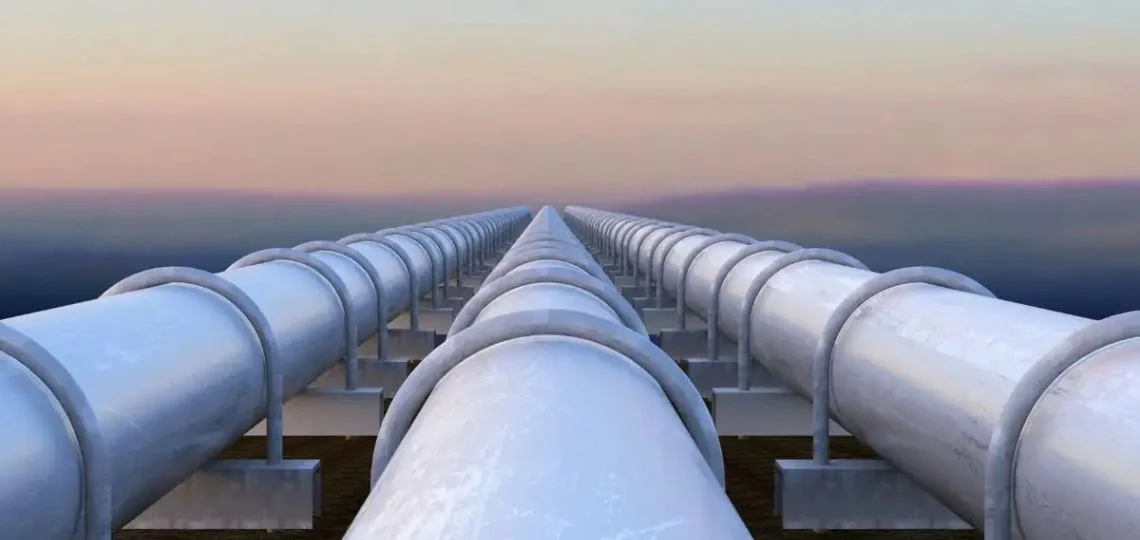
The federal government of Canada and the province of Alberta have reached a strategic agreement to create a new export corridor for Canadian oil to Asian markets. The project includes the construction of a pipeline with a capacity of approximately one million barrels per day (Mb/d) and is supported by a major federal investment in the Pathways Plus carbon capture and storage (CCS) programme, valued at CAD16.5bn ($12bn).
Reducing trade dependence on the United States
Currently, more than 90% of Canadian crude oil exports are directed to the United States, exposing the sector to potential trade barriers, which Ottawa estimates could have an impact of CAD50bn. The new pipeline aims to diversify export markets by directly connecting oil sands producers to Asian refineries, especially in China and South Korea, while reducing the structural discount applied to Western Canadian Select (WCS) crude compared to West Texas Intermediate (WTI).
The strategy seeks to boost the competitiveness of Canadian crude globally by leveraging its non-sanctioned status, unlike Russian shipments which are subject to the G7 price cap and United States Office of Foreign Assets Control (OFAC) regulations.
Targeted legislative reform on the Pacific coast
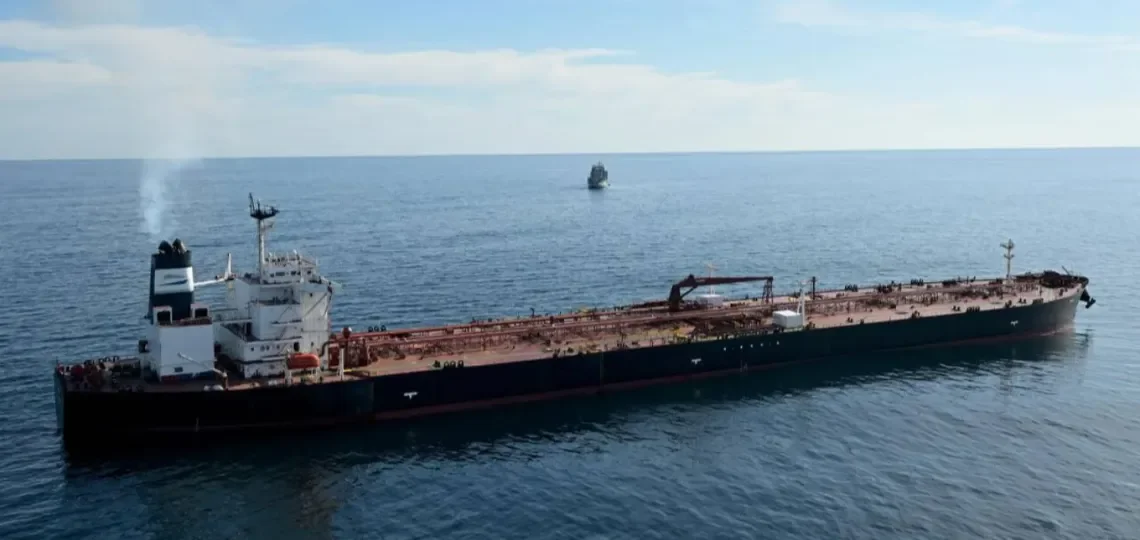
The project’s execution depends on adjustments to the Oil Tanker Moratorium Act (C-48), in force since 2019. This law currently prohibits tankers carrying more than 12,500 tonnes of crude from transiting along the north coast of British Columbia. A legislative revision or geographic redefinition of the restricted zone is under consideration to enable the construction of a deep-water port.
This shift has raised concerns from the British Columbia government and several First Nations, who cite constitutional obligations for consultation and the protection of coastal territories. Legal challenges could be brought, referencing precedents such as the Northern Gateway and Trans Mountain projects.
Removal of emissions caps and regulatory repositioning
The agreement terminates two key components of the federal climate policy: the emissions cap for the oil and gas sector and federal restrictions on fossil-based electricity generation. In return, Alberta agrees to a higher industrial carbon price and a binding commitment to the Pathways Plus CCS project. This shift from regulatory control to market mechanisms implies increased fiscal exposure for the federal government.
Environmental groups and political figures, including former minister Steven Guilbeault, have questioned the legal sustainability of this policy shift under the Net-Zero Emissions Accountability Act, which commits Canada to a 45–50% emissions reduction by 2035.
Impact on export capacity and industrial incentives
The Trans Mountain expansion (TMX) is already operating at 84% of its 890 kb/d capacity. The new pipeline could increase exports to Asia to nearly 2 Mb/d by 2030, reducing congestion and the price discounts currently granted to U.S. refiners. This development enhances the long-term value of oil sands reserves held by companies such as Suncor, Canadian Natural and Cenovus.
These companies, having significantly reduced debt in recent years, now have greater financial flexibility and could revive previously delayed expansion projects. The improved pricing environment could also support final investment decisions (FIDs) for upgrades to existing facilities.
Financing structure and political exposure
To ensure the project’s viability, Ottawa is expected to offer a financing framework that includes public guarantees, Indigenous co-ownership, and long-term fiscal stability. This structure aims to attract institutional investors, at a time when major midstream players such as Enbridge, TC Energy and Pembina have reduced their exposure to high-risk greenfield projects due to regulatory uncertainty.
At the same time, integrating the pipeline into the Pathways Plus programme creates a new class of assets combining oil revenue and carbon credits. These assets may appeal to pension funds and infrastructure investors, provided the project remains aligned with national legislation and international agreements.
Energy repositioning in a tense international context
As the European Union tightens sanctions on refined products of Russian origin, Canadian crude is emerging as a strategic alternative. Western insurers and shippers, constrained by compliance risks under the Price Cap Coalition, may favour Canadian cargoes, reducing regulatory exposure and operating costs.
This repositioning would allow Canada to redirect oil flows, freeing Middle Eastern volumes for the European market while strengthening ties with Asian buyers.