The Mozambique centralises its gas infrastructure to secure the Beira–Rompco corridor
The government of Mozambique is consolidating its gas transport and regasification assets under a public vehicle, anchoring the strategic Beira–Rompco corridor to support Rovuma projects and respond to South Africa’s gas dependency.
| Sectors | Gas, Natural Gas |
|---|---|
| Themes | Policy & Geopolitics, Energy Security |
Mozambique has granted a 30-year exclusive concession to a public consortium to operate key gas infrastructure connecting Beira, Inhassoro and the Rompco pipeline. The legal framework relies on a dedicated vehicle bringing together the country’s main state-owned companies, including Empresa Nacional de Hidrocarbonetos (ENH), Caminhos de Ferro de Moçambique (CFM), Electricidade de Moçambique (EDM), and Hidroeléctrica de Cahora Bassa (HCB).
An integrated gas chain serving the region
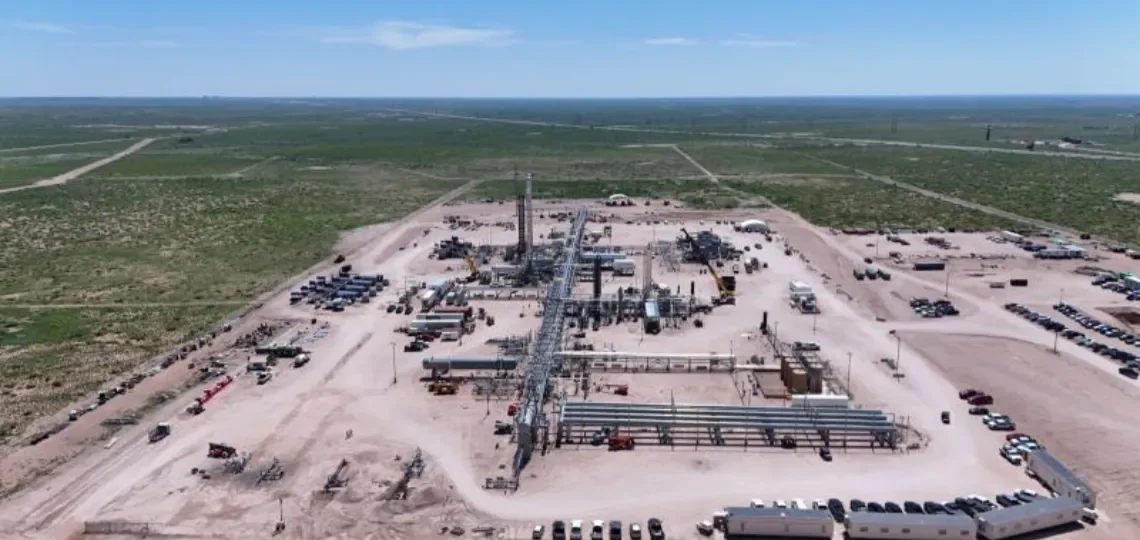
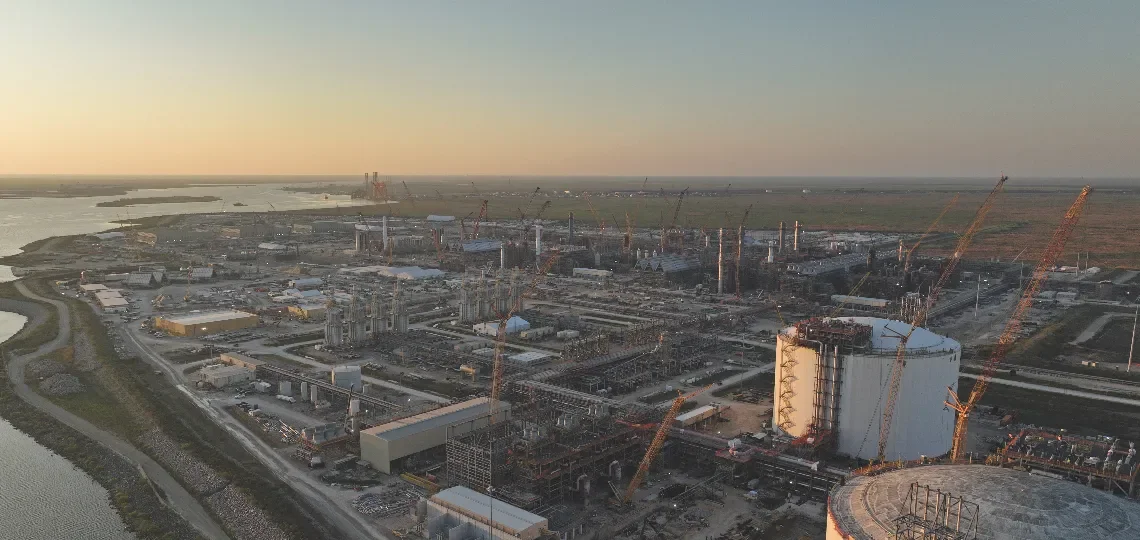
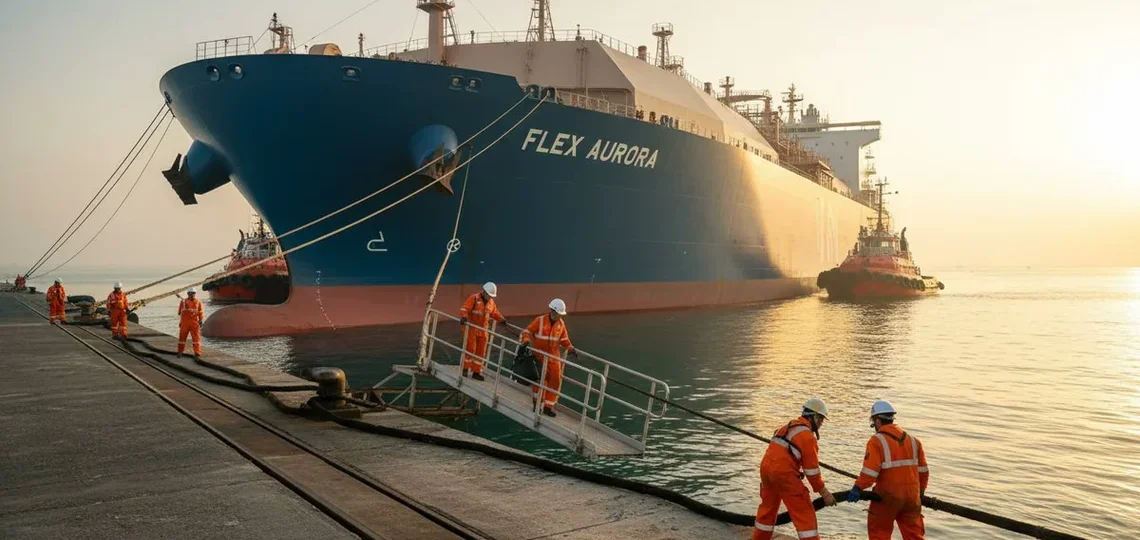
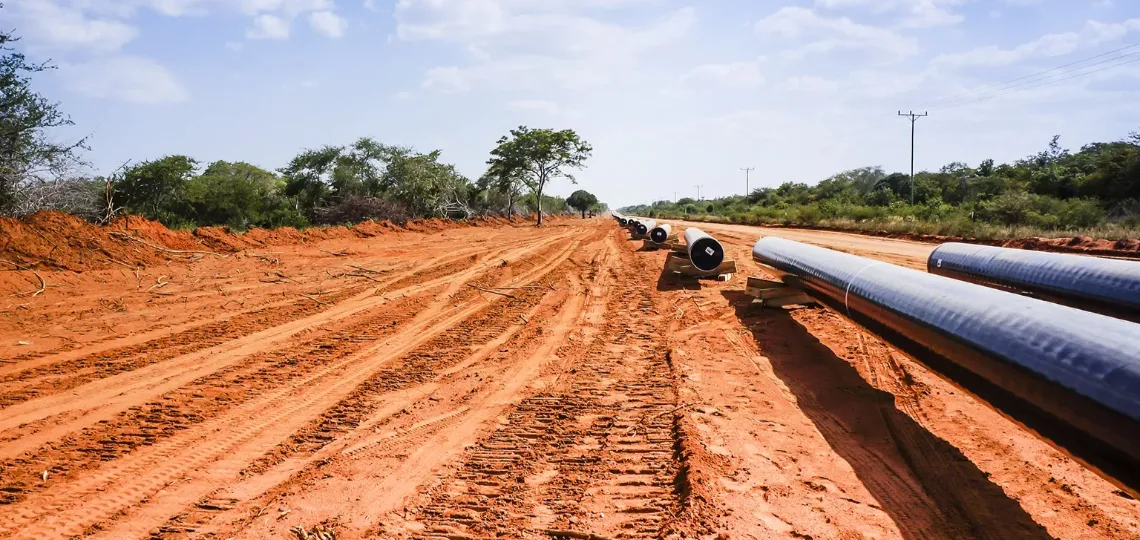
The core infrastructure is based on a floating storage and regasification unit (FSRU) off the coasts of Beira and Inhassoro. It connects to the 865 km-long Rompco pipeline, which already supplies nearly 90% of South Africa’s gas demand from the Pande and Temane fields. The onshore terminal and storage facilities are part of a $290mn investment programme to modernise Beira port.
The operation shifts Mozambique’s role from a transit country to a regional gas player. It integrates a complete LNG-to-pipeline chain capable of handling regasified gas from Rovuma offshore projects, with immediate synergies with Sasol’s facilities in Inhassoro.
A growing geopolitical lever for Maputo
For South Africa, the ability to inject LNG through Rompco provides a near-term alternative to declining output from ageing gas fields, amid a fast-paced energy transition. The Beira–Rompco corridor becomes a central pillar of its accelerated gas supply strategy.
For Maputo, state control over regasification and transport capacity strengthens its hand in managing gas flows and negotiating contracts. This strategic repositioning boosts the country’s influence in regional energy decisions while reducing exposure to the conflict-affected northern zones.
Legal risks and public governance challenges
The legal structure of the concession, covering all stages of the midstream chain, provides contract stability for lenders. However, the exclusivity granted to the SPV limits third-party access and raises questions about future access conditions.
The involved state-owned enterprises hold a large share of strategic national assets while facing persistent financial fragility. Their consolidation in a single vehicle heightens the risk of creating a high-liability entity that could expose the state to new quasi-sovereign debt obligations.
A response to declining existing gas fields
Mozambique is anticipating the declining output of the Pande and Temane fields, which currently underpin the Rompco network. By making the infrastructure compatible with imported regasified LNG, the country ensures continued supply to South Africa and meets its own growing industrial demand.
This transformation will reshape future gas sales agreements. Prices are expected to align more closely with international LNG indices, marking a departure from historically low domestic gas costs.
Industrial prospects and economic trade-offs
The Mozambican government has announced plans to allocate part of the regasified gas to the domestic market, supporting gas-to-power projects and industrial development. In Inhassoro, Sasol has commissioned a local liquefied petroleum gas (LPG) production facility, reducing the import bill.
The balance between foreign currency-generating exports and national energy security remains critical. The choice between international sales and support for domestic industry could become a key indicator of the country’s energy policy stability.
Regional effects and security exposure
The consolidation of the corridor around Beira and Inhassoro, relatively stable provinces, marks a deliberate shift away from infrastructure in the Cabo Delgado conflict zone. Still, national-level security risks remain, and investors remain sensitive to any deterioration in surrounding regions.
The involvement of HCB, a major electricity exporter, creates strategic interlinkages between cross-border gas and power flows, adding operational complexity in managing revenue streams.