Trump revives US offshore with 34 lease sales planned between 2026 and 2031
The 2026–2031 offshore programme proposes opening over one billion acres to oil exploration, triggering a regulatory clash between Washington, coastal states and legal advocacy groups.
| Sectors | Oil, Gas, Exploration & Production, Gas Exploration & Production |
|---|---|
| Themes | Regulation & Governance, Regulation |
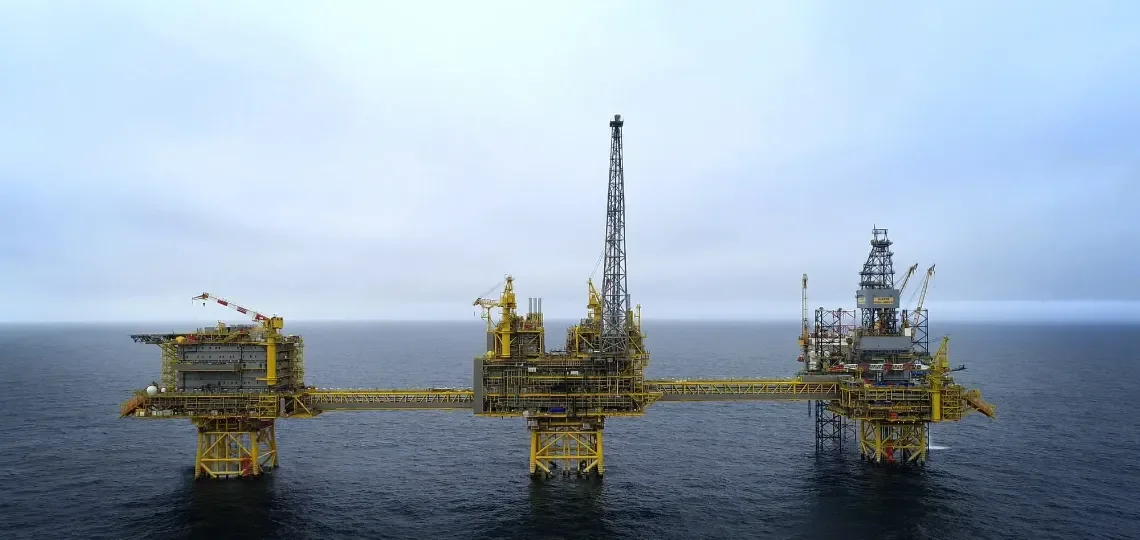
The federal government of the United States has presented a draft five-year offshore exploration programme that could lead to 34 lease sales between 2026 and 2031. The plan covers more than 1.27 billion acres across Alaska, the Gulf of Mexico and the Pacific waters off California. It represents a clear departure from the previous plan, which limited sales to three restricted areas.
An expanded federal framework for exploration
The proposal is based on the Outer Continental Shelf Lands Act (OCSLA), which mandates a full assessment of economic benefits, environmental impacts and national energy needs. The Bureau of Ocean Energy Management (BOEM) leads the regulatory architecture of the programme, while the Bureau of Safety and Environmental Enforcement (BSEE) oversees operational safety. The Trump administration aims to establish a legal foundation robust enough to withstand forthcoming challenges.
Each lease must be accompanied by an environmental impact study under the National Environmental Policy Act (NEPA), with mandatory consultation under the Endangered Species Act (ESA). This dual layer creates the potential for extended litigation throughout the decade.
Opposition from coastal states and legal levers
Although states cannot directly block federal offshore leases, they retain tools to slow or obstruct projects via air quality regulation, construction permits, and the Coastal Zone Management Act. California, in particular, opposes the plan and is expected to launch a series of administrative challenges against terminals and pipelines necessary for transporting crude.
In Florida, opposition also comes from local Republican lawmakers, who fear the economic fallout of a potential spill on the tourism sector. In contrast, Gulf states like Louisiana and Texas show support, banking on economic benefits for their port and industrial infrastructure.
Environmental litigation and regulatory pressure
Major non-governmental organisations, including the Natural Resources Defense Council (NRDC) and Earthjustice, have declared their intent to challenge future sales on the grounds of insufficient climate assessment. These legal actions will rely on precedents set during previous federal programmes.
Oil companies applying for leases will also face stricter environmental disclosure requirements in their filings with the Securities and Exchange Commission (SEC). Management of risks linked to indirect emissions, especially Scope 3, will become a key compliance issue.
Impact on investment planning
The time gap between lease award, final investment decision and first production limits immediate impact on oil markets. However, the programme’s announcement already stabilises price expectations by reinforcing the perception of future supply availability.
The Gulf of Mexico, with existing infrastructure, is expected to host most of the early projects. Alaska and the Arctic, on the other hand, will only be viable if prices remain high over the long term, given the extreme weather and regulatory uncertainties.
Uncertainty surrounding implementation
Final approval is scheduled for October 2026, but several factors may alter the programme’s scope. Legal disputes, internal arbitrations within the Department of the Interior and potential political shifts could reduce the actual number of sales.
Feasibility of the auctions will also depend on market appetite. Operators may act selectively, especially in politically sensitive zones such as California or the far north of Alaska. The level of signature bonuses will serve as an early indicator of the programme’s real attractiveness.