EDF considers selling its US renewables to finance domestic nuclear programme
EDF could sell up to 100% of its US renewables unit, valued at nearly €4bn ($4.35bn), to focus on French nuclear projects amid rising debt and growing political uncertainty in the United States.
| Sectors | Wind Energy, Nuclear Energy, Fission, Offshore |
|---|---|
| Themes | Industry & Execution, Corporate Strategy, Innovation & Transformation |
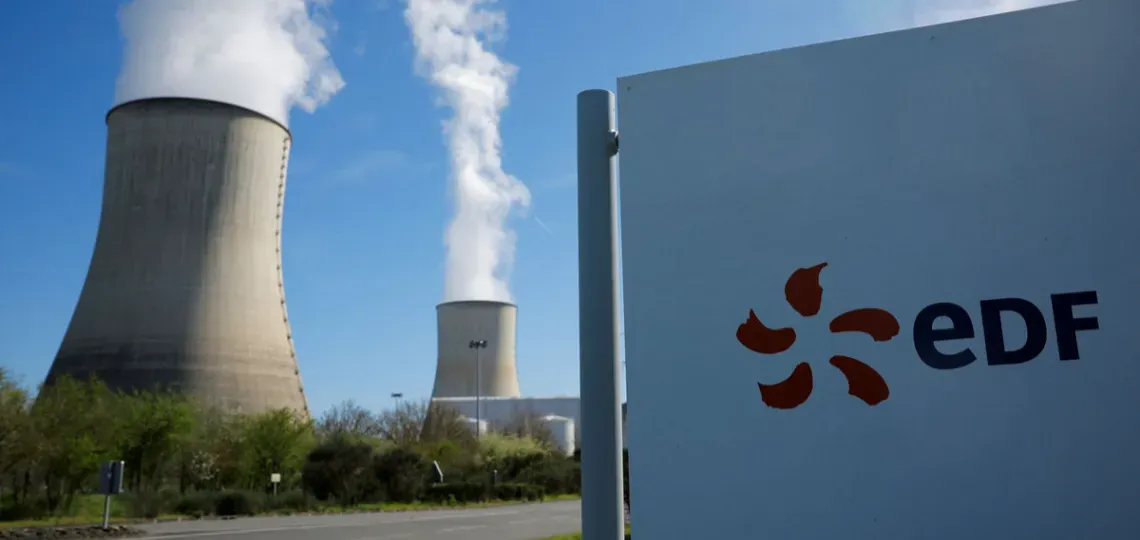
EDF is considering a full or partial sale of its North American renewable energy business to strengthen its domestic nuclear programme. The state-owned utility aims to free up financial capacity as its net debt exceeds €50bn ($54.3bn) and the extension of existing plants and construction of six new EPR2 reactors require tens of billions in capital expenditure.
The American subsidiary under strategic review
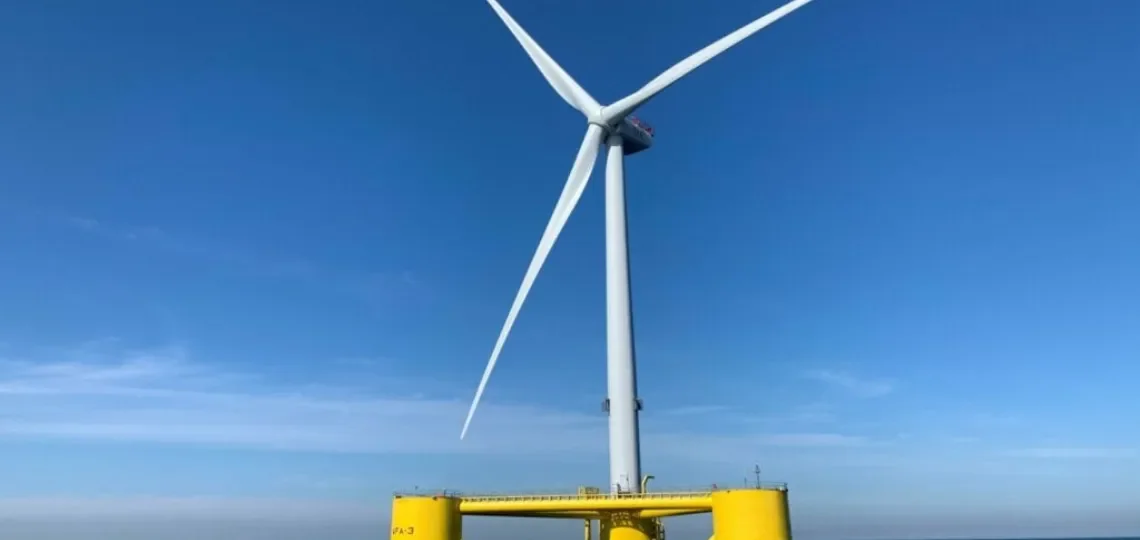
EDF Renewables North America manages a mature portfolio with 23 GW of developed projects and 16 GW under service contracts. Despite a solid industrial track record, the business is under increasing pressure due to political volatility in the United States, following a rollback of federal tax incentives and a freeze on offshore wind projects under the Trump administration.
EDF has already booked a nearly €900mn ($979mn) impairment on the Atlantic Shores project, co-developed with Shell in New Jersey, which lost eligibility for guaranteed purchase agreements. This impairment fuels internal debate over the strategic value of maintaining a presence in the US renewables sector.
Market benchmarks and potential valuation
Initial estimates place the unit’s value between €2bn and €4bn ($2.2bn–$4.35bn), depending on transaction scope and market conditions. For reference, EDPR recently sold a 49% stake in a 1.63 GW US portfolio to Ares for an enterprise value of $2.9bn, reflecting a high valuation multiple on long-term contracted assets.
EDF’s platform, built on long-term power purchase agreements and strong operational history, is seen as attractive to financial investors seeking low-carbon assets with predictable cash flows. A full sale would strengthen EDF’s balance sheet, while a partial divestment would retain a foothold in a changing market.
Shift towards national nuclear strategy
This refocus on French assets aligns with a broader national sovereignty agenda. EDF benefits from a more stable regulatory environment domestically, with less volatile wholesale prices and a tariff framework under renegotiation. Nuclear power remains the backbone of France’s electricity mix, accounting for over 60% of production, with political backing for expansion.
Current strategy, supported by public authorities, seeks to secure funding for the new nuclear fleet through dedicated mechanisms, potentially including Regulated Asset Base (RAB) models or Contracts for Difference (CfD), already implemented in other European markets.
Market impact and supply chain implications
A sale would simplify EDF’s financial structure but shift ownership of strategic assets to private operators such as Ares, Brookfield or KKR. These infrastructure investors, already active in US renewables, are seeking turnkey platforms with proven performance and secured contracts.
In the short term, EDF’s industrial exit from the US market may reduce competition in upcoming tenders but could further drive sector financialisation, amid rising policy uncertainty at the federal level.