Washington locks in Kazakh tungsten supply and frames its C5+1 bet

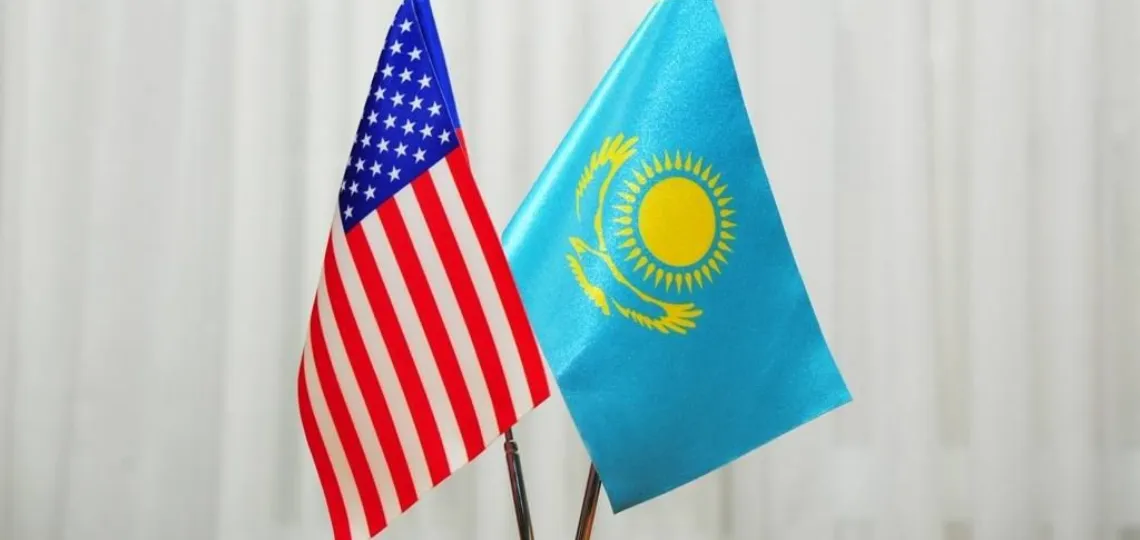
The United States secures a tungsten joint venture in Kazakhstan and mining protocols in Uzbekistan, with financing envisaged from the Export-Import Bank of the United States and shipment routed via the Trans-Caspian corridor.
Share:

Comprehensive energy news coverage, updated nonstop

Annual subscription

8.25€/month*

*billed annually at 99€/year for the first year then 149,00€/year ​

Unlimited access • Archives included • Professional invoice

OTHER ACCESS OPTIONS

Monthly subscription

Unlimited access • Archives included

5.2€/month*
then 14.90€ per month thereafter

FREE ACCOUNT

3 articles offered per month

FREE

*Prices are excluding VAT, which may vary depending on your location or professional status

Since 2021: 35,000 articles • 150+ analyses per week

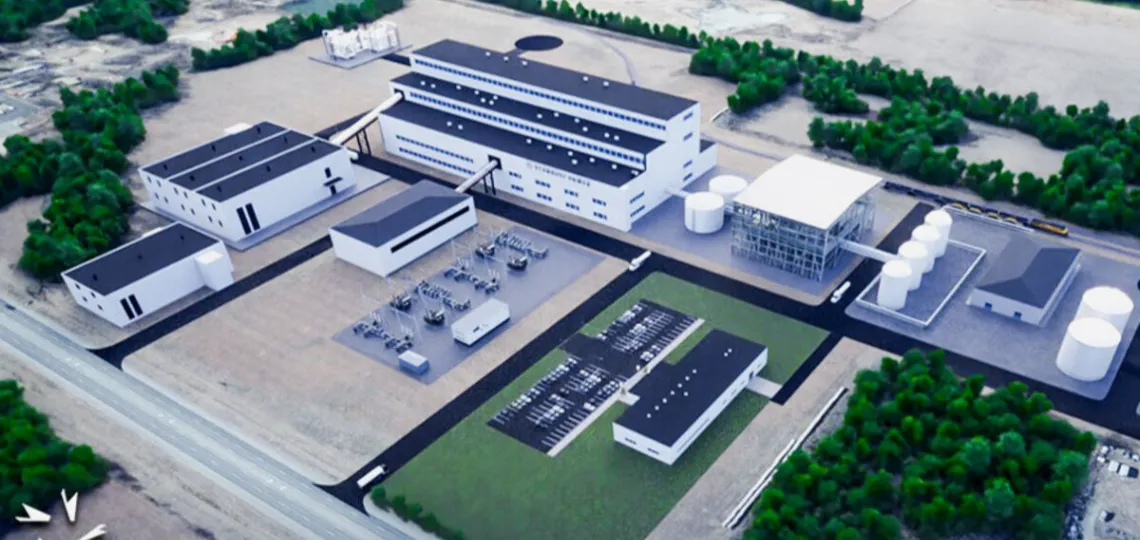
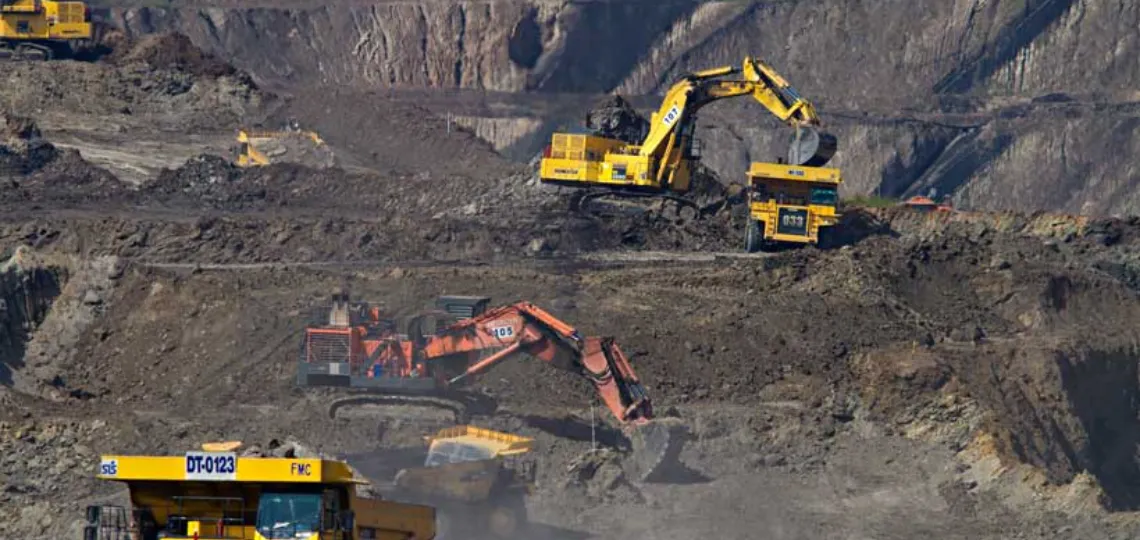
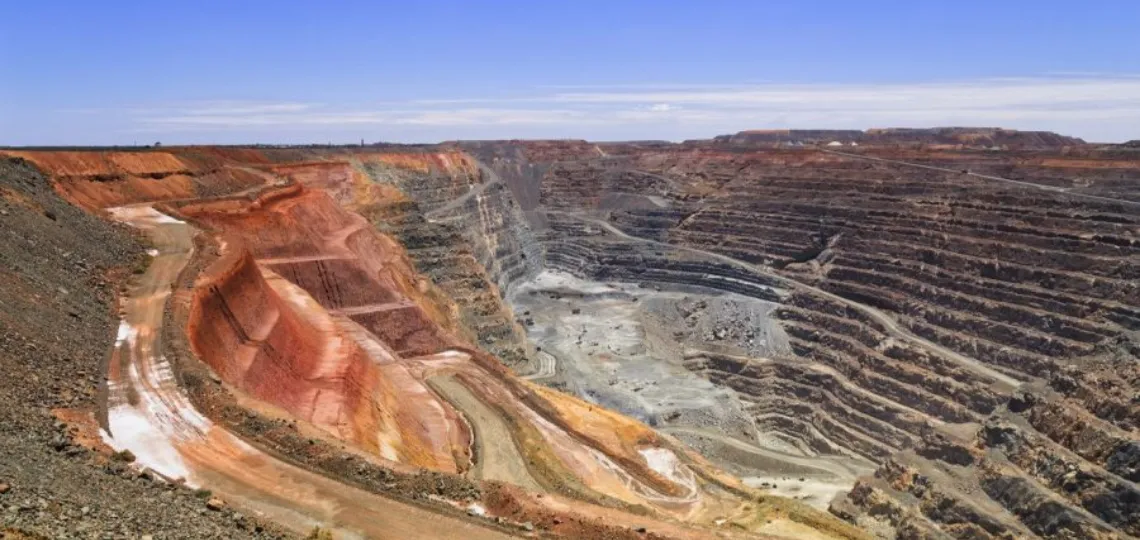
A joint venture between Cove Capital and Tau-Ken Samruk consolidates the adjacent Upper Kairakty and North Katpar tungsten deposits, designated strategic by the national mining authority. Published resources indicate 854,000 tonnes of tungsten trioxide (WO₃) across measured, indicated and inferred categories. The industrial plan targets 12,000 tonnes per year, roughly 15% of current mined supply. The scheme provides for local conversion into standardized intermediates prior to export to increase captured value.

Supply setup and industrial capacity

Intermediate production includes ammonium paratungstate (APT), the key step between concentrates and metal powders. Locating conversion in Kazakhstan reduces exposure to downstream bottlenecks and strengthens batch traceability. Ramp-up depends on delivery of processing equipment, metallurgical performance and stability of industrial utilities. Specifications focus on grade consistency and impurity control to meet aerospace, machining and dual-use requirements.

The announced capital structure allocates 70% to Cove Capital and 30% to Tau-Ken Samruk. External financing of up to $900 million is envisaged from the Export-Import Bank of the United States (EXIM), with total investment estimated around $1.1 billion and critical engineering and procurement packages in the pipeline. Bankability hinges on multi-year offtake agreements indexed to market references and secured access to processing inputs. The main milestones include award of EPC contracts, permitting and concentrator metallurgical qualification.

Uzbek agreements and regional upgrading

Uzbekistan’s Ministry of Geology signed a memorandum of understanding with Denali Exploration Group covering rare metals and rare earth elements. The Fund for Reconstruction and Development of Uzbekistan separately formalized cooperation with ReElement Technologies on separation processes. The workstreams cover deposit characterization, technology demonstrators and qualification of intermediates suitable for Western supply chains. Target portfolios include uranium, copper, tungsten, molybdenum and graphite, supported by technical partnerships.

Conversion of these protocols into bankable projects depends on credible offtake agreements, secure access to power and water, and reagent supply. Financial structuring will reflect site risk, fiscal regime and public counterparty guarantees. Operators plan pilot units to lock in hydrometallurgical schemes and reduce scale-up risk. Batch qualification will follow traceability standards embedded in commercial contracts.

Compliance and end markets

Sales to U.S. buyers are subject to the Office of Foreign Assets Control (OFAC), the Committee on Foreign Investment in the United States (CFIUS), the International Traffic in Arms Regulations (ITAR) and the Export Administration Regulations (EAR). Offtake contracts include traceability, quality specifications and continuity clauses suited to critical chains. The Department of Defense (DoD) and its subcontractor tiers form an expected buyer base for tungsten intermediates. Aerospace equipment manufacturers and cutting-tool producers are among the targeted counterparties.

A steady addition of 12,000 tonnes per year can ease ex-China premia if WO₃ quality and volume regularity are maintained. APT spreads will remain sensitive to ramp cadence, export-control policies from other producers and Trans-Caspian logistics costs. Watchpoints include EPC awards, batch qualification and offtake execution. Revenue profile will depend on the coupling of metallurgical performance, logistics reliability and compliance requirements.


European governments want to add review and safeguard mechanisms to the trade deal with Washington to prevent a potential surge of US imports from disrupting their industrial base.
The Khor Mor gas field, operated by Pearl Petroleum, was hit by an armed drone, halting production and causing power outages affecting 80% of Kurdistan’s electricity capacity.
Global South Utilities is investing $1 billion in new solar, wind and storage projects to strengthen Yemen's energy capacity and expand its regional influence.
British International Investment and FirstRand partner to finance the decarbonisation of African companies through a facility focused on supporting high-emission sectors.
Budapest moves to secure Serbian oil supply, threatened by Croatia’s suspension of crude flows following US sanctions on the Russian-controlled NIS refinery.
Moscow says it wants to increase oil and liquefied natural gas exports to Beijing, while consolidating bilateral cooperation amid US sanctions targeting Russian producers.
The European Investment Bank is mobilising €2bn in financing backed by the European Commission for energy projects in Africa, with a strategic objective rooted in the European Union’s energy diplomacy.
Russia faces a structural decline in energy revenues as strengthened sanctions against Rosneft and Lukoil disrupt trade flows and deepen the federal budget deficit.
Washington imposes new sanctions targeting vessels, shipowners and intermediaries in Asia, increasing the regulatory risk of Iranian oil trade and redefining maritime compliance in the region.
OFAC’s licence for Paks II circumvents sanctions on Rosatom in exchange for US technological involvement, reshaping the balance of interests between Moscow, Budapest and Washington.
Finland, Estonia, Hungary and Czechia are multiplying bilateral initiatives in Africa to capture strategic energy and mining projects under the European Global Gateway programme.
The Brazilian president calls for a voluntary and non-binding energy transition during COP30 in Belém, avoiding direct confrontation with oil-producing countries.
The region attracted only a small share of global capital allocated to renewables in 2024, despite high energy needs and ambitious development goals, according to a report published in November.
The United States approves South Korea’s development of civilian uranium enrichment capabilities and supports a nuclear-powered submarine project, expanding a strategic partnership already linked to a major trade agreement.
The EU member states agree to prioritise a loan mechanism backed by immobilised Russian assets to finance aid to Ukraine, reducing national budgetary impact while ensuring enhanced funding capacity.
The Canadian government commits $56 billion to a new wave of infrastructure projects aimed at expanding energy corridors, accelerating critical mineral extraction and reinforcing strategic capacity.
Berlin strengthens its cooperation with Abuja through funding aimed at supporting Nigeria’s energy diversification and consolidating its renewable infrastructure.
COP30 begins in Belém under uncertainty, as countries fail to agree on key discussion topics, highlighting deep divisions over climate finance and the global energy transition.
The United States grants Hungary a one-year waiver on sanctions targeting Russian oil, in return for a commitment to purchase US liquefied natural gas worth $600mn.
Meeting in Canada, G7 energy ministers unveiled a series of projects aimed at securing supply chains for critical minerals, in response to China’s restrictions on rare earth exports.

All the latest energy news, all the time

Annual subscription

8.25€/month*

*billed annually at 99€/year for the first year then 149,00€/year ​

Unlimited access - Archives included - Pro invoice

Monthly subscription

Unlimited access • Archives included

5.2€/month*
then 14.90€ per month thereafter

*Prices shown are exclusive of VAT, which may vary according to your location or professional status.

Since 2021: 30,000 articles - +150 analyses/week.