Lula advocates for unconstrained fossil fuel phase-out amid tensions at COP30
The Brazilian president calls for a voluntary and non-binding energy transition during COP30 in Belém, avoiding direct confrontation with oil-producing countries.
| Sectors | Oil |
|---|---|
| Themes | Policy & Geopolitics, Diplomacy |
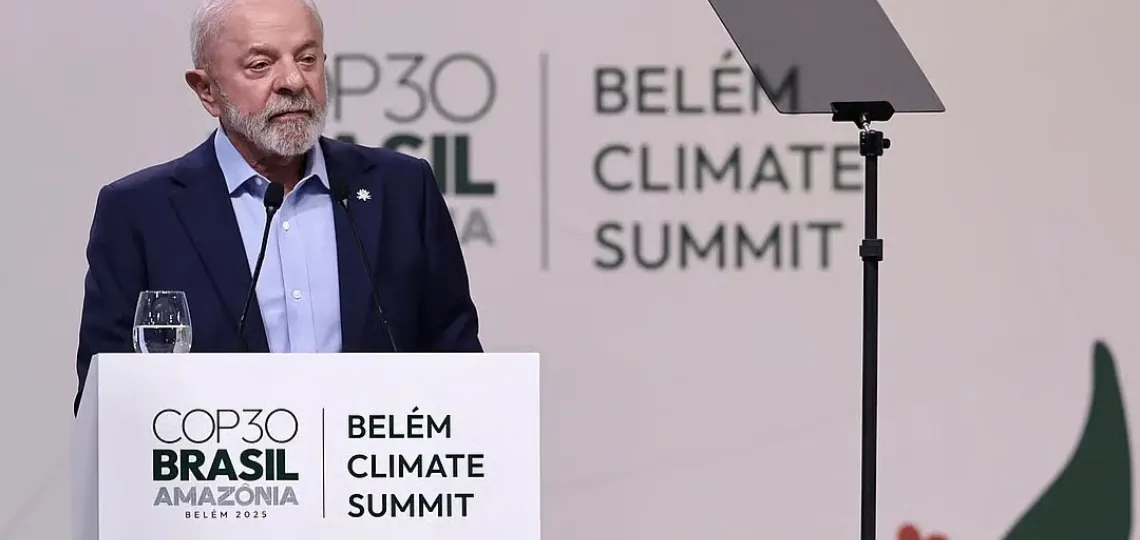
The president of the Federative Republic of Brazil, Luiz Inacio Lula da Silva, called for a differentiated energy transition at the United Nations Climate Change Conference (COP30), stating that each country must proceed “according to its possibilities.” Speaking to the press from Belém, host city of the event, Lula declared that it is possible to move away from fossil fuel dependence without imposing conditions or deadlines on participating states.
A strategy to avoid fault lines
While more than 80 countries support a formal commitment to end fossil fuel use in the COP30 agenda, discussions remain blocked by the continued resistance of key oil producers. Lula proposed an approach based on voluntarism and consensus, stating: “We must show society that we want to move away from dependence, but without imposing anything on anyone.” The Brazilian leader did not comment on the content of ongoing negotiations, instead promoting a consensus-based posture.
This stance comes as Brazil, a producer and exporter of oil, seeks to reinforce its diplomatic role in climate negotiations without undermining its national economic interests. Ahead of the COP, Lula had already floated the idea of a “roadmap” to overcome fossil fuel dependency, without specifying the terms or timeline.
Tensions between climate ambition and economic stakes
Minister of Environment Marina Silva acknowledged the lack of clear decisions but noted the openness of discussions, describing the responses received as “good, but not definitive.” She stressed the need to advance gradually towards international consensus. This cautious position reflects Brazil’s internal balancing act between leveraging its energy resources and improving its international environmental standing.
Lula, accompanied by COP30 president André Correa do Lago, Marina Silva, and his wife Rosangela da Silva, praised public mobilisation around the event. He notably called COP30 the “first COP of the people of the whole world,” referring to the significant presence of civil society in Belém’s streets. This statement supports the image of an inclusive event, although negotiation content remains tightly controlled.
Brazil facing its own energy contradictions
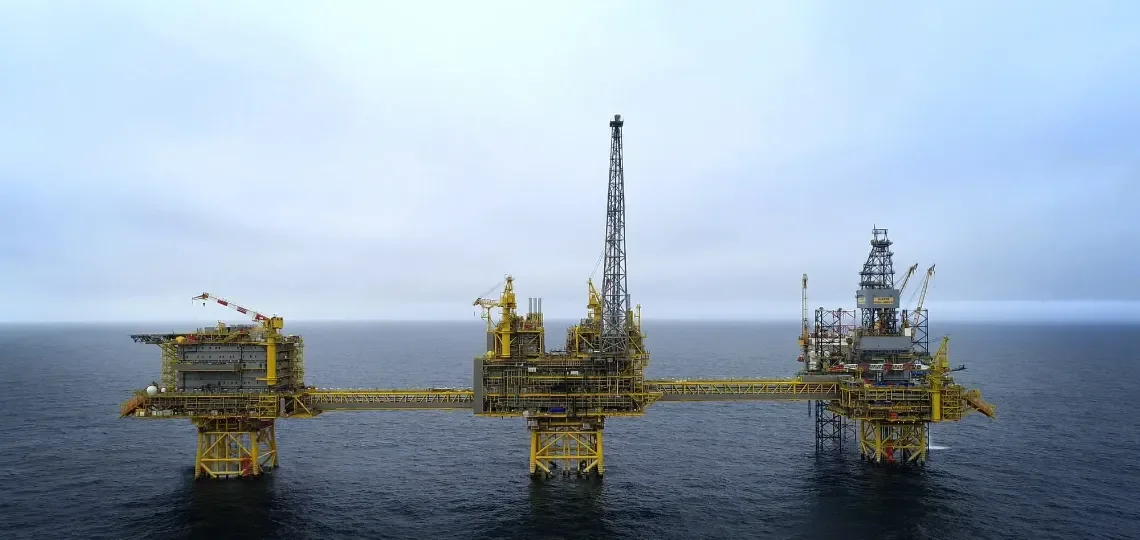
The strategy adopted by the Brazilian government highlights a growing conflict of interest between its public climate commitments and the economic realities tied to hydrocarbon exploitation. The country continues to expand offshore oil projects, particularly in the Equatorial Margin, potentially undermining its climate credibility.
By refusing binding commitments, Brazil currently avoids direct confrontation with members of the Organization of the Petroleum Exporting Countries (OPEC), while maintaining an active diplomatic role in multilateral talks. This posture preserves internal flexibility, while keeping open the possibility of future engagement—provided it aligns with national interests.