Hungary commits to supporting Serbia after oil shipments halted
Budapest moves to secure Serbian oil supply, threatened by Croatia’s suspension of crude flows following US sanctions on the Russian-controlled NIS refinery.
| Sectors | Oil |
|---|---|
| Themes | Policy & Geopolitics, Energy Security |
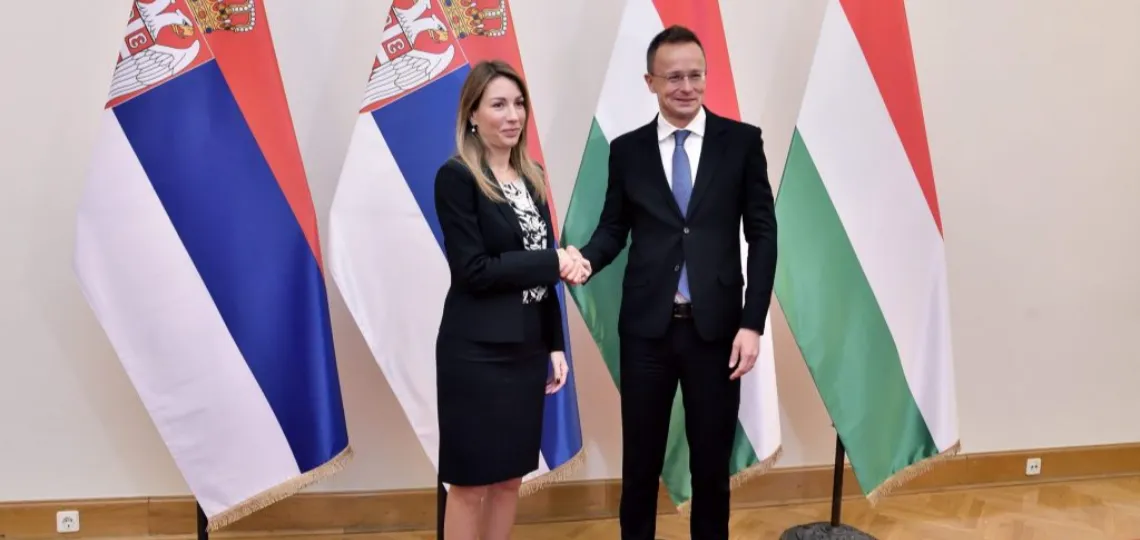
Hungary has announced its intention to assist Serbia after crude oil shipments from Croatia were suspended, following US sanctions imposed on Serbian company Naftna Industrija Srbije (NIS), which is majority-owned by Russian interests. Hungarian Minister of Foreign Affairs Peter Szijjarto travelled to Belgrade to discuss the terms of this energy cooperation.
Croatian suspension and shutdown risk
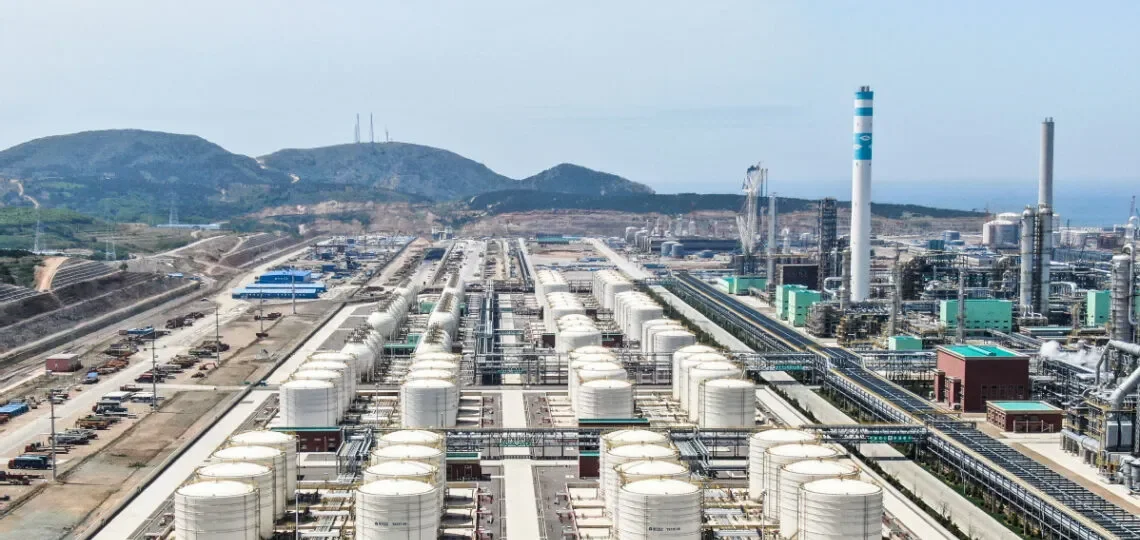
Serbian President Aleksandar Vucic stated that the NIS refinery would be forced to shut down within four days if no resolution is found, highlighting the urgency of the situation. The suspension of Croatian oil flows came after the US added NIS to its sanctions list as part of broader measures targeting Russia-linked entities. This decision cut Serbia off from its primary crude oil supply route.
Hungarian deliveries and strategic options
Peter Szijjarto had already mentioned in October that Hungarian oil group MOL Nyrt. would increase its crude deliveries to Serbia, though no specific details were provided regarding volumes or logistics. Local media reported that MOL was considering acquiring Gazprom’s 11.3% stake in NIS, though a company spokesperson dismissed the information as market speculation.
Planned oil pipeline between Hungary and Serbia
A proposed oil pipeline linking Hungary and Serbia is currently in the planning stage. According to Peter Szijjarto, this infrastructure could, from 2028, cover all of Serbia’s annual crude oil needs, with an estimated transport capacity of between 4 and 5 million tonnes per year.
Energy ties between the two countries have significantly strengthened in recent years, driven by the close relationship between Hungarian Prime Minister Viktor Orban and Serbian President Aleksandar Vucic, both of whom maintain strategic partnerships with Moscow.