Drone strike disables Khor Mor and triggers power collapse in Kurdistan
The Khor Mor gas field, operated by Pearl Petroleum, was hit by an armed drone, halting production and causing power outages affecting 80% of Kurdistan’s electricity capacity.
| Sectors | Gas, Natural Gas |
|---|---|
| Themes | Policy & Geopolitics, Energy Security |
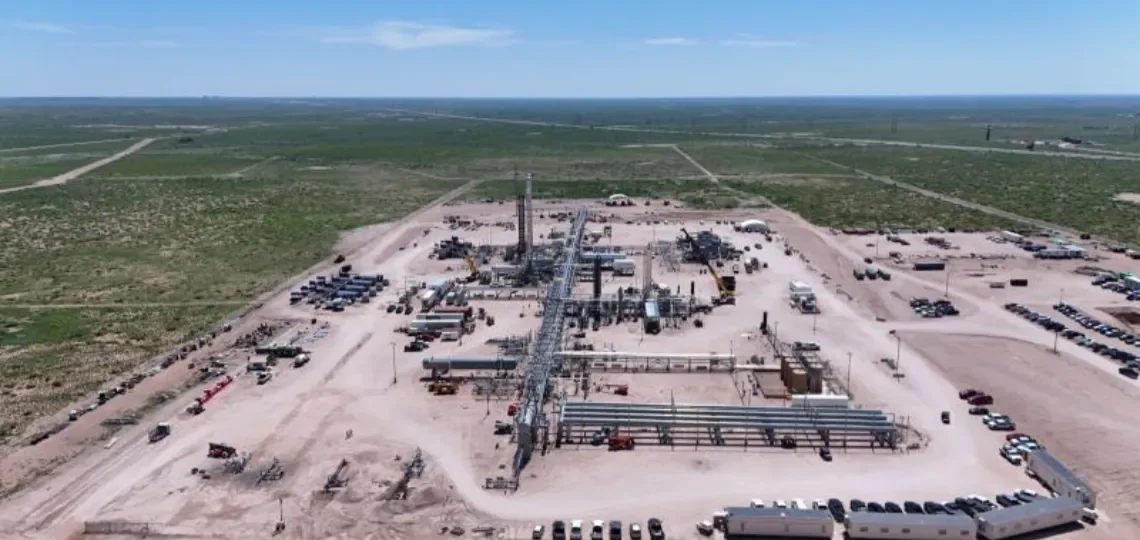
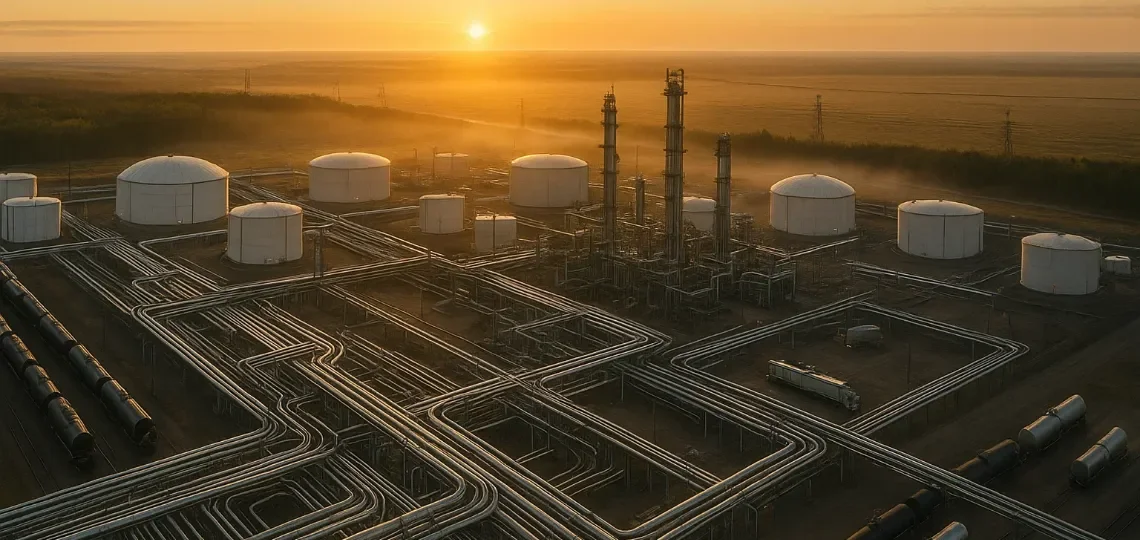
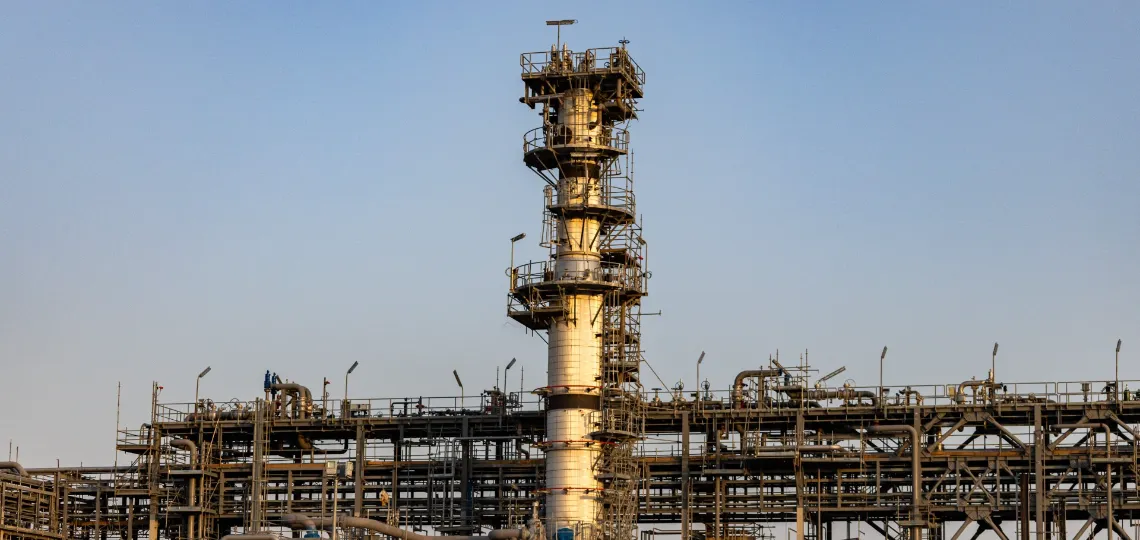
The Khor Mor gas field, the leading non-associated natural gas production site in Iraq’s Kurdistan Region, was targeted by a drone strike on November 26, resulting in the immediate shutdown of all operations. The attack cut off supply to four regional power plants, causing an estimated 2.6 gigawatts of power loss, or around 80% of the autonomous region’s electricity generation capacity.
The facility, located in Sulaymaniyah province, is operated by the Pearl Petroleum consortium, comprising Dana Gas and Crescent Petroleum (35% each), along with European groups OMV, MOL, and RWE (10% each). Khor Mor supplies gas to the Erbil, Chemchemal, Bazian and auxiliary power stations, covering the majority of domestic and industrial demand across the region.
A strategic asset at the core of Kurdistan’s energy system
Production at Khor Mor had recently reached 750 million standard cubic feet per day (MMscf/d), following the completion of the KM250 expansion project, valued at $1.1bn. This expansion added a new processing unit, compression capacity, storage infrastructure and pipeline connections, delivered eight months ahead of schedule.
The Kurdistan Regional Government (KRG) relies on this supply to provide continuous electricity access to more than six million residents. The abrupt supply disruption led to extended blackouts in multiple urban and industrial areas, forcing operators to switch to diesel or fuel-based generators, which are costlier and less efficient.
Repeated attacks and deteriorating security environment
Since 2022, the field has been targeted by repeated attacks. Rocket fire, explosive drones, and multiple intrusion attempts preceded the November 26 event. In April 2024, a similar drone strike killed several foreign workers, leading to temporary shutdowns and the withdrawal of contractors.
Despite enhanced security measures including radar, anti-drone netting and round-the-clock surveillance, the site’s persistent vulnerability raises concerns over operators’ ability to safeguard the infrastructure. Pearl Petroleum has so far maintained investment levels, backed in part by a $250mn loan from the US International Development Finance Corporation (DFC), reinforcing the geopolitical weight of the site.
Contractual consequences and revenue disruption
The production halt has suspended the delivery of natural gas, condensates and liquefied petroleum gas (LPG), directly impacting the consortium’s operational revenue and the KRG’s public income. The KM250 project, entering its ramp-up phase, now faces delays in achieving return on investment, despite being presented as a key element in regional energy stability.
Previous arbitration between Pearl Petroleum and the KRG—most notably resulting in a $2bn award—remains a structural legal risk. Although a settlement agreement was reached in 2017, contractual confidence remains weak, and renewed security incidents revive concerns over the reliability of bilateral commitments.
Diplomatic fallout and shifting priorities
The participation of international lenders, including US and Emirati institutions, places Khor Mor at the intersection of multiple geopolitical interests. Targeting a project funded by the DFC may be interpreted as a message to Washington and Abu Dhabi. The likely involvement of Iran-backed militias, already active in the region, strengthens this hypothesis.
Erbil may renew calls for US military assistance, particularly in the form of anti-drone defence systems. Such requests would increase the KRG’s reliance on foreign protection, while fuelling tensions with Baghdad, which continues to claim centralised control over Iraq’s energy resources and contracts.
Market shock and deteriorating investment climate
The shutdown has triggered widespread use of liquid fuels, raising production costs and undermining local industry competitiveness. Power distributors and large consumers such as cement and steel plants now face immediate price increases and uncertainty over future supply stability.
European majors involved in the project will need to reassess their exposure, particularly under internal staff safety regulations. The broader climate may discourage future investment or delay final investment decisions on existing or emerging projects.
Implications for regional energy diplomacy
The KRG has for years pursued gas export ambitions toward Turkey and eventually Europe, bypassing Baghdad. The Khor Mor attack undermines the credibility of that strategy. While Kurdistan’s gas reserves are considered significant—up to 200 trillion cubic feet—they cannot be monetised without minimum infrastructure security.
Turkey, which could benefit from an alternative energy corridor, will need to factor in this level of risk in its strategic planning. For European institutions, the incident reinforces the perception that Kurdistan cannot presently serve as a stable alternative to Russian or Azerbaijani supplies.