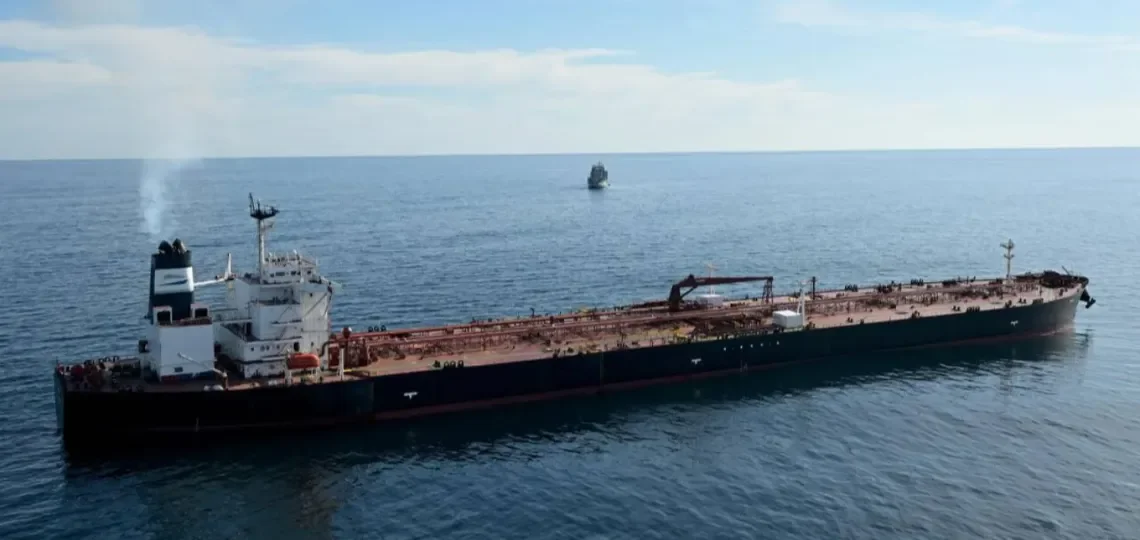
Romania places Lukoil under temporary control to prevent an energy crisis
Bucharest authorises an exceptional takeover of Lukoil’s local assets to avoid a supply shock while complying with international sanctions. Three buyers are already in advanced talks.
| Sectors | Oil, Refining |
|---|---|
| Themes | Regulation & Governance, Public Policy |
The Romanian government has adopted an emergency decree allowing the appointment of a special administrator to oversee the operations of local entities owned by companies under international sanctions. The move primarily targets Lukoil, whose Romanian assets represent a significant share of the country’s refining and fuel distribution capacity.
A containment mechanism without legal expropriation
The measure would allow the state to ensure business continuity without proceeding with a formal expropriation. The group retains legal ownership of its Romanian entities, but would lose operational control if special administration is triggered. This solution aims to limit the economic fallout of a sudden withdrawal while ensuring compliance with US and EU sanctions.
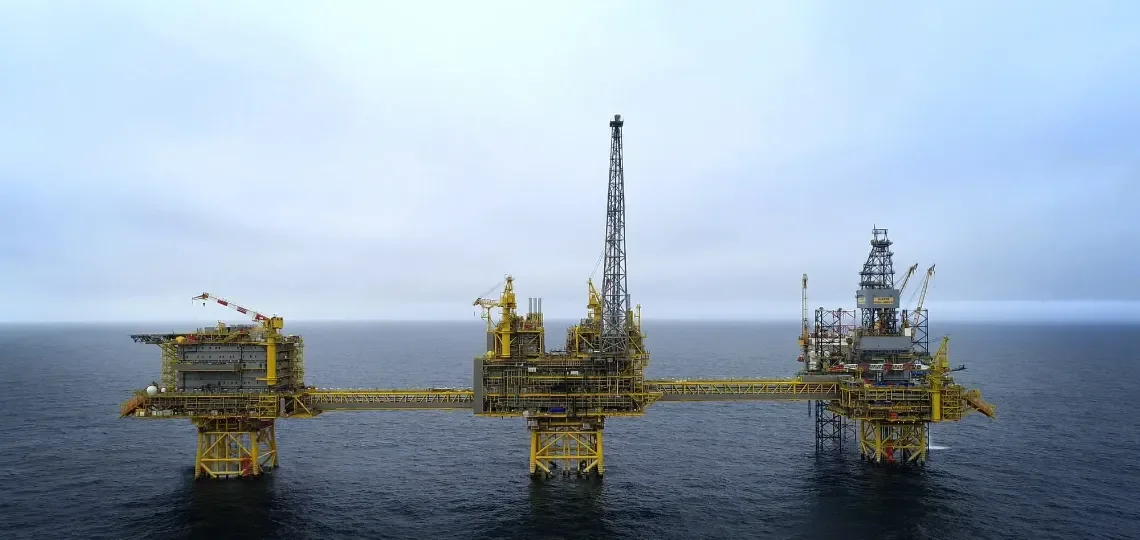
The decree also provides for the possible transfer of Lukoil’s exploration rights in the Trident and Est Rapsodia offshore blocks, in which the company holds an 85% stake alongside the Romanian state-owned company Romgaz. A legal framework has been established to enable Romgaz to take over the concession if necessary.
Avoiding a supply gap in the oil market
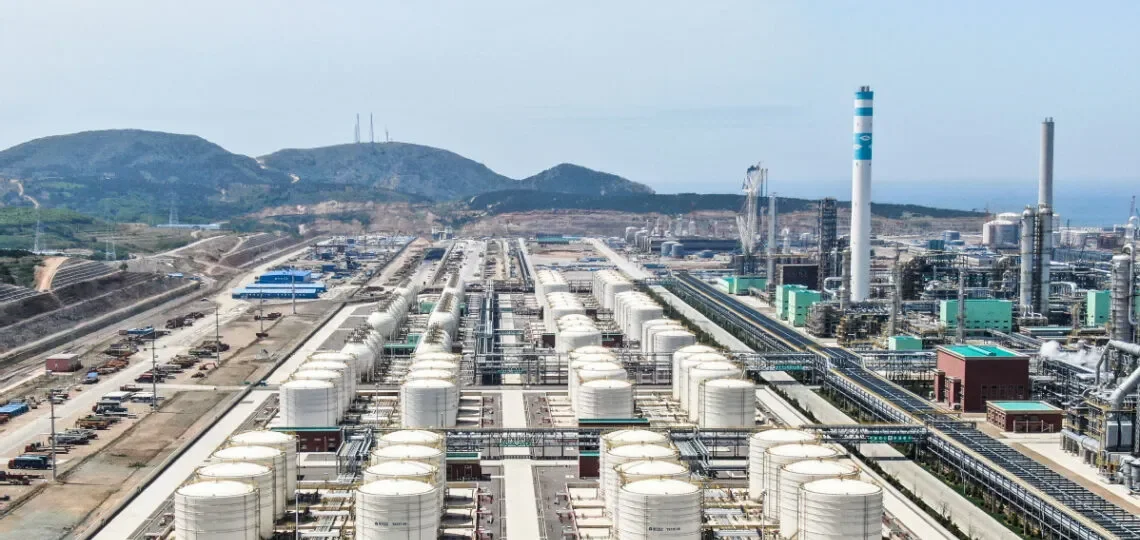
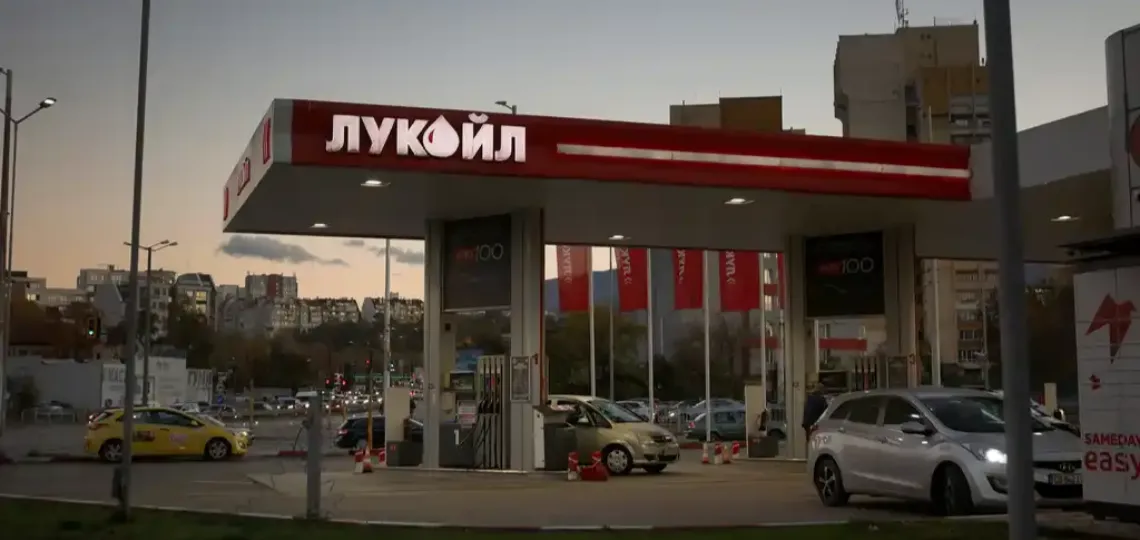
The Petrotel refinery in Ploiești processes around 2.4mn tonnes of crude oil per year, or nearly 25% of the country’s refining capacity. It is a key part of Romania’s petroleum infrastructure. Lukoil also operates 320 service stations, generating annual revenue exceeding RON11bn ($2.41bn).
A shutdown or prolonged stoppage of Petrotel would directly impact fuel supply and could strengthen the market dominance of rival groups, notably OMV Petrom and Rompetrol. The government says it has enough reserves to prevent a short-term price spike, but logistical tensions remain possible.
Three potential buyers in talks with Lukoil
Three unnamed groups are currently negotiating the acquisition of Lukoil’s Romanian assets, within a narrow timeframe authorised by general licences from the US Office of Foreign Assets Control (OFAC). These negotiations are described as a priority by the authorities, aiming for a rapid and orderly transition.
The Romanian model, partially inspired by legislation adopted in Bulgaria in November, allows temporary operational control without immediately affecting legal ownership. This flexibility provides Bucharest with leverage to steer discussions while keeping operations running.
Targeted reduction of Russian presence in critical infrastructure
The potential takeover of exploration rights in the Trident and Est Rapsodia blocks is part of a broader strategy to secure Romania’s offshore gas value chain. These permits, showing limited geological promise based on recent results, retain strategic value due to their Black Sea location.
The shift of public investment focus towards the Neptun Deep project, led by Romgaz and OMV Petrom, aims to make Romania the European Union’s leading natural gas producer by 2027. In this context, full control over offshore assets is viewed as a matter of energy sovereignty.
Implications for Lukoil and potential legal risks
The operational supervision of assets valued between $1.8bn and $2.5bn for Petrotel alone limits Lukoil’s ability to repatriate cash flow from Romania. This adds pressure to the company, which already recorded a 14% drop in net profit in 2024 and faces growing difficulties maintaining its European operations.
Previous disputes, notably in Bulgaria, suggest that Lukoil may consider legal action in international courts. Romania, for its part, justifies the measure on the grounds of energy security and sanctions compliance.