Turkey targets offshore deal with Syria in 2026 for energy exploration

Ankara is preparing a maritime exploration agreement with Damascus for 2026, marking a new phase in bilateral energy cooperation following a diplomatic rapprochement launched in 2025.
Share:

Comprehensive energy news coverage, updated nonstop

Annual subscription

8.25$/month*

*billed annually at 99$/year for the first year then 149,00$/year ​

Unlimited access • Archives included • Professional invoice

OTHER ACCESS OPTIONS

Monthly subscription

Unlimited access • Archives included

5.2$/month*
then 14.90$ per month thereafter

FREE ACCOUNT

3 articles offered per month

FREE

*Prices are excluding VAT, which may vary depending on your location or professional status

Since 2021: 35,000 articles • 150+ analyses per week

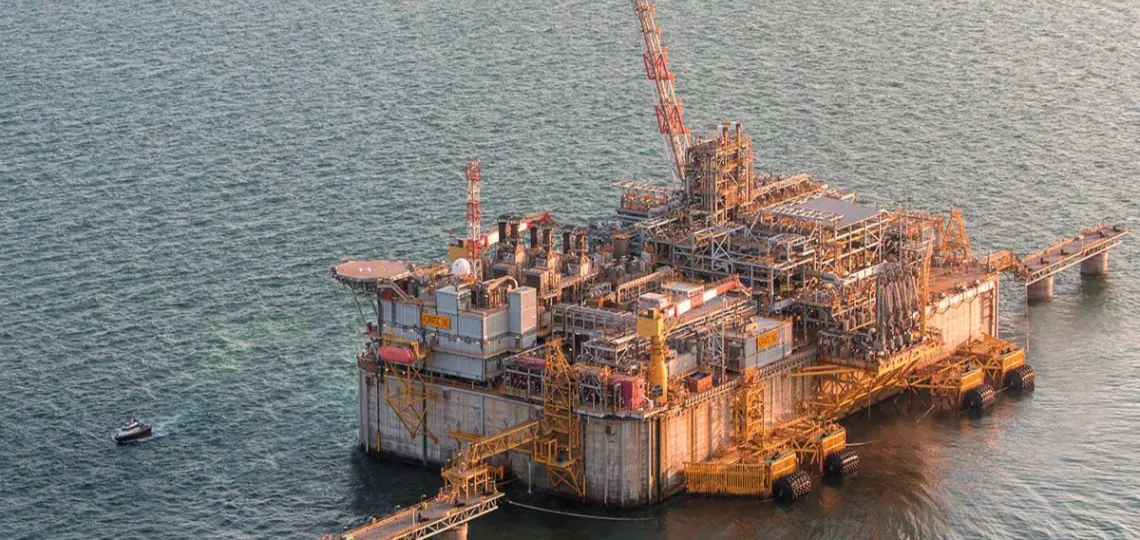
Turkey plans to conclude a specific agreement with Syria in 2026 to initiate offshore energy exploration. The initiative, announced by Turkish Minister of Energy Alparslan Bayraktar, follows the diplomatic and energy alignment between the two countries established during 2025.
A bilateral framework in preparation for offshore operations

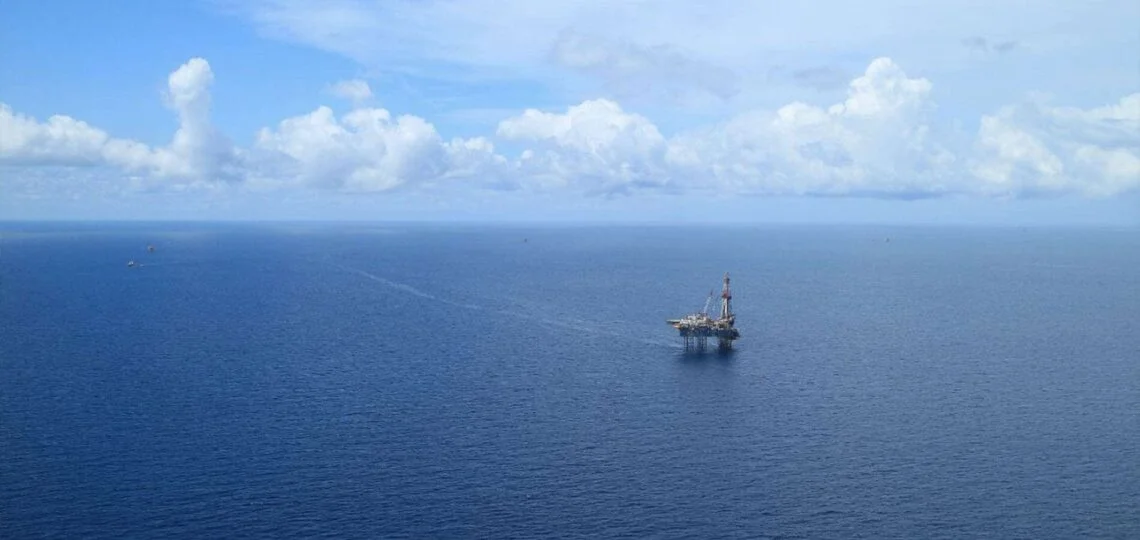
The Turkish minister stated that although a general framework agreement already exists with Syria, a separate legal document will be required to initiate offshore operations. Negotiations aim to establish a binding text allowing for preliminary seismic studies before any drilling decision. These geophysical surveys, the starting point for offshore projects, assess the geological structure of the seabed to evaluate hydrocarbon potential.

Bayraktar clarified that drilling activities are unlikely to begin before the specific agreement is signed. Initial operations will likely focus on technical assessments to gather the necessary data for a potential exploratory drilling programme.

Energy partnership launched in May 2025

An energy cooperation agreement was signed between Turkey and Syria in May 2025 in Damascus, covering energy, mining and hydrocarbons. Since the signature, several joint projects have been implemented, including the delivery of Azerbaijani gas to Syria through Turkey. These shipments, launched in the summer of 2025 via the Turkish province of Kilis, are part of Ankara’s efforts to support the reconstruction of Syria’s energy infrastructure.

The country’s infrastructure remains severely damaged after more than a decade of conflict, posing both logistical challenges and opportunities for regional technical cooperation.

Uncertain geological potential off the Syrian coast

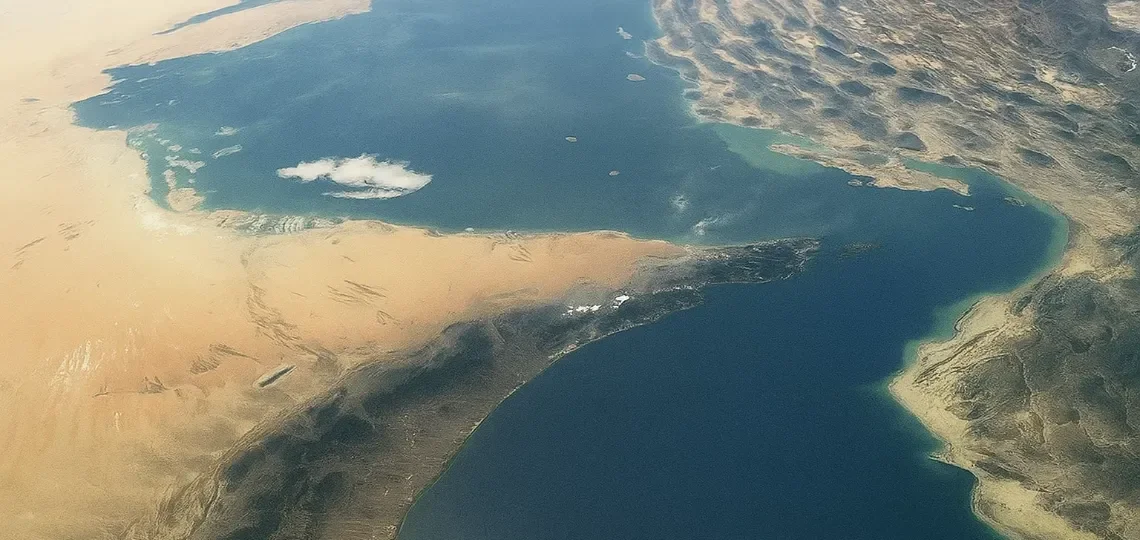
The Syrian maritime zone lies on the edge of the Levant Basin, a region in the eastern Mediterranean where several major gas discoveries have been made in recent years off the coasts of Israel, Cyprus and Egypt. A 2010 study by the U.S. Geological Survey (USGS) estimated that the basin could contain an average of 122 trillion cubic feet of undiscovered technically recoverable gas, along with 1.7 billion barrels of oil.

In Syria, offshore exploration has remained limited. A 2013 agreement between the Syrian government and Russian company Soyuzneftegaz failed to yield commercially viable results, with operations suspended due to war and international sanctions.

Eastern Mediterranean remains a sensitive area

Turkey’s growing involvement in the eastern Mediterranean adds to an energy policy characterised by heavy import dependency, with around 70% of its energy needs met through foreign sources. Despite domestic discoveries in the Black Sea, Ankara continues to pursue regional expansion strategies.

In 2020, diplomatic tensions erupted between Turkey and Greece, backed by France, following Turkish exploration plans in contested maritime zones. The deployment of the Oruç Reis research vessel triggered a military response involving Rafale fighter jets and French naval vessels. The offshore project with Syria may renew debates over maritime boundaries and exploitation rights in the eastern Mediterranean.

China reduces its mining presence in Canada and Greenland, constrained by hostile regulatory frameworks, and consolidates public investments in Arctic Russia to secure strategic supplies.
The Turkish president suggested to Vladimir Putin a limited ceasefire targeting Ukrainian ports and energy facilities to reduce risks to strategic assets and pave the way for negotiations.
New Delhi and Moscow strengthen their energy corridor despite US tariff and regulatory pressure, maintaining oil flows supported by alternative logistical and financial mechanisms.
The United States strengthens its energy presence in the Eastern Mediterranean by consolidating a gas corridor through Greece to Central Europe, to the detriment of Russian flows and Chinese logistical influence over the Port of Piraeus.
Paris and Beijing agree to create a bilateral climate task force focused on nuclear technologies, renewable energy and maritime sectors, amid escalating trade tensions between China and the European Union.
Ankara plans to invest in US gas production to secure LNG supply and become a key supplier to Southern Europe, according to the Turkish Energy Minister.
Three Russian tankers targeted off the Turkish coast have reignited Ankara’s concerns about oil and gas supply security in the Black Sea and the vulnerability of its subsea infrastructure.
Bucharest authorises an exceptional takeover of Lukoil’s local assets to avoid a supply shock while complying with international sanctions. Three buyers are already in advanced talks.
European governments want to add review and safeguard mechanisms to the trade deal with Washington to prevent a potential surge of US imports from disrupting their industrial base.
The Khor Mor gas field, operated by Pearl Petroleum, was hit by an armed drone, halting production and causing power outages affecting 80% of Kurdistan’s electricity capacity.
Global South Utilities is investing $1 billion in new solar, wind and storage projects to strengthen Yemen's energy capacity and expand its regional influence.
British International Investment and FirstRand partner to finance the decarbonisation of African companies through a facility focused on supporting high-emission sectors.
Budapest moves to secure Serbian oil supply, threatened by Croatia’s suspension of crude flows following US sanctions on the Russian-controlled NIS refinery.
Moscow says it wants to increase oil and liquefied natural gas exports to Beijing, while consolidating bilateral cooperation amid US sanctions targeting Russian producers.
The European Investment Bank is mobilising €2bn in financing backed by the European Commission for energy projects in Africa, with a strategic objective rooted in the European Union’s energy diplomacy.
Russia faces a structural decline in energy revenues as strengthened sanctions against Rosneft and Lukoil disrupt trade flows and deepen the federal budget deficit.
Washington imposes new sanctions targeting vessels, shipowners and intermediaries in Asia, increasing the regulatory risk of Iranian oil trade and redefining maritime compliance in the region.
OFAC’s licence for Paks II circumvents sanctions on Rosatom in exchange for US technological involvement, reshaping the balance of interests between Moscow, Budapest and Washington.
Finland, Estonia, Hungary and Czechia are multiplying bilateral initiatives in Africa to capture strategic energy and mining projects under the European Global Gateway programme.
The Brazilian president calls for a voluntary and non-binding energy transition during COP30 in Belém, avoiding direct confrontation with oil-producing countries.

All the latest energy news, all the time

Annual subscription

8.25$/month*

*billed annually at 99$/year for the first year then 149,00$/year ​

Unlimited access - Archives included - Pro invoice

Monthly subscription

Unlimited access • Archives included

5.2$/month*
then 14.90$ per month thereafter

*Prices shown are exclusive of VAT, which may vary according to your location or professional status.

Since 2021: 30,000 articles - +150 analyses/week.