
France and China have announced their intention to structure a climate task force aimed at strengthening energy cooperation. This body will cover civil nuclear, renewable energy and maritime transport. The first meeting is expected in 2026, with the objective of steering concrete projects rather than introducing new multilateral agreements. The initiative comes as trade frictions intensify between Beijing and Brussels.
A technical framework beyond multilateral approaches
This task force will align with existing international frameworks such as the United Nations Framework Convention on Climate Change (UNFCCC), the Paris Agreement, and the 2023 strategy of the International Maritime Organization (IMO). It aims to bring European regulations and Chinese standards closer to securing investments in energy supply chains. For France, maintaining access to China’s industrial capacity is key to meeting targets for nuclear and renewable deployment. For China, the bilateral channel allows engagement with a key EU member state without relying solely on Brussels.
Civil nuclear is identified as a priority area, with joint support for tripling global capacity by 2050. French companies could explore joint ventures in third countries with Chinese financial and industrial backing. Chinese nuclear actors, meanwhile, see in this dialogue an opportunity to validate their technologies in markets that remain cautious.
Shipping and renewables at the heart of economic stakes
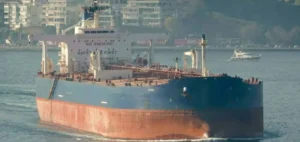
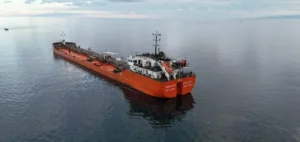
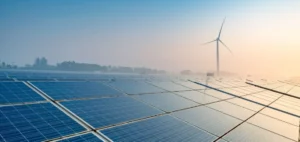
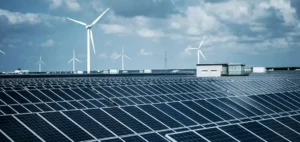
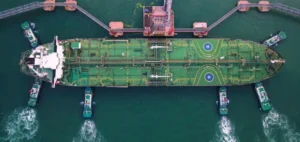
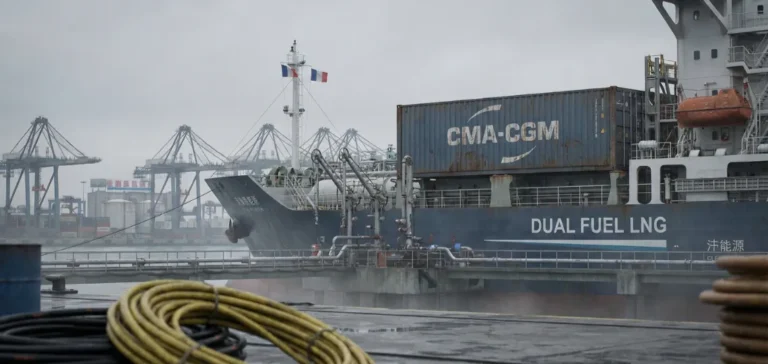
In the maritime sector, Franco-Chinese alignment on net-zero emissions by 2050 offers shipowners regulatory visibility on fleet and fuel transitions. This outlook could accelerate investments in dual-fuel vessels and dedicated port infrastructure. Simultaneously, China dominates the production of solar panels, batteries and wind turbine components, giving it significant influence in discussions over traceability standards and carbon footprint methodologies.
Any industrial cooperation will need to comply with European requirements on supply chain controls and state aid regulations. Companies will also need to navigate a compliance environment shaped by existing international sanctions. The joint nuclear strategy is already backed by over 30 countries supporting a common development path for the sector.