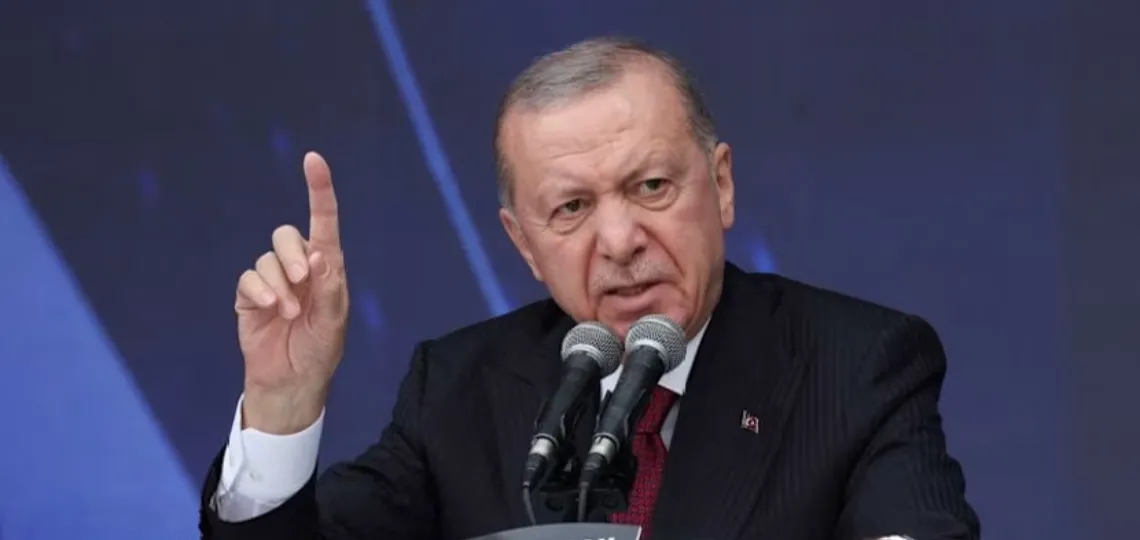
President of the Republic of Türkiye, Recep Tayyip Erdogan, proposed to his Russian counterpart Vladimir Putin a limited ceasefire focusing exclusively on ports and energy infrastructure located in Ukraine. This initiative was raised during a bilateral meeting held in Turkmenistan. The Turkish government specified that the proposal aimed to reduce escalation risks around critical installations and create a more favourable climate for renewed dialogue.
Heightened tensions around maritime infrastructure
This proposal comes amid rising tensions in the Black Sea, with several attacks claimed by Ukraine on ships associated with Russia. In late November, Recep Tayyip Erdogan had already mentioned this possibility during a videoconference involving around thirty countries supporting Kyiv. At that time, he presented the idea of a partial ceasefire as a diplomatic lever that could help unlock discussions toward a comprehensive peace agreement.
Ukrainian President Volodymyr Zelensky expressed support for the initiative, while also expressing scepticism about Moscow’s stance. According to him, the Russian Federation will not agree to any limited truce without prior guarantees of a global accord. Despite this reservation, Kyiv did not reject the Turkish proposal, underlining the stakes linked to the protection of energy infrastructure.
Türkiye between mediation and strategic neutrality
As a member of the North Atlantic Treaty Organization (NATO), Türkiye continues to play a mediating role between both parties. Ankara has not adopted the economic sanctions imposed by Western countries on Russia, while continuing to supply military equipment to Ukraine, notably tactical drones. This dual posture enables Türkiye to keep communication channels open with both capitals.
Since the start of the conflict, several rounds of discussions have taken place on Turkish soil. Although no significant progress has been made, these talks have led to the organisation of several prisoner exchange operations. The proposals for a targeted ceasefire fall within this broader strategy of managing the conflict incrementally.
Energy assets at the centre of regional concerns
Ukraine’s energy infrastructure has become a regular target in the conflict. The energy sector, particularly transport networks, refineries and port terminals, plays a central role in the region’s economic stability. Any prolonged disruption of these facilities could lead to direct consequences on the regional supply of raw materials, including natural gas, coal and petroleum products.
Discussions around protecting such assets could serve as a strategic entry point to limit the impact of hostilities on regional energy markets. No timeline or negotiation framework has been announced at this stage.