Ukraine: Russian attacks on energy and rail infrastructure

Russian forces carried out a massive attack on Ukrainian energy infrastructure, injuring at least six people. The strikes also targeted railroads, disrupting the transport of goods and military supplies.

Share:

Frappes russes sur infrastructures énergétiques et ferroviaires ukrainiennes

Comprehensive energy news coverage, updated nonstop

Annual subscription

8.25$/month*

*billed annually at 99$/year for the first year then 149,00$/year ​

Unlimited access • Archives included • Professional invoice

OTHER ACCESS OPTIONS

Monthly subscription

Unlimited access • Archives included

5.2$/month*
then 14.90$ per month thereafter

FREE ACCOUNT

3 articles offered per month

FREE

*Prices are excluding VAT, which may vary depending on your location or professional status

Since 2021: 35,000 articles • 150+ analyses per week

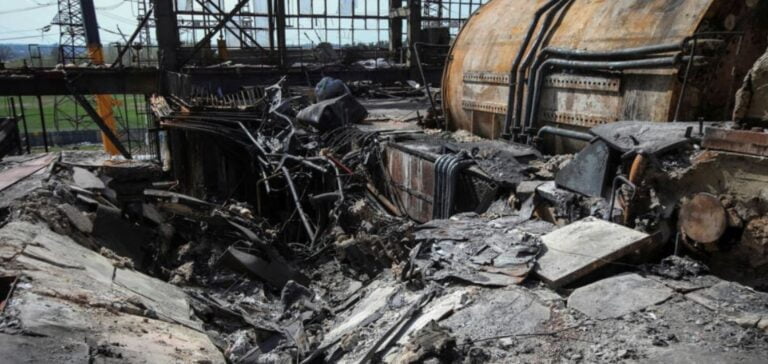
On Tuesday night, Russian forces attacked Ukraine’s energy infrastructure. These coordinated strikes left at least six people injured, including an eight-year-old child. DTEK, the main private investor in the energy sector, reports that three thermal power plants have suffered serious damage. Its facilities have been bombed 180 times since the start of the war in 2022, affecting power plants and refineries alike.

Ukraine’s defense efforts

Despite the intensity of the Russian attacks, the Ukrainian air force managed to shoot down 39 of the 55 missiles launched, as well as 20 of the 21 enemy drones. However, injuries were reported in the Dnipropetrovsk and Kirovograd regions, and in Brovary, near Kiev. In Kiev, Russian Tu-95MS bombers launched cruise missiles, but all were intercepted by Ukrainian air defense. These strikes targeted the regions of Poltava, Kirovograd, Zaporijjia, Lviv, Ivano-Frankivsk and Vinnytsia, depriving many towns of electricity. Kherson is also “partially without electricity”, said regional governor Oleksandre Prokoudine.

Ukrainian Energy Minister German Galushchenko said on Telegram, “The enemy is not giving up its plans to deprive Ukrainians of light.”

Attacks on the railways

Russian forces also targeted Ukraine’s railway infrastructure. Bombing damaged tracks in the Kherson region, limiting traffic on one of the lines. For several months now, Russia has been stepping up its attacks on the railways. These infrastructures are vital for trade, civilian transport and military supplies. Moscow hopes to disrupt the transport of military equipment from the West by targeting these infrastructures. Ukraine, which has had no civilian air traffic since the start of the Russian invasion, relies heavily on trains.

Russian strategic objectives

Russia has stepped up its attacks in the run-up to May 9, the date of Russian national celebrations commemorating victory in the Second World War. The Ukrainian authorities believe that Moscow is taking advantage of the arms shortage in Ukraine. By targeting energy and transport, Moscow aims to weaken Ukraine’s ability to defend its territory. The Russian capital also wants to maintain its resilience in the face of the offensive.
Russian attacks on Ukraine’s energy and rail infrastructure demonstrate Moscow’s determination to undermine the country’s defense capabilities and economy. Despite Ukrainian resistance, the massive strikes continue to threaten the stability and well-being of civilians.
China reduces its mining presence in Canada and Greenland, constrained by hostile regulatory frameworks, and consolidates public investments in Arctic Russia to secure strategic supplies.
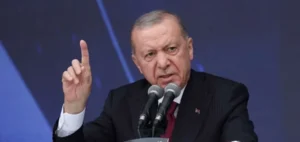
The Turkish president suggested to Vladimir Putin a limited ceasefire targeting Ukrainian ports and energy facilities to reduce risks to strategic assets and pave the way for negotiations.
New Delhi and Moscow strengthen their energy corridor despite US tariff and regulatory pressure, maintaining oil flows supported by alternative logistical and financial mechanisms.
The United States strengthens its energy presence in the Eastern Mediterranean by consolidating a gas corridor through Greece to Central Europe, to the detriment of Russian flows and Chinese logistical influence over the Port of Piraeus.
Paris and Beijing agree to create a bilateral climate task force focused on nuclear technologies, renewable energy and maritime sectors, amid escalating trade tensions between China and the European Union.
Ankara plans to invest in US gas production to secure LNG supply and become a key supplier to Southern Europe, according to the Turkish Energy Minister.
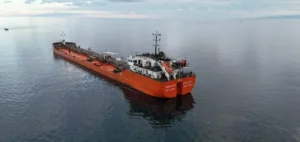
Three Russian tankers targeted off the Turkish coast have reignited Ankara’s concerns about oil and gas supply security in the Black Sea and the vulnerability of its subsea infrastructure.
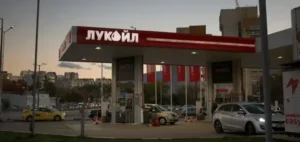
Bucharest authorises an exceptional takeover of Lukoil’s local assets to avoid a supply shock while complying with international sanctions. Three buyers are already in advanced talks.
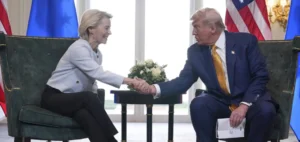
European governments want to add review and safeguard mechanisms to the trade deal with Washington to prevent a potential surge of US imports from disrupting their industrial base.
The Khor Mor gas field, operated by Pearl Petroleum, was hit by an armed drone, halting production and causing power outages affecting 80% of Kurdistan’s electricity capacity.
Global South Utilities is investing $1 billion in new solar, wind and storage projects to strengthen Yemen's energy capacity and expand its regional influence.
British International Investment and FirstRand partner to finance the decarbonisation of African companies through a facility focused on supporting high-emission sectors.
Budapest moves to secure Serbian oil supply, threatened by Croatia’s suspension of crude flows following US sanctions on the Russian-controlled NIS refinery.
Moscow says it wants to increase oil and liquefied natural gas exports to Beijing, while consolidating bilateral cooperation amid US sanctions targeting Russian producers.
The European Investment Bank is mobilising €2bn in financing backed by the European Commission for energy projects in Africa, with a strategic objective rooted in the European Union’s energy diplomacy.
Russia faces a structural decline in energy revenues as strengthened sanctions against Rosneft and Lukoil disrupt trade flows and deepen the federal budget deficit.
Washington imposes new sanctions targeting vessels, shipowners and intermediaries in Asia, increasing the regulatory risk of Iranian oil trade and redefining maritime compliance in the region.
OFAC’s licence for Paks II circumvents sanctions on Rosatom in exchange for US technological involvement, reshaping the balance of interests between Moscow, Budapest and Washington.
Finland, Estonia, Hungary and Czechia are multiplying bilateral initiatives in Africa to capture strategic energy and mining projects under the European Global Gateway programme.
The Brazilian president calls for a voluntary and non-binding energy transition during COP30 in Belém, avoiding direct confrontation with oil-producing countries.

All the latest energy news, all the time

Annual subscription

8.25$/month*

*billed annually at 99$/year for the first year then 149,00$/year ​

Unlimited access - Archives included - Pro invoice

Monthly subscription

Unlimited access • Archives included

5.2$/month*
then 14.90$ per month thereafter

*Prices shown are exclusive of VAT, which may vary according to your location or professional status.

Since 2021: 30,000 articles - +150 analyses/week.