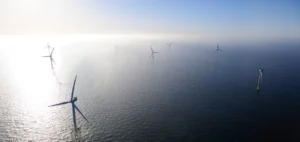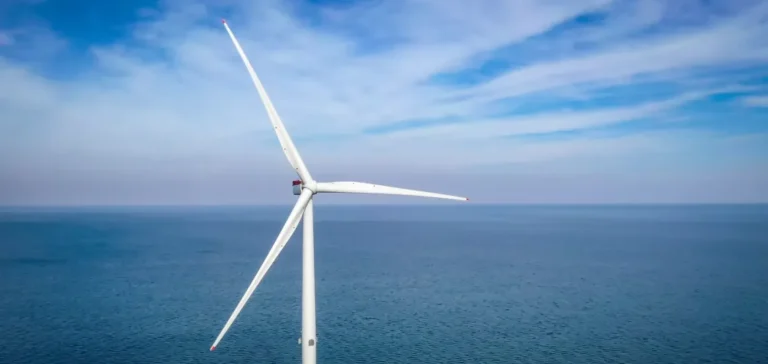

Since the commissioning of the Blyth offshore wind farm in 2000, considered the world’s first truly offshore wind installation, offshore wind has become the second-largest source of electricity generation in the United Kingdom. According to new analysis published on December 8, the technology now supplies 17% of the country’s electricity production.
Growth supported by coastal industrialisation
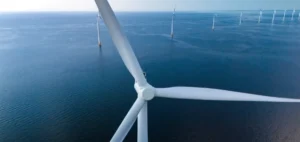
The sector now comprises 47 operational wind farms with a combined installed capacity of 16 gigawatts (GW), enough to power more than 16 million homes. In the past two years, around 7,000 new jobs have been created, bringing the total workforce in offshore wind to 40,000. Rapid technological advancement means that a single turbine at the Moray West site now generates three times more power than the entire original Blyth installation.
British port infrastructure plays a central role in supporting this expansion. More than 2,000 companies are involved in the wind energy supply chain, with major investments made in ports including Hull, Inverness, Grimsby, and most recently Cromarty Firth, where £55mn ($69mn) in funding has been committed to support deep-water turbine projects.
Dogger Bank: flagship project and technical advances
The Dogger Bank project, currently under construction, reflects the industry’s ambitions. With a projected capacity of 3.6 GW, it will become the world’s largest offshore wind farm once operational. Located in deep sea, Dogger Bank is the first UK wind farm to employ High Voltage Direct Current (HVDC) transmission and turbines exceeding 10 megawatts. It is expected to power six million homes.
The UK’s development strategy is built on expanding this industrial sector by focusing on innovation and local deployment. The dual objective is to secure energy supply and support coastal economies. Despite global uncertainties, both public and private investment continue to sustain deployment.
Outlook for the coming decades
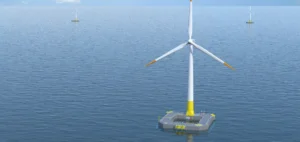
Institutional actors stress the need to prepare for the next phase of growth, notably through floating offshore wind. The UK market structure, combined with a skilled local workforce and strong infrastructure, positions the country to continue playing a leading role in global offshore wind development.
The UK government, through initiatives such as Great British Energy, aims to consolidate the national supply chain and export the expertise gained since 2000. The focus is now on strengthening supply networks, training the workforce, and maintaining investor confidence.