Citgo shifts under Elliott control for $5.9bn pending U.S. approval
A Delaware court approved the sale of PDV Holding shares to Elliott’s Amber Energy for $5.9bn, a deal still awaiting a U.S. Treasury licence through OFAC.

| Sectors | Oil, Refining |
|---|---|
| Themes | Policy & Geopolitics, Energy Security |
Amber Energy, an investment vehicle affiliated with Elliott Investment Management, has secured the judicial auction of PDV Holding Inc. shares, parent company of Citgo Petroleum Corporation, for $5.9bn. The transaction, authorised by a federal judge in Delaware, concludes a long-standing legal dispute between Venezuela and a group of creditors, but remains conditional on a final licence from the U.S. Department of the Treasury’s Office of Foreign Assets Control (OFAC).
A legal structure designed to bypass Venezuelan sovereignty
PDV Holding is a U.S.-based intermediary company between Petróleos de Venezuela S.A. (PDVSA) and Citgo. This structure enables U.S. courts to target a strategic asset without breaching sovereign immunity principles. The court deemed PDV Holding an “alter ego” of the Venezuelan state, making its shares seizable to satisfy international arbitration awards.
A strategic asset sold well below past valuations
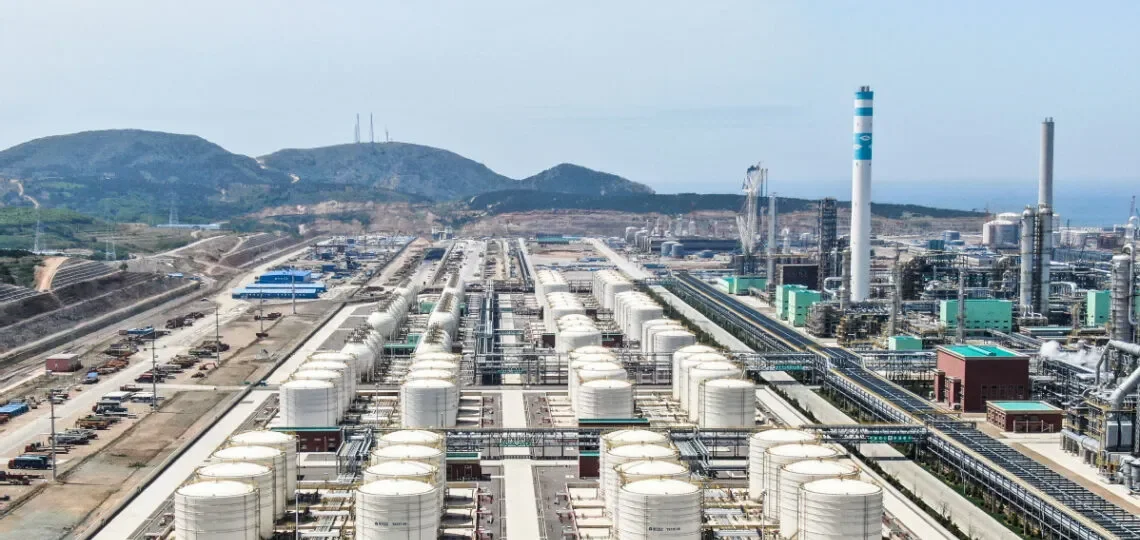
Citgo operates three refineries with a combined throughput of around 829,000 barrels per day, along with 43 terminals and 4,000 retail stations across the U.S. In 2023, it was valued as high as $40bn based on internal estimates. The current transaction reflects a significant discount, attributed to legal uncertainties, litigation risks and the impact of sanctions imposed since 2019.
Multiple creditors, weakened opposition and lost leverage for Caracas
The main beneficiaries include Crystallex, ConocoPhillips, Koch Industries, Rusoro and other companies holding arbitration awards totalling over $20bn. Neither the Venezuelan government nor PDVSA will receive proceeds from the sale, further deepening the rift with the opposition, which had controlled Citgo since 2019 and will now lose access to its revenue and strategic leverage.
Geopolitical stakes high amid regional tension
The judicial sale coincides with increased U.S. naval presence in the Caribbean, officially tied to anti-narcotics operations. Caracas sees the combination of sanctions, military pressure and judicial seizures as a coordinated strategy to economically isolate the country and undermine state revenue channels.
OFAC holds the key to closing the transaction
Despite court approval, the sale cannot be finalised without a specific OFAC licence. The U.S. Treasury retains discretion to delay, alter or block the transaction based on political considerations, including upcoming Venezuelan elections or negotiations on detainees. This preserves Washington’s ability to link legal enforcement with diplomatic goals.
Amber Energy prepares industrial restructuring of Citgo
The new owner plans to retain Citgo’s infrastructure, optimise operations, and pursue targeted investments. In the short term, oil flows are expected to remain unchanged as Citgo already sources crude from the U.S. and Latin America. Now free from PDVSA influence, Citgo may pursue a profit-focused strategy independent of geopolitical considerations.