Vattenfall files application for 2.9GW onshore wind farm in Sweden
The Swedish energy group aims to produce 9TWh per year with its Storlandet project, intended to meet rising demand from the mining and steel industries in the north of the country.
| Sectors | Wind Energy, Onshore |
|---|---|
| Themes | Investments & Transactions, Project Finance |
| Companies | Vattenfall |
| Countries | Sweden |
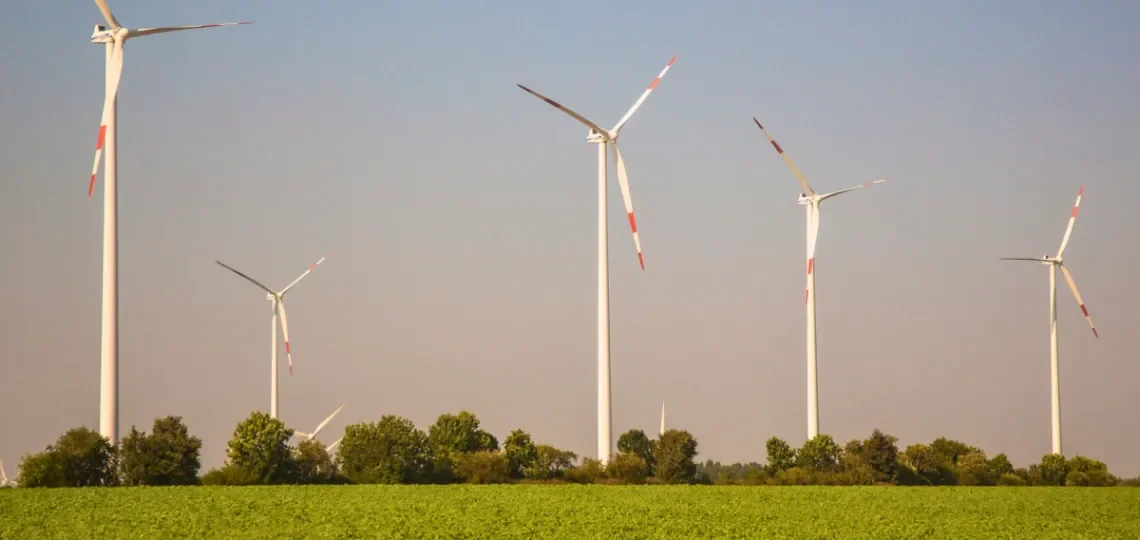
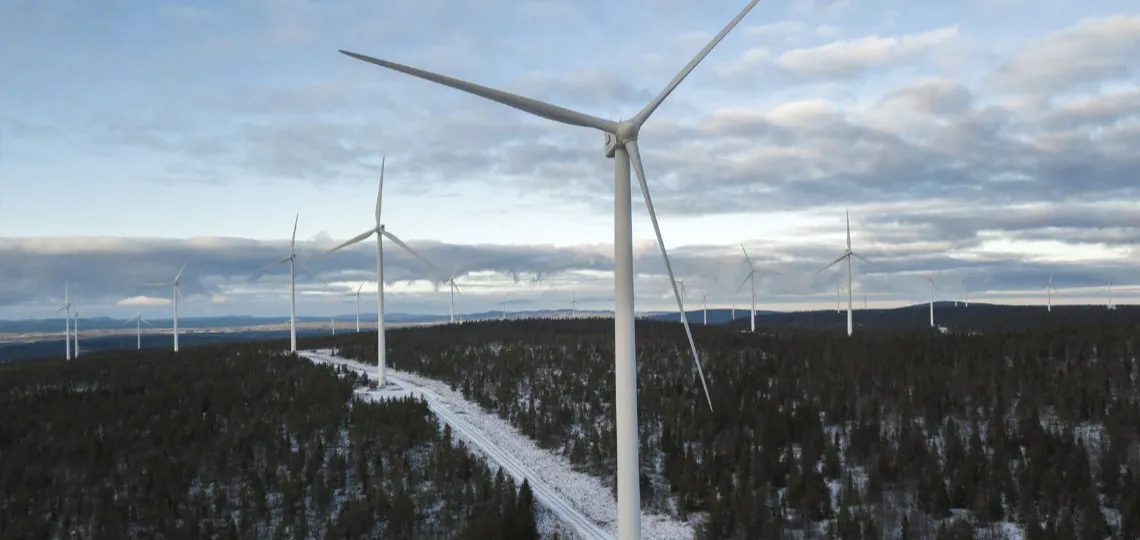
Vattenfall has filed an official application with the Land and Environmental Court at Umeå District Court for its Storlandet onshore wind farm project, with a capacity of 2,900 megawatts (MW), located in the municipality of Gällivare in northern Sweden. The group stated that the project could produce around 9 terawatt-hours (TWh) of electricity per year, which would make it one of the largest onshore wind developments in Northern Europe.
Meeting industrial sector needs
Vattenfall indicated that Storlandet aims to support the scaling-up of electrification in the region’s extractive and metallurgical industries. The expected increase in energy demand comes in particular from plans to transform steelmaking towards low-emission processes, especially in the production of steel without coal.
The Storlandet project forms part of Vattenfall’s strategy to support the rise of so-called ‘fossil-free’ industries, although the company acknowledged that demand for energy without fossil fuels is not evolving as quickly as expected. Nevertheless, it intends to anticipate this dynamic and be ready to deliver new capacity as industrial investments progress.
A milestone towards potential investments
The initiative constitutes a preliminary step ahead of final investment decisions, according to Vattenfall. The company regards this project as a central element in the energy development of northern Sweden, a region set to become an industrial hub supplied by decarbonised sources.
With a planned capacity exceeding several of the group’s previous projects, Storlandet would represent an important lever to consolidate northern Sweden’s strategic position in the European energy landscape. The project will, however, require the granting of environmental permits before any construction phase.