Eurus Energy targets 2029 for restart of Soya Misaki wind farm in Japan
Japanese group Eurus Energy has completed the environmental assessment for its 60.2MW repowering project in Wakkanai, with commissioning targeted for April 2029.
| Sectors | Wind Energy, Onshore |
|---|---|
| Themes | Project Development, Industry & Execution, Repowering |
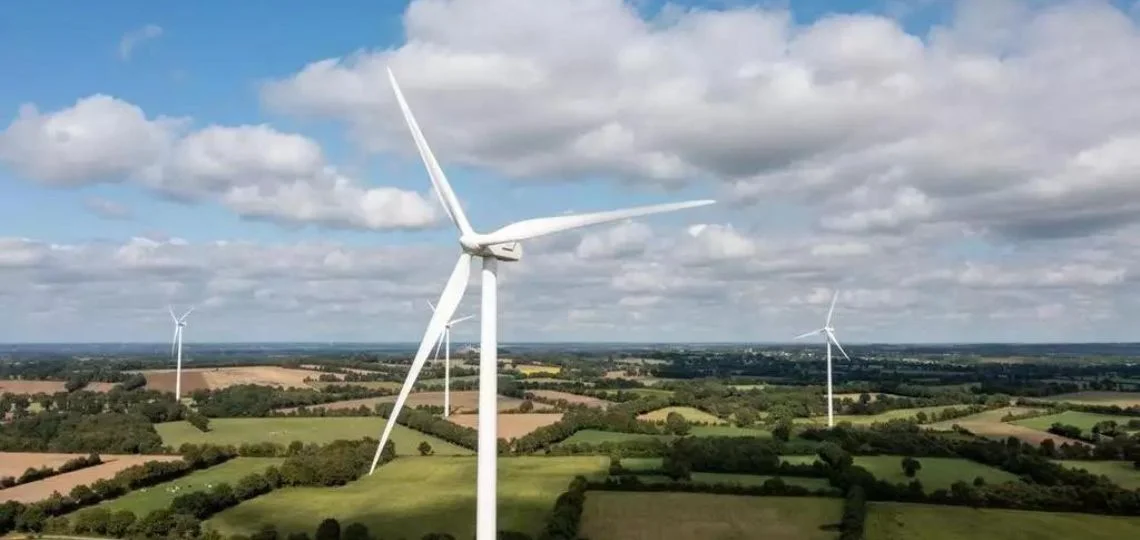
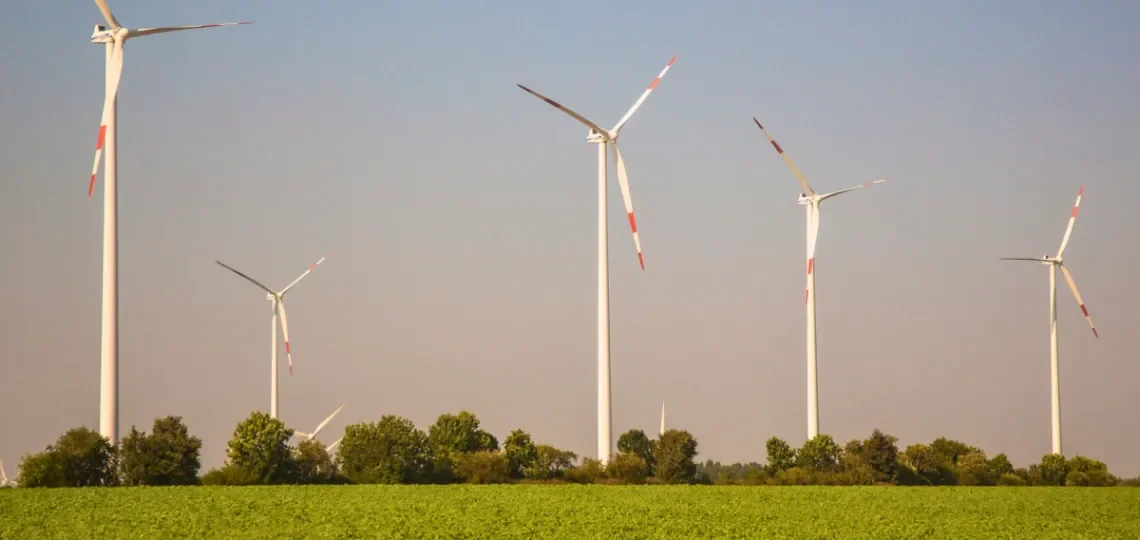
Eurus Energy Holdings, through its dedicated special purpose company Eurus Soya Misaki Furyoku, has received approval from the Ministry of Economy, Trade and Industry for the reconstruction of its Soya Misaki wind farm located in Wakkanai, on the island of Hokkaido. The project involves dismantling the 57 existing 1MW turbines, in operation since 2005, and replacing them with 14 turbines of 4.3MW each, for a total installed capacity of 60.2MW.
Project limited by grid connection constraints
Despite the higher nominal capacity of the new turbines, the maximum output of the revamped wind farm will remain capped at 57MW, due to restrictions set by the local grid operator. The environmental impact assessment, launched in 2018, was finalised and submitted in September, with public disclosure in November. Construction is scheduled to begin in March 2026 and continue until October 2028. Commercial operations are expected to start in April 2029 following a trial period.
Part of a wider regional portfolio
The Soya Misaki site is part of a network of assets operated by Eurus Energy in the Dohoku region, which also includes the Tempoku (30MW) and Kabaoka (42MW) wind farms, commissioned in 2018 and 2024 respectively. These facilities are part of a larger 434.5MW portfolio comprising six power plants. Several other projects in the area are undergoing assessment, including Masuhoro (up to 88MW) and Soya Kyuryo (up to 155.8MW), for which reports were submitted in 2016 and 2022.
Japan’s leading repowering player
Eurus Energy, Japan’s largest onshore wind operator with over 3GW of installed capacity, is also pursuing multiple repowering projects for ageing assets. The group has initiated replacement works at the Mameda (10.5MW), Kihoku I (20.8MW), and Odanosawa (13MW) wind farms, reflecting a strategy to modernise its ageing infrastructure while maximising use of existing land and grid connections.