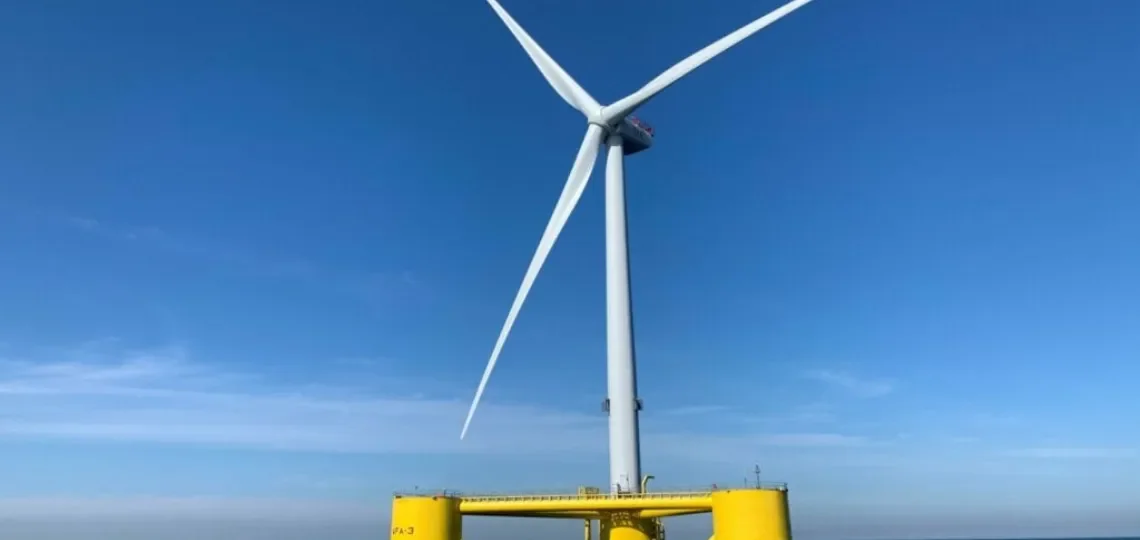
Kazakhstan launches tenders for 3 GW of renewable capacity by 2026
Kazakhstan plans to allocate 3 GW of wind and solar projects by the end of 2026 through public tenders, with a first 1 GW tranche in 2025, amid efforts to modernise its power system.
| Sectors | Wind Energy, Solar Energy, Photovoltaic, Onshore |
|---|---|
| Themes | Regulation & Governance, Public Policy |
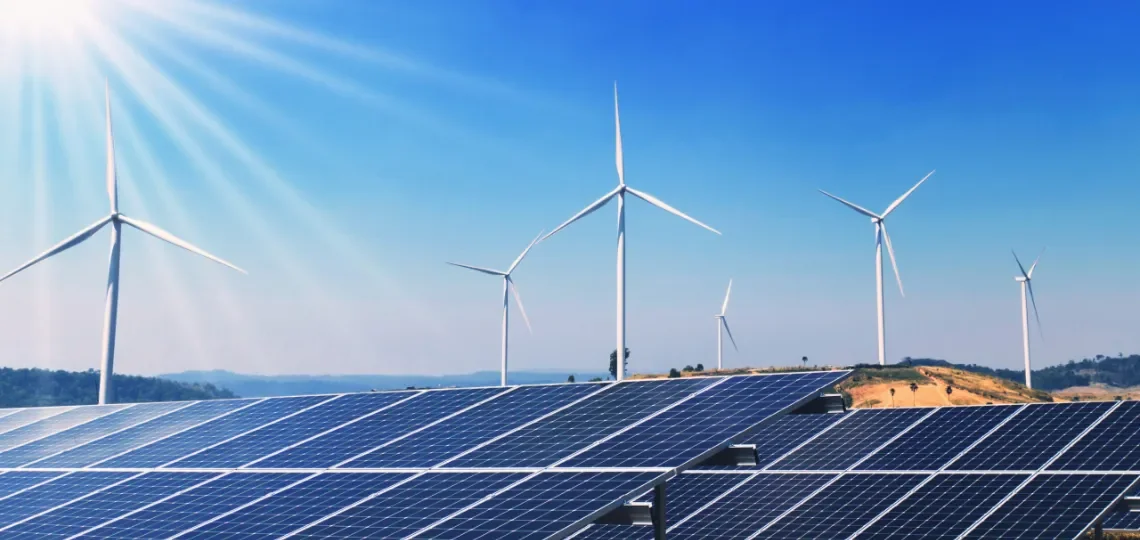
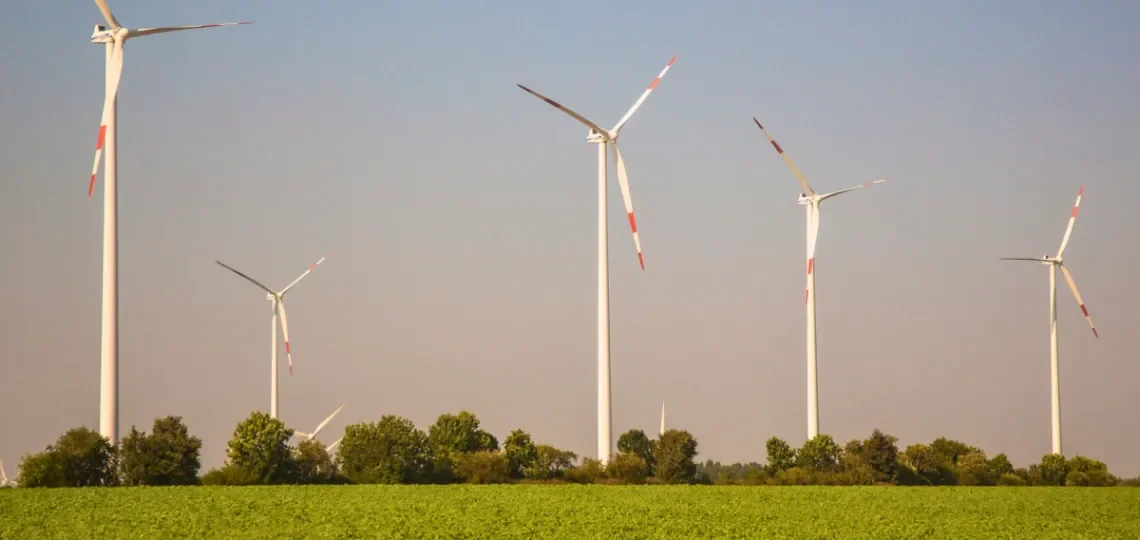
The Kazakh government has unveiled a tender programme aimed at developing 3 GW of new renewable capacity by 2026. The Ministry of Energy of Kazakhstan confirmed that the first phase, covering 1 GW, will be auctioned in 2025, including solar and wind projects distributed across multiple regions of the country.
The mechanism is based on long-term power purchase agreements guaranteed by the public system. The ceiling tariff applicable to projects will be updated annually in line with market data and development costs. The framework is designed to attract investment amid rising demand and the ageing of existing thermal assets.
Regional deployment to stabilise supply
Authorities announced that the selected sites would be spread across six priority regions, targeting areas with structural imbalances between production and consumption. Kazakhstan, whose grid remains segmented between north and south, aims to rebalance generation geographically to reduce transmission losses and improve stability.
The national grid operator Kazakhstan Electricity Grid Operating Company (KEGOC) will integrate these new capacities into its transmission development strategy, particularly in the Aktobe, Jambyl and Atyrau regions. The plan aims to reduce reliance on ageing thermal power stations, which have proved unreliable during demand peaks.
An energy mix still dominated by fossil fuels
Currently, more than 70% of Kazakhstan’s electricity is generated from coal and natural gas. Most power plants date back to the Soviet era and present operational risks, according to the Kazakh Ministry of Industry. Frequent technical failures have highlighted the urgency of diversifying energy sources.
The tender programme is part of a medium-term security of supply strategy, intended to minimise disruptions and strengthen Kazakhstan’s appeal to private investors. Regulatory reforms are underway to harmonise grid access rules and simplify permitting procedures.
Open to international players
The process will be open to foreign companies with a local office or a registered partner in Kazakhstan. Energy groups from the United Arab Emirates, China, Germany and Turkey have already expressed interest during 2025 sectoral events held in Astana.
Results from the first phase are expected in the fourth quarter of 2025. Selected projects must begin construction within 12 months of contract signing. No direct subsidy scheme is planned, but payment guarantees and the ability to repatriate revenues in foreign currency are seen as investment incentives.