Ukraine: Decentralizing energy to counter Russian attacks
In response to the Russian strikes, Ukraine plans to decentralize its energy production, favoring small renewable power plants.
| Countries | Russie, Ukraine |
|---|---|
| Companies | Ukrenergo |
| Sector | Énergie Marine & Hydraulique, Énergie Solaire, Photovoltaïque, Hydroélectricité |
| Theme | Politique & Géopolitique, Sécurité énergétique |
Volodymyr Koudrytsky, Chairman ofUkrenergo, unveils a resilience strategy in the face of Russian attacks on the Ukrainian energy system. With key infrastructures damaged by the strikes, decentralization via small renewable power plants appears to be the sustainable solution. This approach aims to reduce vulnerability to attack while adapting to the realities of war.
Consequences of attacks on infrastructure
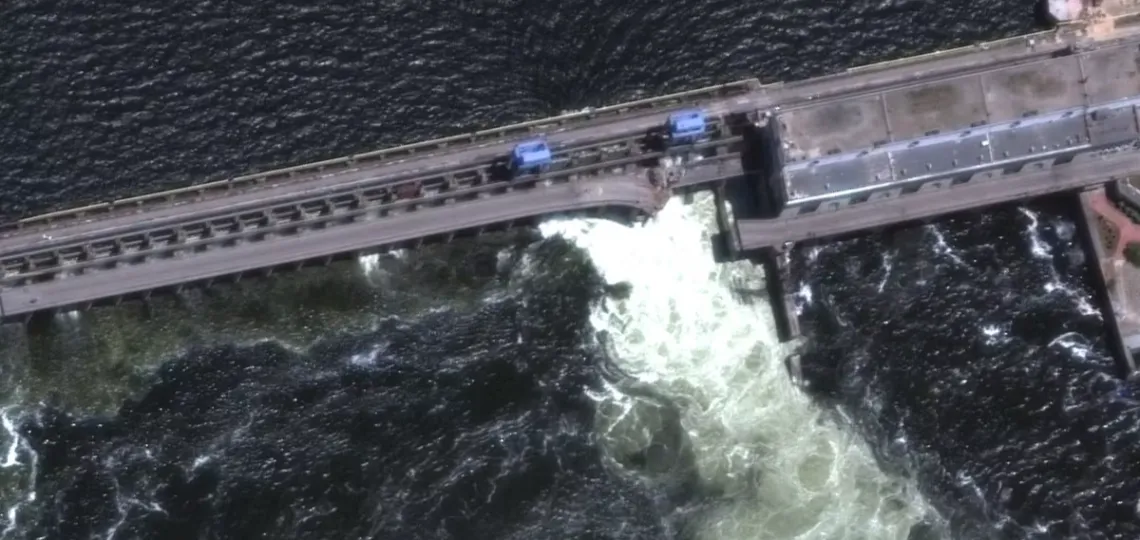
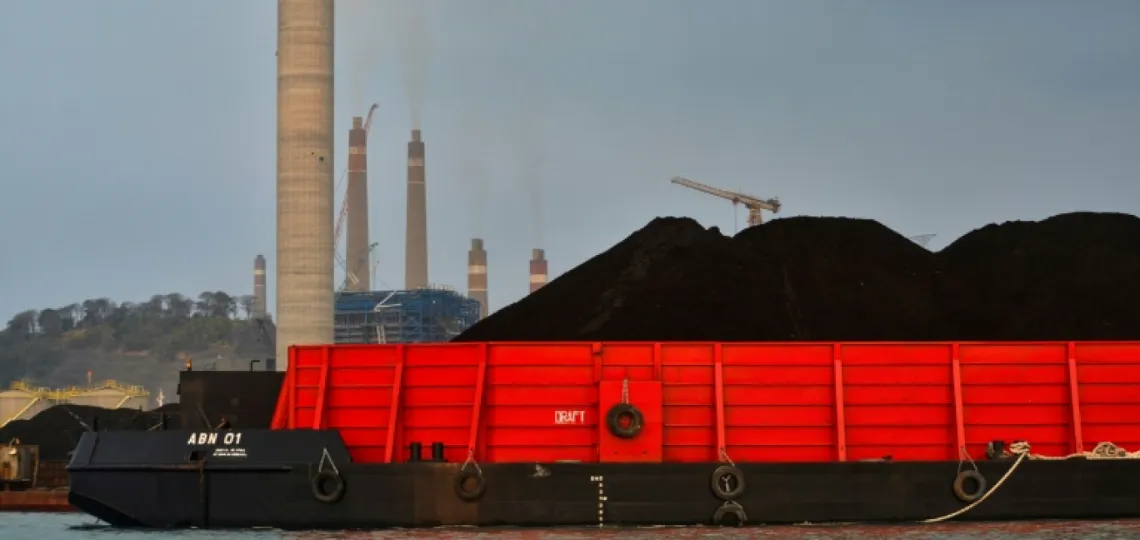
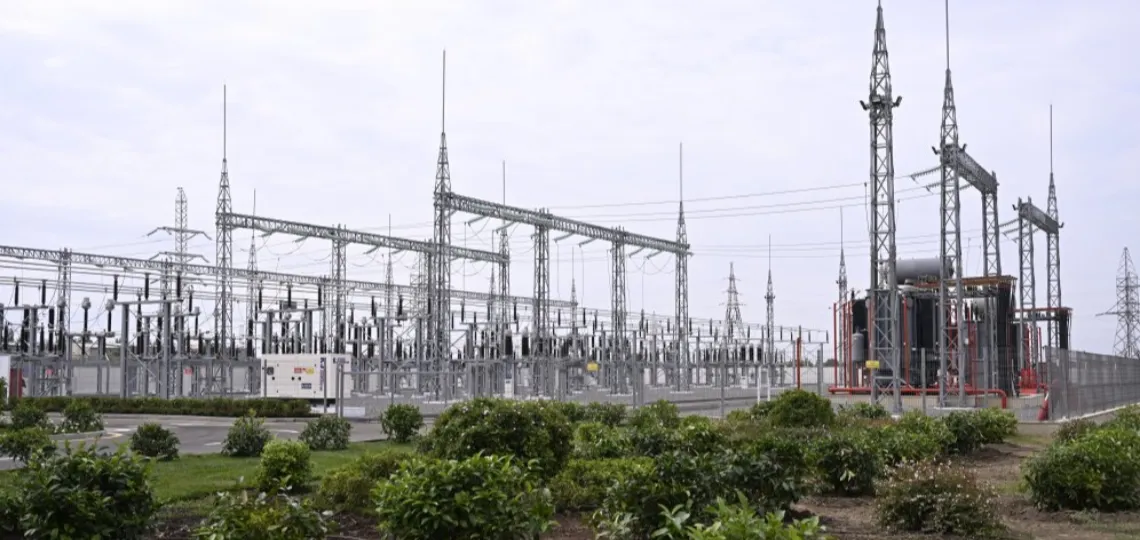
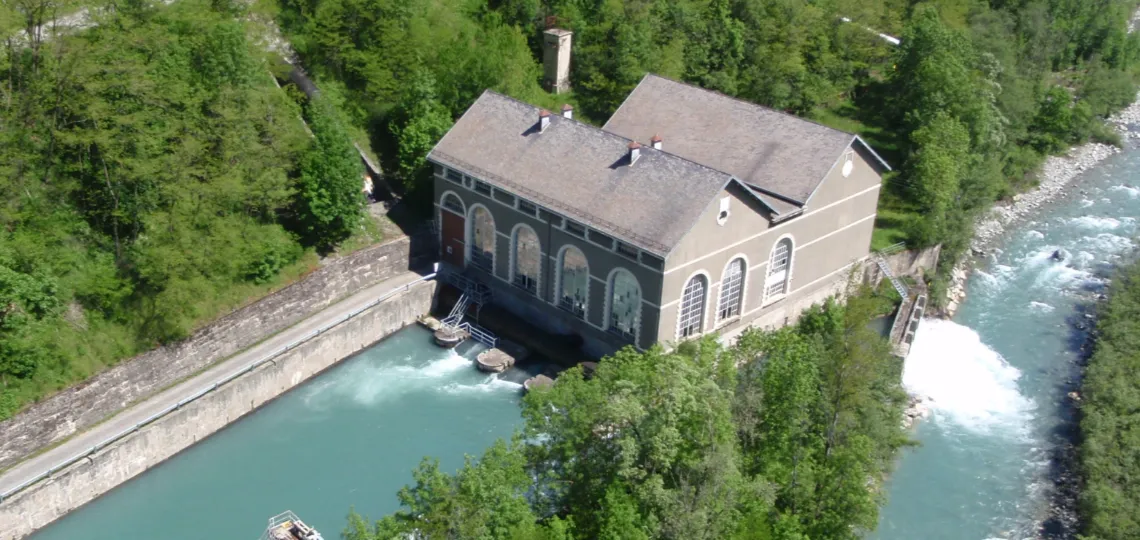
Since the end of March, Ukraine has been experiencing intensified attacks on its energy system, surpassing those of the previous winter. These assaults caused massive blackouts and damaged thermal and hydroelectric power stations, as in Kharkiv, the country’s second-largest city, which was plunged into darkness following an attack.
Energy decentralization strategy
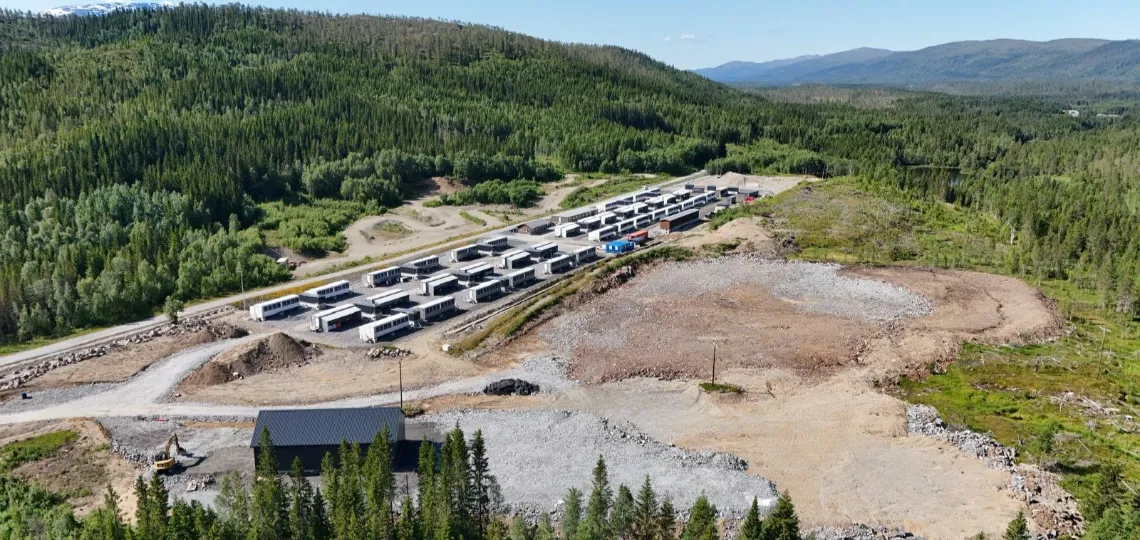
Energy decentralization is proposed as a sustainable protection measure. By aiming to build hundreds of small, mainly renewable power plants, Ukraine is seeking to diversify its energy production. This strategy would make it more difficult for Russia to effectively target Ukraine’s energy infrastructure, which is limited by the number of missiles available.
International financing and support
Funding for the new small power plants will be sought from private investors, given the national budget constrained by wartime spending. Ukraine is also calling for greater support from its allies, particularly for air defense, in order to protect its essential infrastructure.
The transition to decentralized generation capacity marks a potential turning point in Ukraine’s energy strategy. This approach is designed not only to counter the effects of Russian attacks, but also to promote long-term resilience in the face of security and energy challenges.