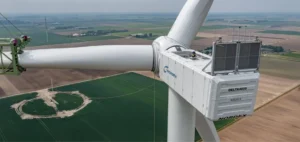
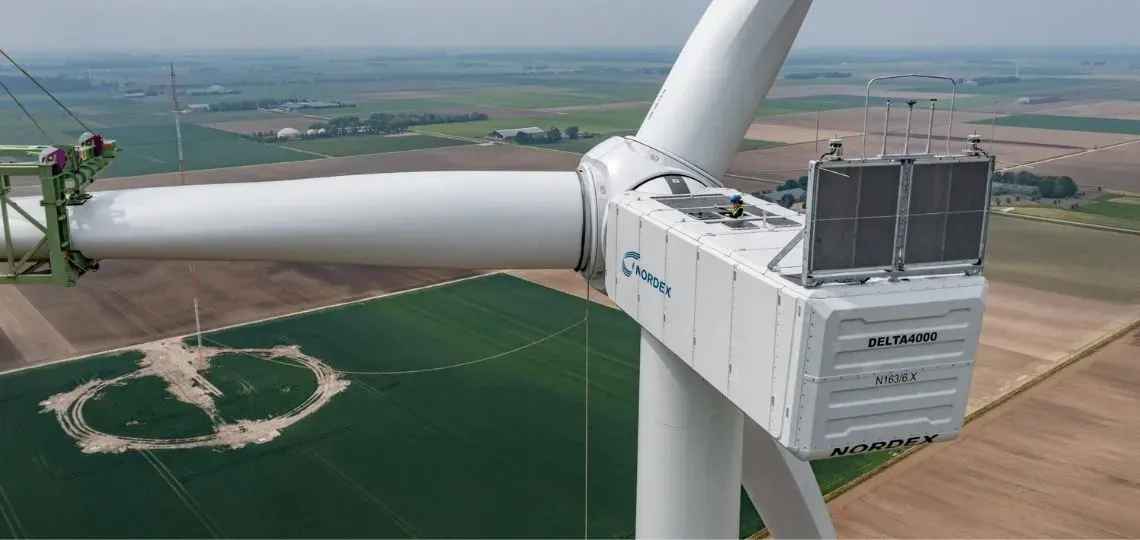
German manufacturer Nordex has secured an order for 34 turbines for a 200 MW project in the Canadian province of New Brunswick, marking its first entry into this region.
Enviromena secured approval for its Fillongley solar farm after a local council’s refusal was overturned, despite conflicts of interest tied to public funds used to oppose the project.
OX2 has started construction on three new onshore wind farms in Finland, bringing its total installed capacity in the country to 750 MW, a record level for a private energy sector player.
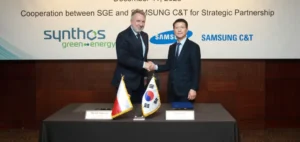
Samsung C&T strengthens its presence in modular nuclear energy in Europe by signing an agreement with Synthos Green Energy to develop up to 24 SMRs in Poland and several Central European countries.
Driven by Southeast Asia, the global share of electric vehicles exceeds 25% of new car sales in 2025, with emerging countries now leading global markets, according to Ember and other sector sources.
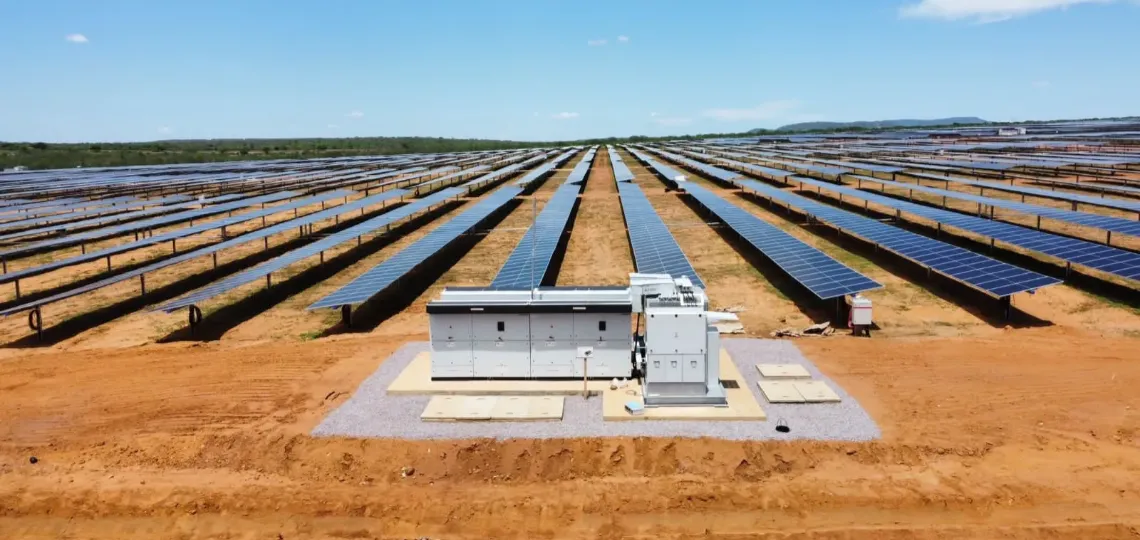
According to Wood Mackenzie, the global solar inverter market will face two consecutive years of contraction after record shipments in 2024, driven by regulatory tensions in China, Europe and the United States.
HASI and KKR strengthen their strategic partnership with an additional $1bn allocation to CarbonCount Holdings 1, bringing the vehicle’s total investment capacity to nearly $5bn.
Akuo launches a large-scale electricity storage project in Boulouparis, with a 200 MWh capacity, to support New Caledonia’s grid stability and reinforce the integration of renewable energies.
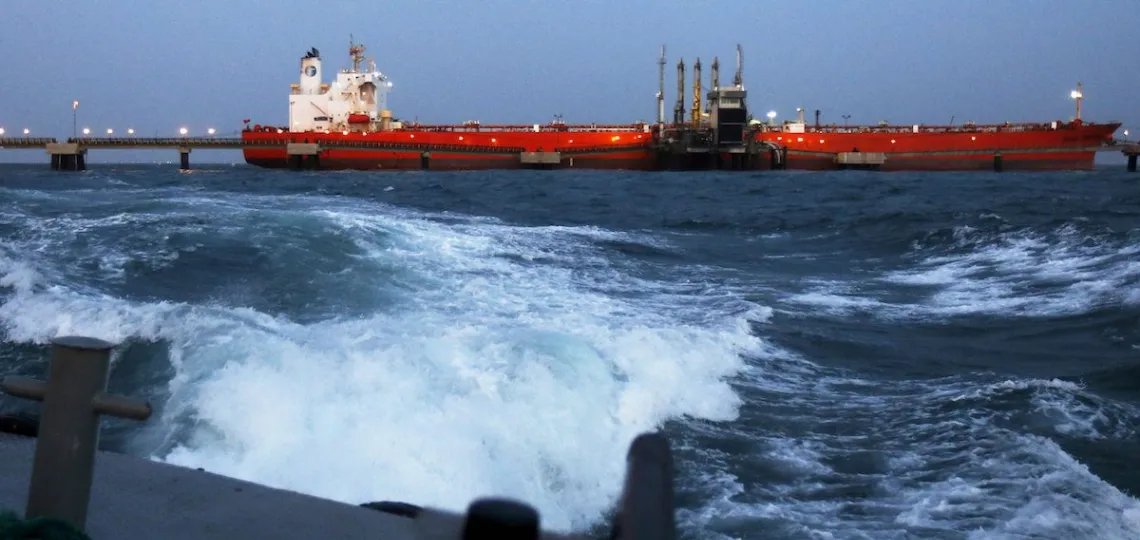
Venezuela has ended all energy cooperation with Trinidad and Tobago after the seizure of an oil tanker carrying crude by the United States, accusing the archipelago of participating in the military operation in the Caribbean.
EDF is considering selling some of its subsidiaries, including Edison and its renewables activities in the United States, to strengthen its financial capacity as a €5bn ($5.43bn) savings plan is underway.
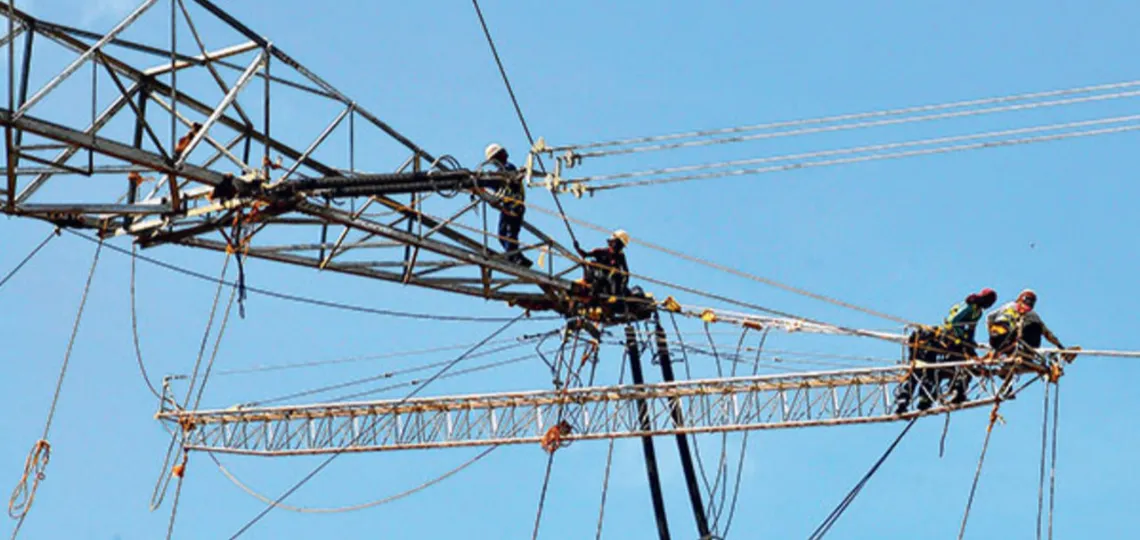
The Kenyan government has secured $311mn to construct two high-voltage transmission lines, aiming to meet growing demand and reduce losses across the national power grid.
Spain’s Solarig is allocating $415mn to build more than 20 biomethane units in Poland through its subsidiary Biorig, with an annual production target equivalent to the consumption of 400,000 households.
Operator GASCADE has converted 400 kilometres of gas pipelines into a strategic hydrogen corridor between the Baltic Sea and Saxony-Anhalt, now operational.
The UK government has assigned a GBP135mn ($180mn) budget for solar energy in its seventh CfD auction round, aiming to support up to 4 GW of installed capacity.
Italian group Enel has acquired two onshore wind farms in Germany for an enterprise value of €80mn ($86.5mn), strengthening its presence in a stable and strategic market as part of a targeted asset transfer.
French group Qair secures a structured €240 million loan to consolidate debt and strengthen liquidity, with participation from ten leading financial institutions.
Israeli firm nT-Tao and Ben-Gurion University have developed a nonlinear control system that improves energy stability in fusion plasmas, strengthening the technical foundation of their future compact reactors.
The Indian government has introduced a bill allowing private companies to build and operate nuclear power plants, ending a state monopoly in place for over five decades.
Ghanaian company Cybele Energy has signed a $17mn exploration deal in Guyana’s shallow offshore waters, targeting a block estimated to contain 400 million barrels and located outside disputed territorial zones.
TechnipFMC will design and install flexible pipes for Ithaca Energy as part of the development of the Captain oil field, strengthening its footprint in the UK offshore sector.
Vaalco Energy has started drilling the ET-15 well on the Etame platform, marking the beginning of phase three of its offshore development programme in Gabon, supported by a contract with Borr Drilling.
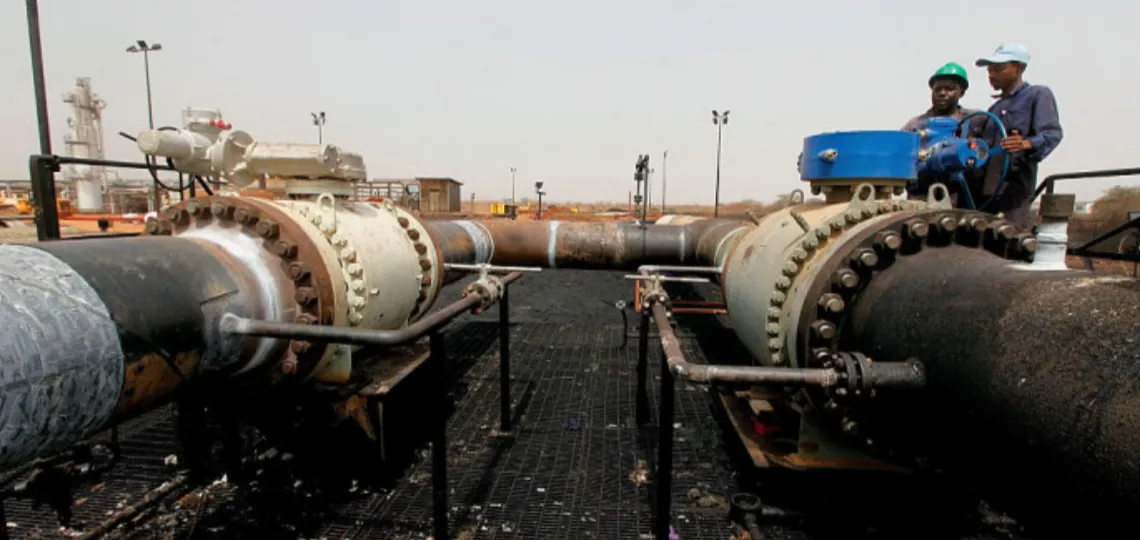
The attack on a key Caspian Pipeline Consortium offshore facility in the Black Sea halves Kazakhstan’s crude exports, exposing oil majors and reshaping regional energy dynamics.
Iraq is preparing a managed transition at the West Qurna-2 oil field, following US sanctions against Lukoil, by prioritising a transfer to players deemed reliable by Washington, including ExxonMobil.
The rehabilitation cost of Sonara, Cameroon’s only refinery, has now reached XAF300bn (USD533mn), with several international banks showing growing interest in financing the project.
China imported 12.38 million barrels per day in November, the highest level since August 2023, driven by stronger refining margins and anticipation of 2026 quotas.
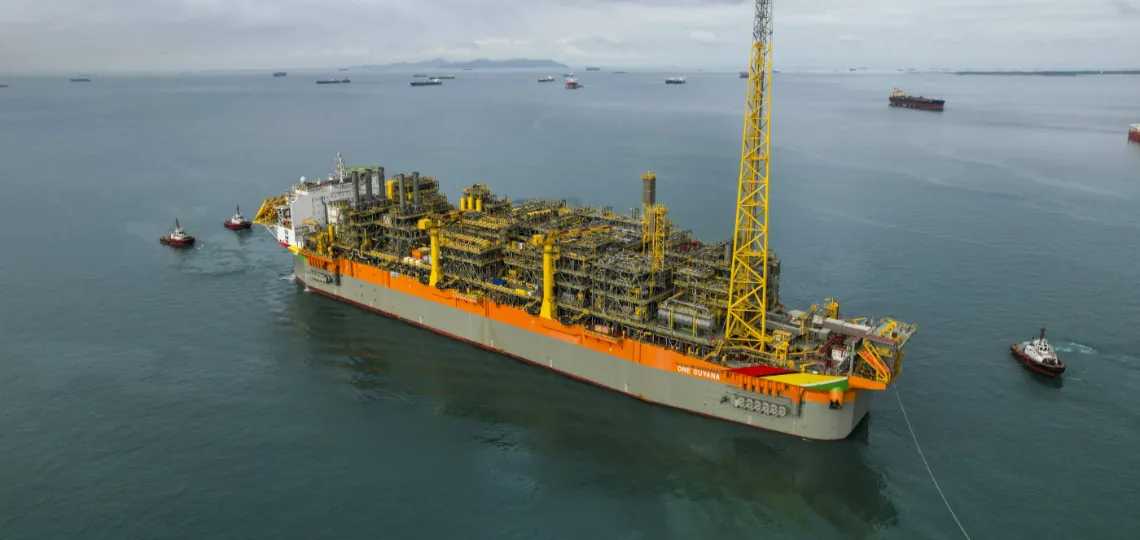
The United States reaffirmed its military commitment to Guyana, effectively securing access to its rapidly expanding oil production amid persistent border tensions with Venezuela.
Sanctioned tanker Kairos, abandoned after a Ukrainian drone attack, ran aground off Bulgaria’s coast, exposing growing legal and operational risks tied to Russia’s shadow fleet in the Black Sea.
The United States is temporarily licensing Lukoil’s operations outside Russia, blocking all financial flows to Moscow while facilitating the supervised sale of a portfolio valued at $22bn, without disrupting supply for allied countries.
Libya’s state oil firm NOC plans to launch a licensing round for 20 blocks in early 2026, amid mounting legal, political and financial uncertainties for international investors.
European sanctions on Russia and refinery outages in the Middle East have sharply reduced global diesel supply, driving up refining margins in key markets.
L’arrêt de la raffinerie de Pancevo, frappée par des sanctions américaines contre ses actionnaires russes, menace les recettes fiscales, l’emploi et la stabilité énergétique de la Serbie.
Oil prices climbed, driven by Ukrainian strikes on Russian infrastructure and the lack of diplomatic progress between Moscow and Washington over the Ukraine conflict.
Chevron has announced a capital expenditure range of $18 to $19 billion for 2026, focusing on upstream operations in the United States and high-potential international offshore projects.
ExxonMobil is shutting down its oldest ethylene steam cracker in Singapore, reducing local capacity to invest in its integrated Huizhou complex in China, amid regional overcapacity and rising operational costs.
Brazil, Guyana, Suriname and Argentina are expected to provide a growing share of non-OPEC+ oil supply, backed by massive offshore investments and continued exploration momentum.
The revocation of US licences limits European companies’ operations in Venezuela, triggering a collapse in crude oil imports and a reconfiguration of bilateral energy flows.
Bourbon has signed an agreement with ExxonMobil for the charter of next-generation Crewboats on Angola’s Block 15, strengthening a strategic cooperation that began over 15 years ago.