Russian tanker Kairos stranded in Bulgaria raises pressure on shadow fleet operations
Sanctioned tanker Kairos, abandoned after a Ukrainian drone attack, ran aground off Bulgaria’s coast, exposing growing legal and operational risks tied to Russia’s shadow fleet in the Black Sea.
| Sectors | Oil |
|---|---|
| Themes | Risks & Events, News in Brief |
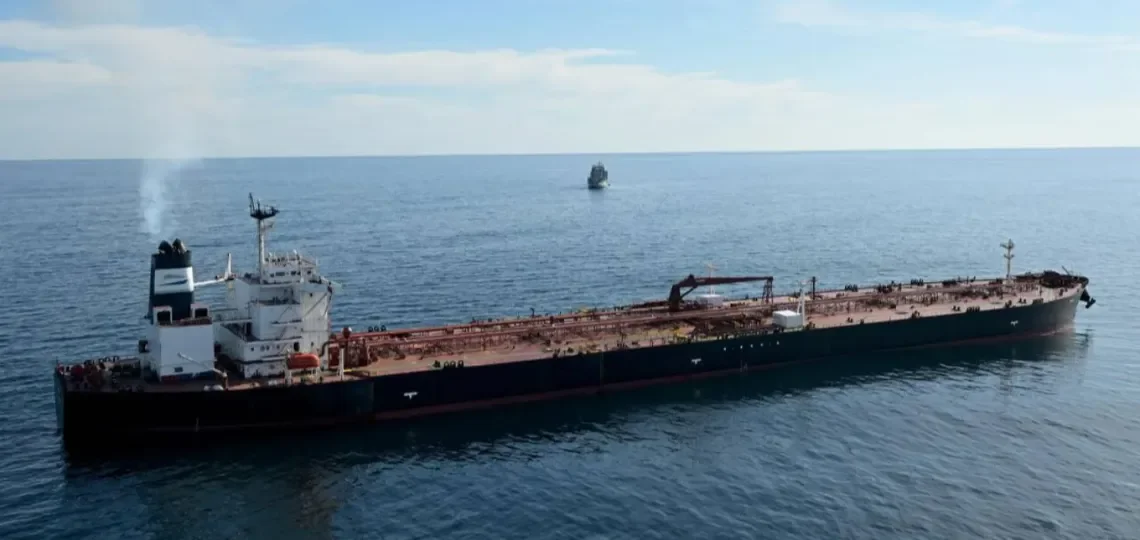
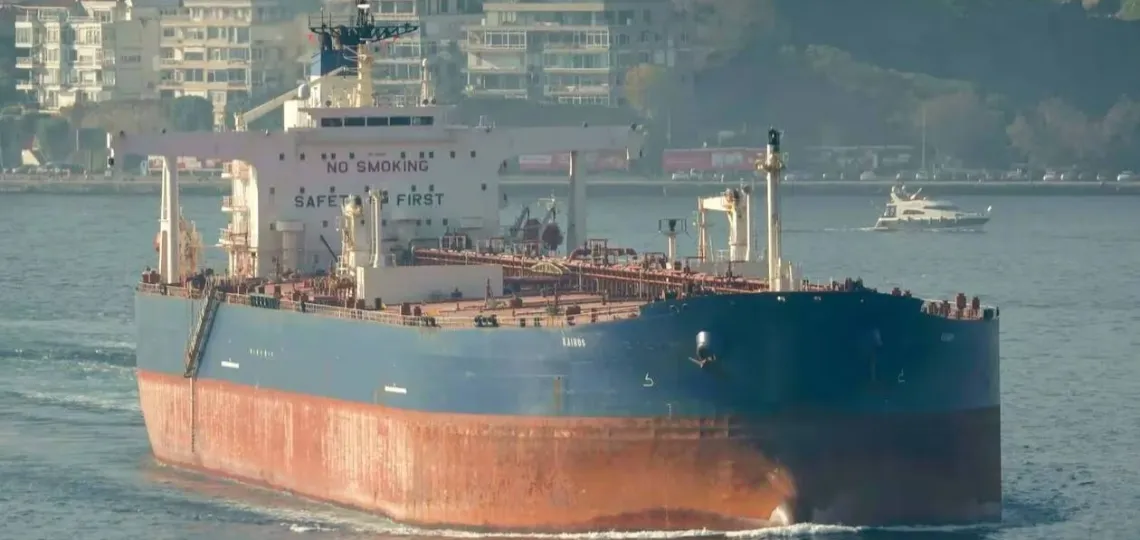
The oil tanker Kairos, a Suezmax vessel with a deadweight of 150,000 tonnes, ran aground near Ahtopol on Bulgaria’s southeastern coast after being abandoned by a Turkish tug. The incident followed a Ukrainian naval drone strike as the vessel sailed empty towards Novorossiysk, Russia. This tanker, associated with Russia’s shadow fleet, had already been designated by sanctioning authorities from the European Union, the United Kingdom, and Switzerland.
A regional incident with broad implications
The incursion of Kairos into Bulgarian waters triggered an immediate response from Sofia, which publicly denounced the uncoordinated towing of the vessel into its territorial zone. While the tanker was empty, the presence of an ageing ship with structural damage and questionable flag status posed a risk to maritime safety and coastal integrity. Bulgaria is already pursuing an accelerated phase-out of Russian crude, reinforced in 2025 by the special administration of the Lukoil Neftohim Burgas refinery.
Strained logistics across the Black Sea
The stranding of Kairos comes amid rising pressure on Black Sea crude export infrastructure. Ukrainian drone strikes have recently targeted both tankers and the Caspian Pipeline Consortium (CPC) terminal in Novorossiysk. A combination of adverse weather and geopolitical tensions has reduced Russian crude exports from the region, impacting market dynamics and insurance premiums.
Opaque ownership and mounting legal risk
Kairos is operated by an unidentified entity linked to offshore structures and sailed under a Gambian flag that Banjul claims was officially revoked before the incident. This complicates its legal status and opens the possibility for Bulgaria to immobilise or seize the vessel. The delivery of the ship into its waters may also trigger a bilateral dispute with Turkey, which had coordinated the initial towing after the attack.
Impact on the shadow fleet and oil shipping
The neutralisation of Kairos and the likely disablement of the Virat tanker remove two vessels optimised for Russian crude flows to Asia. These losses add to disruptions on Russian and Kazakh maritime routes, prompting operators to reassess logistical plans. Shipowners remaining in the zone are expected to demand higher war-risk premiums, while traders may reconsider their reliance on poorly insured, obscurely owned tankers.
Bulgaria’s strategic role in EU energy policy
The presence of Kairos on its shores places Bulgaria at the centre of an operational and political test for the European Union. The country must enforce sanctions regimes while avoiding an environmental or logistical crisis. Sofia may leverage the situation to request EU financial support for maritime safety capabilities as it seeks to redefine its role in regional energy supply post-Russia.