Ukrainian drone disables CPC terminal, disrupting Kazakhstan oil exports
The attack on a key Caspian Pipeline Consortium offshore facility in the Black Sea halves Kazakhstan’s crude exports, exposing oil majors and reshaping regional energy dynamics.
| Sectors | Oil |
|---|---|
| Themes | Policy & Geopolitics, Energy Security |
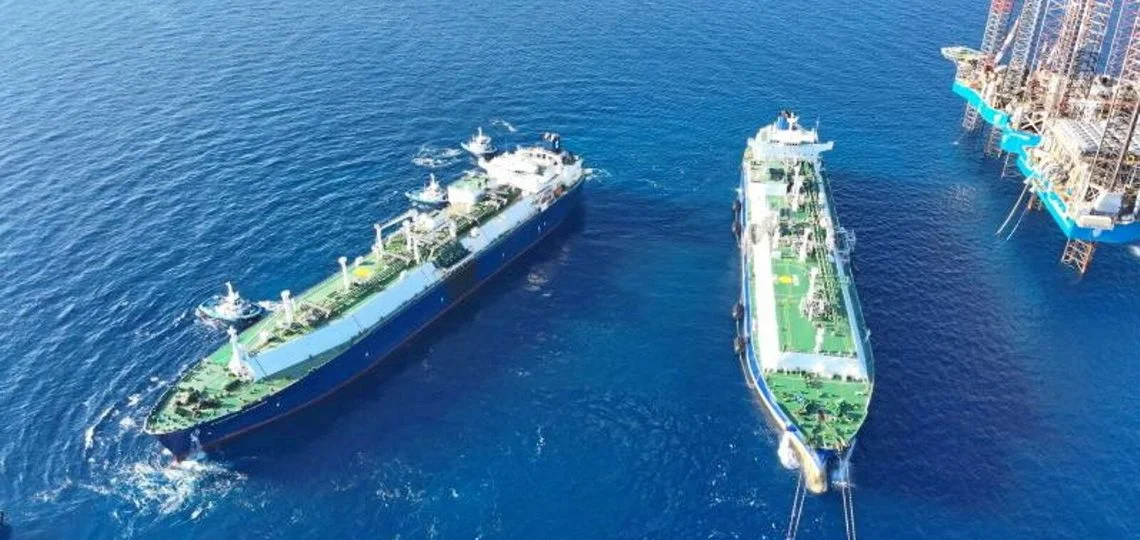
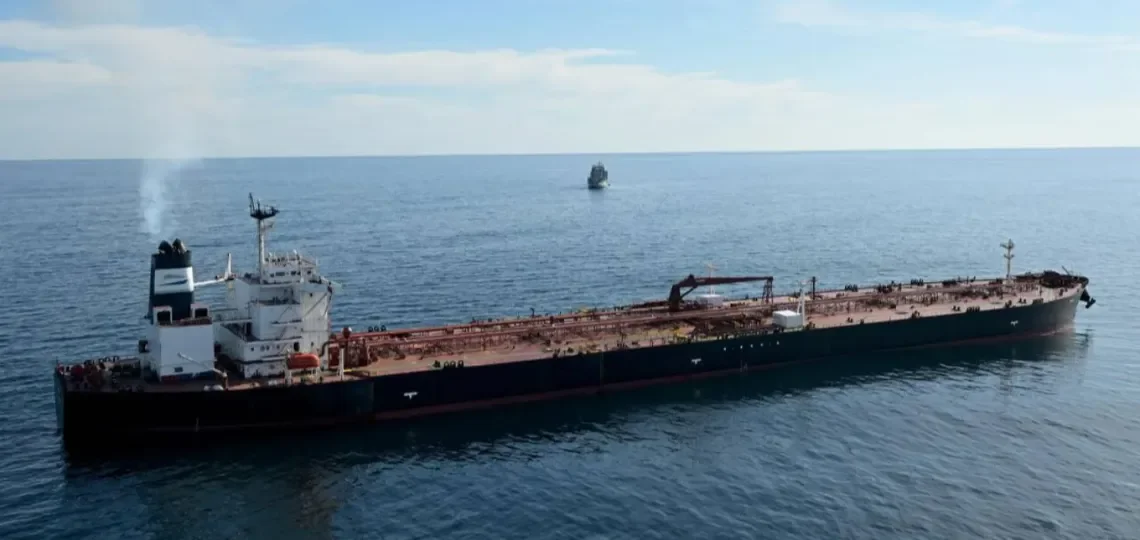
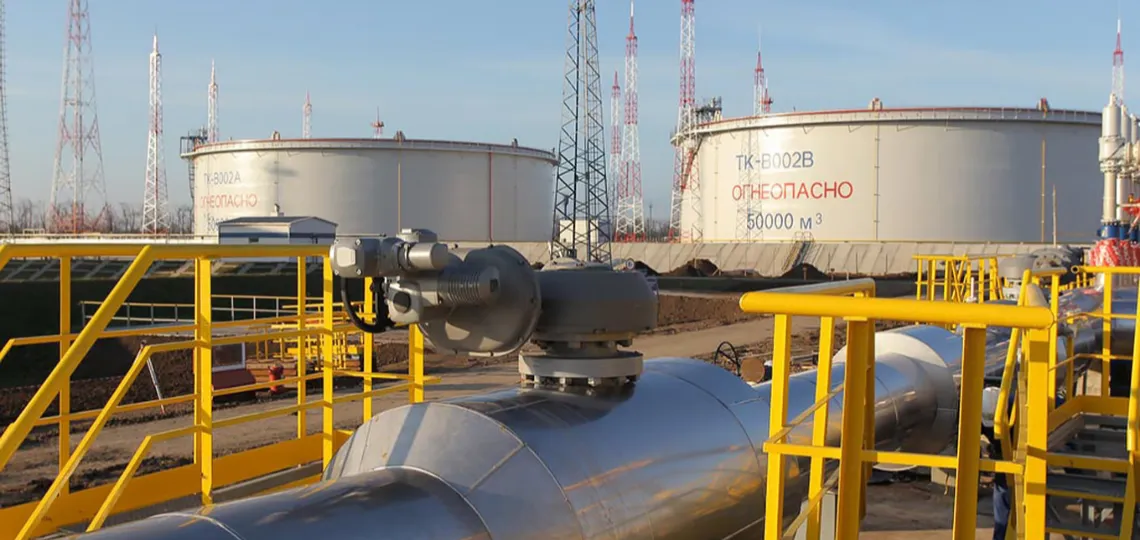
Kazakhstan’s crude oil exports face a major disruption following damage to a loading point at the Caspian Pipeline Consortium (CPC) offshore terminal near Novorossiysk in the Black Sea. The attack, carried out by a Ukrainian naval drone, disabled one of the terminal’s three loading systems (SPM-2), reducing transit capacity to about 50 % until the anticipated restart of SPM-3 around December 11–13.
A logistical bottleneck for over 1 % of global supply
The CPC pipeline, with a capacity of approximately 1.3 to 1.45 Mb/d, is the main artery for exporting CPC Blend, a light sour crude from the Tengiz, Karachaganak, and Kashagan fields. This corridor accounts for over 80 % of Kazakhstan’s oil exports and more than 1 % of global supply. The prolonged unavailability of SPM-2, whose repairs may take months, is disrupting winter logistics and forcing producers to consider alternative routes that are both expensive and limited in volume.
A consortium involving Russian, Kazakh and Western interests
CPC’s shareholder structure includes Russian state-owned Transneft, Kazakhstan’s national company KazMunayGas, and several international groups including Chevron, ExxonMobil, Shell and Eni. Main shippers include the Tengizchevroil, North Caspian Operating Company (NCOC), and Karachaganak Petroleum Operating consortia. Although the strike targeted a site on Russian territory, it hit a multinational commercial-civilian infrastructure, complicating legal and insurance interpretations.
An attack at the intersection of energy and military interests
Ukraine has increased strikes on Russian energy infrastructure to reduce Moscow’s oil revenues. By targeting CPC, Kyiv hits a site considered strategic within the Black Sea’s logistical ecosystem. However, as the majority of the oil transiting the pipeline is Kazakh, Kazakhstan has voiced concern, framing the incident as a threat to its economic sovereignty.
Immediate impact on regional oil markets
The reduction in CPC volumes led to a roughly $1/b increase in Mediterranean benchmarks. Refineries in Turkey, Italy and Greece—major CPC Blend consumers—are directly affected by this supply tension. At the same time, Turkey is forced to reopen its sourcing portfolio to less economically favourable origins.
A strategic signal to non-Russian producers
With CPC capacity down, Kazakhstan is increasing flows through the Baku-Tbilisi-Ceyhan pipeline and the Atasu-Alashankou corridor to China. These alternatives, more costly, threaten short-term profitability for Kazakh oil consortia, whose supply chains are now exposed to heightened geopolitical risk. Western majors are reassessing their commitments in the region in light of rising operational uncertainty.
Civilian infrastructure turned military target
The Yuzhnaya Ozereevka terminal, while commercial in nature, could be reclassified as a military target if it can be shown to contribute directly to Russia’s war effort. Western authorities, through the United States Office of Foreign Assets Control (OFAC) and the European Commission, currently maintain specific exemptions for non-Russian oil flows transiting through CPC.
Budgetary consequences for Kazakhstan
The export shortfall could lead to a 6 % drop in production, potentially cutting hundreds of millions of dollars from monthly budget revenues, given Kazakhstan’s ~1.8 Mb/d national output and fiscal dependence on hydrocarbons. Under pressure, the Kazakh government may accelerate high-cost diversification projects.
Lingering uncertainty through winter 2026
The expected restart of SPM-3 remains unconfirmed. Any delay beyond mid-December would turn a short-term incident into a structural constraint for the first quarter of 2026. Kazakhstan’s response to the attack, and the evolution of its diplomatic ties with Kyiv and Moscow, will be decisive for upcoming investment decisions by international groups.