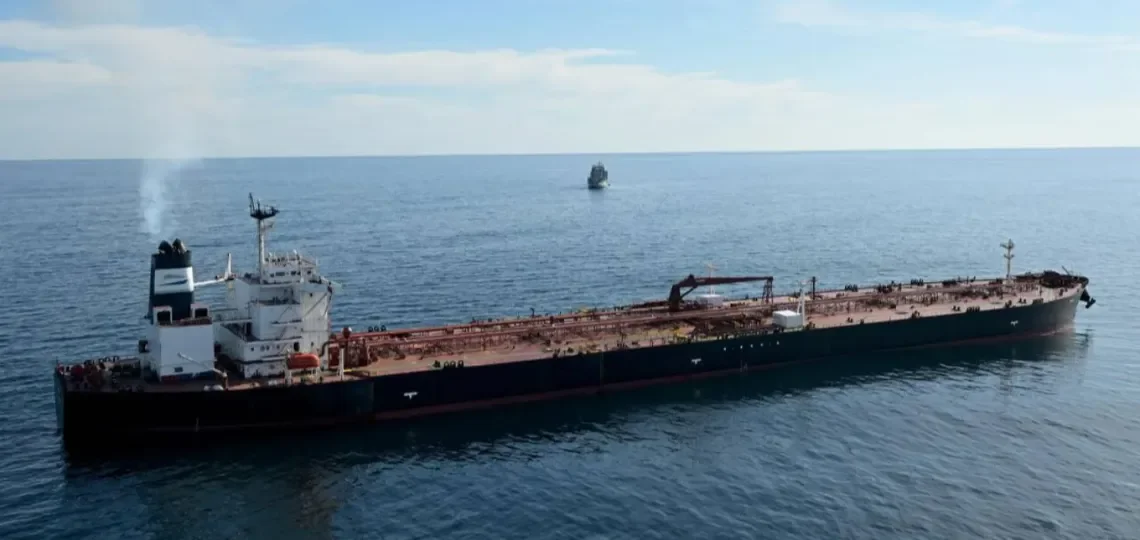
Sudanese paramilitaries seize control of strategic Heglig oil site
The Rapid Support Forces have taken Heglig, Sudan’s largest oil site, halting production and increasing risks to regional crude export flows.
| Sectors | Oil |
|---|---|
| Themes | Policy & Geopolitics, Armed Conflict |
The Rapid Support Forces (RSF), at war with the Sudanese army since April 2023, announced on Monday that they had taken control of Heglig, the country’s main oil site. Located in southern Kordofan, the area holds major strategic importance due to its central role in oil production and transit, particularly toward South Sudan.
A key site for Sudan’s oil economy
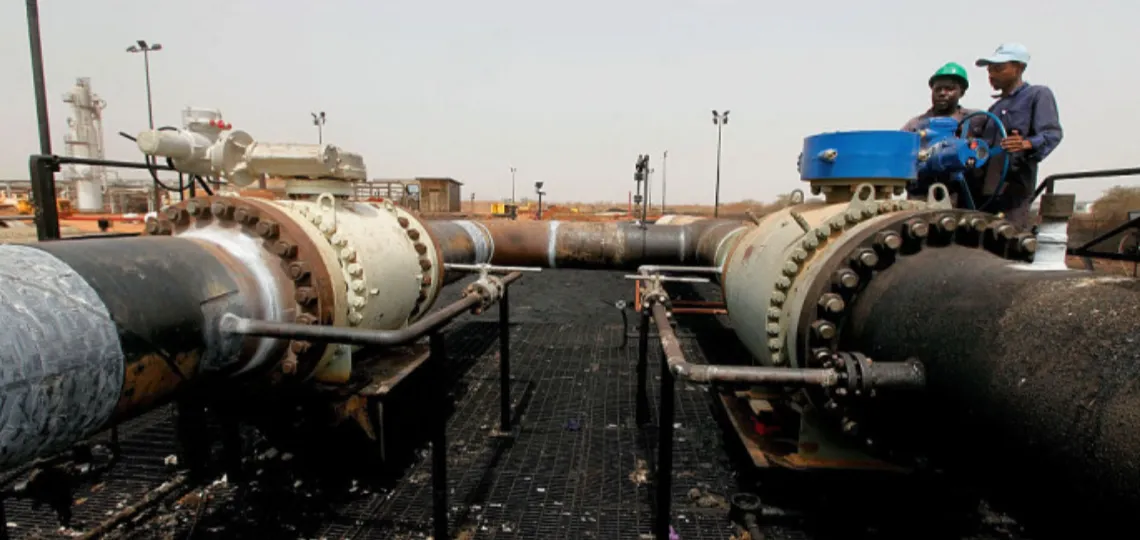
A military source, speaking anonymously, confirmed that government troops had withdrawn to avoid damage to oil infrastructure. Heglig is a critical facility not only for Sudan but also for South Sudan, which relies on it to process oil for export.
An on-site engineer stated that operations had been suspended and technical staff evacuated to neighbouring South Sudan. Previous drone strikes on the site, attributed to the RSF, had already caused a temporary shutdown in August.
Immediate production halt and rising regional tension
In a statement released Monday, the RSF pledged to secure the oil facilities and allow local and foreign workers to resume operations. However, former Petroleum Minister Gadein Ali Obeid called the paramilitary takeover a “disaster”, noting that the country has now lost its two most important oil production zones, Heglig and Block 6, the latter offline since the conflict began.
The loss of these assets further undermines Sudan’s fragile economy and raises concerns for South Sudan’s oil revenues. Since its 2011 independence, Khartoum has depended on crude transit fees from South Sudan as a key source of foreign currency.
Prolonged conflict and growing humanitarian impact
The war, which has displaced 12 million people and killed tens of thousands, is now focused in central and southern border regions. Kordofan has become a strategic pivot point for the RSF, now allied with the Sudan People’s Liberation Movement–North (SPLM-N), with whom they have reinforced their presence in the Nuba Mountains and Blue Nile State.
A recent SPLM-N statement said the capture of Kadugli and Dilling was “only a matter of time”. These offensives aim to open new corridors toward the capital, Khartoum, still partially held by the regular army.
Oil infrastructure caught in the military crossfire
The consequences of this occupation are also visible on the humanitarian front. The World Health Organization (WHO) confirmed 114 deaths, including 63 children, in drone strikes on Kalogi on December 4, a town located in the same region as Heglig.
International efforts to broker a ceasefire remain unsuccessful, with both factions seeking to solidify their territorial control before entering any negotiations.