ExxonMobil in advanced talks to acquire Lukoil’s stake in West Qurna-2
Iraq is preparing a managed transition at the West Qurna-2 oil field, following US sanctions against Lukoil, by prioritising a transfer to players deemed reliable by Washington, including ExxonMobil.
| Sectors | Oil |
|---|---|
| Themes | Policy & Geopolitics, Energy Security |
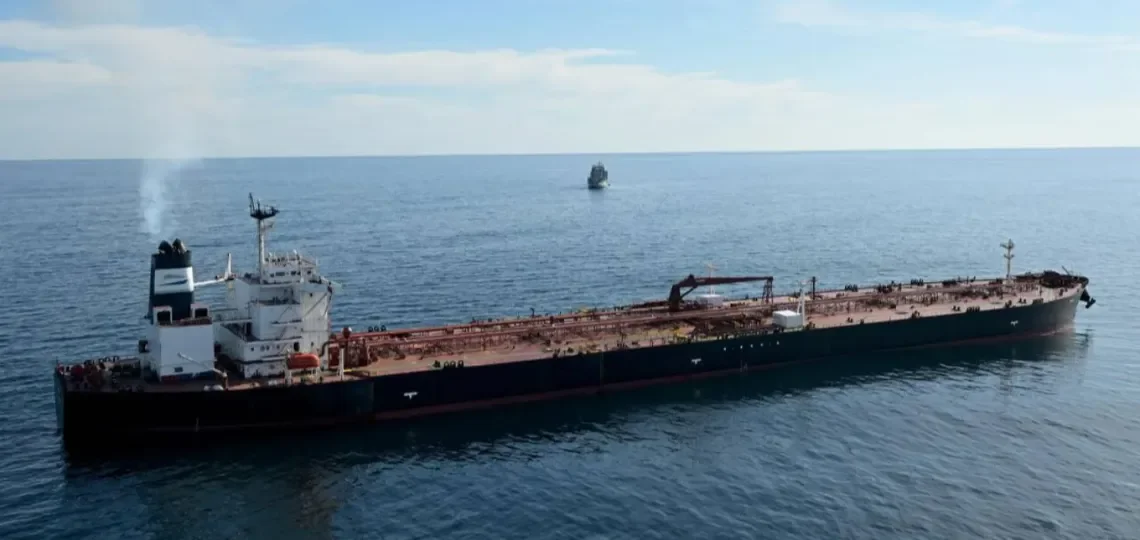
The Iraqi government is accelerating talks to organise the sale of the 75% stake held by Lukoil in the West Qurna-2 oil field, following sanctions imposed by the United States on the Russian major. The Ministry of Oil is negotiating with ExxonMobil, which could acquire the strategic asset located in the south of the country, producing around 460,000 barrels per day—nearly 10% of Iraq’s national output.
A core asset in Iraq’s oil equation
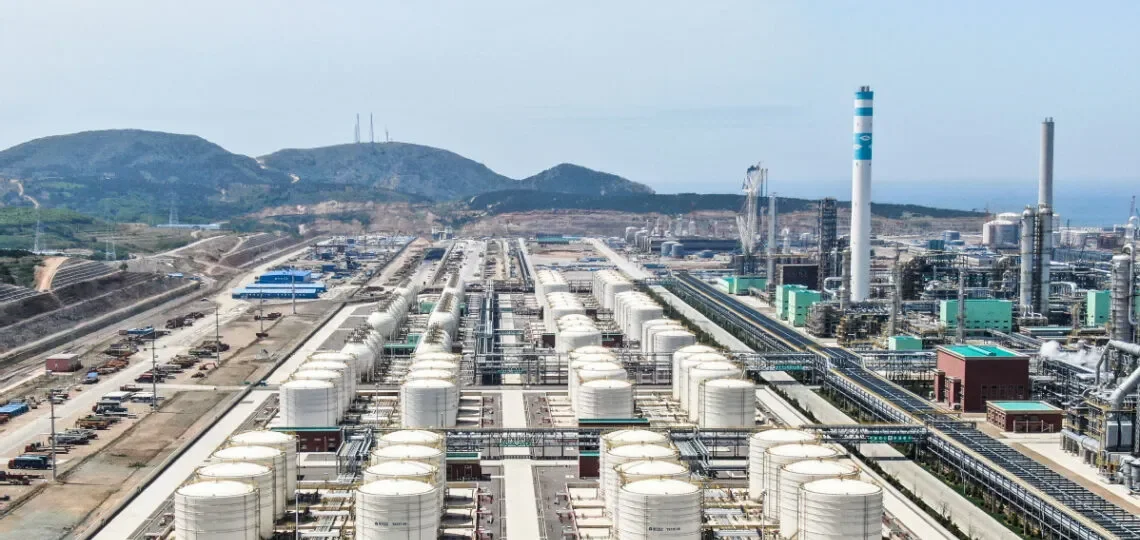
With recoverable reserves estimated at nearly 13 billion barrels, West Qurna-2 is among the world’s largest oil fields. Designed to eventually reach a capacity of 800,000 barrels per day, it represents one of Baghdad’s identified growth levers for boosting exports within the Organisation of the Petroleum Exporting Countries and its allies (OPEC+). Lukoil currently operates the field under a service contract, in partnership with the state-owned North Oil Company.
Since late October, Lukoil has been officially designated as a Specially Designated National (SDN) by the US Treasury’s Office of Foreign Assets Control (OFAC), freezing its assets and limiting its operational capabilities. Financial, logistical and commercial flows linked to West Qurna-2 are now strictly governed by general licences, authorising only transactions required for operational safety and asset divestment.
A legal window to reconfigure governance
Baghdad used Lukoil’s force majeure declaration—following a pipeline leak—to temporarily transfer operational control of the field to Basra Oil Company and Maysan Oil Company. This shift ensures continuity of exports through the Tuba terminal without abrupt contractual termination, while preparing for the entry of a new operator acceptable to US authorities.
Talks are focused on a gradual governance transfer to a player combining technical expertise, regional ties, and compliance with OFAC regulations. In addition to ExxonMobil, firms such as Chevron, Carlyle Group and Abu Dhabi’s International Holding Company (IHC) are also mentioned as potential candidates. Regulatory constraints, however, require a transaction structure pre-approved by Washington.
Impact on global supply and US strategy
Production resumed at the field in late November, restoring output of about 460,000 barrels per day and contributing to a drop in international oil prices. Brent crude fell by over $1 per barrel as markets absorbed the rapid resumption of Iraqi exports as a signal of short-term stability. Nevertheless, infrastructure vulnerability and the geopolitical complexity of the case continue to weigh on perceptions of delivery reliability.
For the United States, the field serves as a test case in its sanctions strategy: deprive Russia of oil revenues without disrupting markets. By promoting a sale to a Western major or an aligned regional consortium, Washington aims to consolidate its role in the Middle East while reshaping the energy landscape amid prolonged tensions with Moscow.
Iraq’s OPEC+ position and production outlook
Iraq, often exceeding its OPEC+ quotas, could face renewed pressure within the alliance if West Qurna-2’s output ramps up. Once governance transfer is completed, the Iraqi state plans to renegotiate the service contract with the incoming operator, including investment commitments for critical infrastructure such as pipelines and storage facilities.
The field’s future trajectory will also depend on the financing and engineering capacity of its new operator. OFAC-imposed constraints, market expectations, and internal OPEC+ dynamics will all influence the pace and scope of the planned expansion toward 800,000 barrels per day.