The Ministry of the Economy forecasts stable regulated tariffs in 2026 and 2027 for 19.75 million households, despite the removal of the Arenh mechanism and the implementation of a new tariff framework.
The federation of the electricity sector proposes a comprehensive plan to reduce dependence on fossil fuels by replacing their use in transport, industry and housing with locally produced electricity.
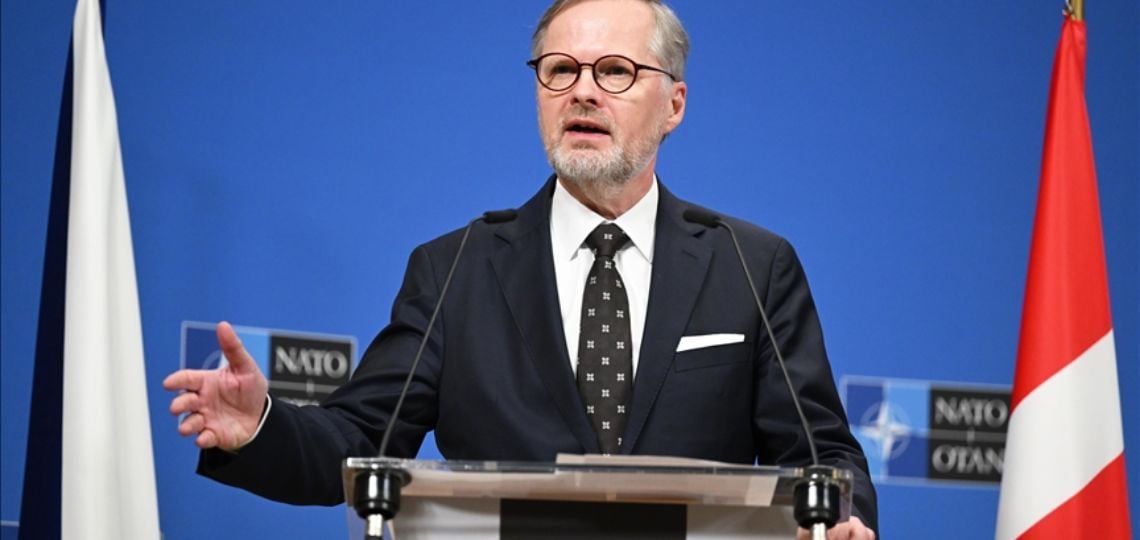
The new Czech Minister of Industry wants to block the upcoming European emissions trading system, arguing that it harms competitiveness and threatens national industry against global powers.
Several scenarios are under review to regain control of CEZ, a key electricity provider in Czechia, through a transaction estimated at over CZK200bn ($9.6bn), according to the Minister of Industry.
The government has postponed the release of the new Multiannual Energy Programme to early 2026, delayed by political tensions over the balance between nuclear and renewables.
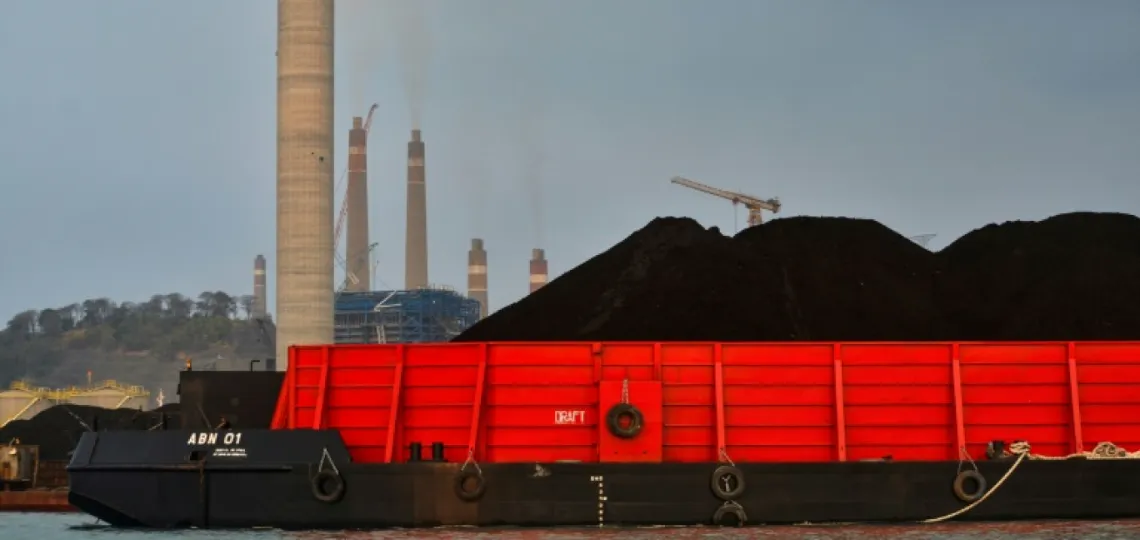
Indonesia plans $31bn in investments by 2030 to decarbonise captive power, but remains constrained by coal dependence and uncertainty over international financing.
A drone attack on the Al-Muqrin station paralysed part of Sudan's electricity network, affecting several states and killing two rescuers during a second strike on the burning site.
The Bolivian government eliminates subsidies on petrol and diesel, ending a system in place for twenty years amid budgetary pressure and dwindling foreign currency reserves.
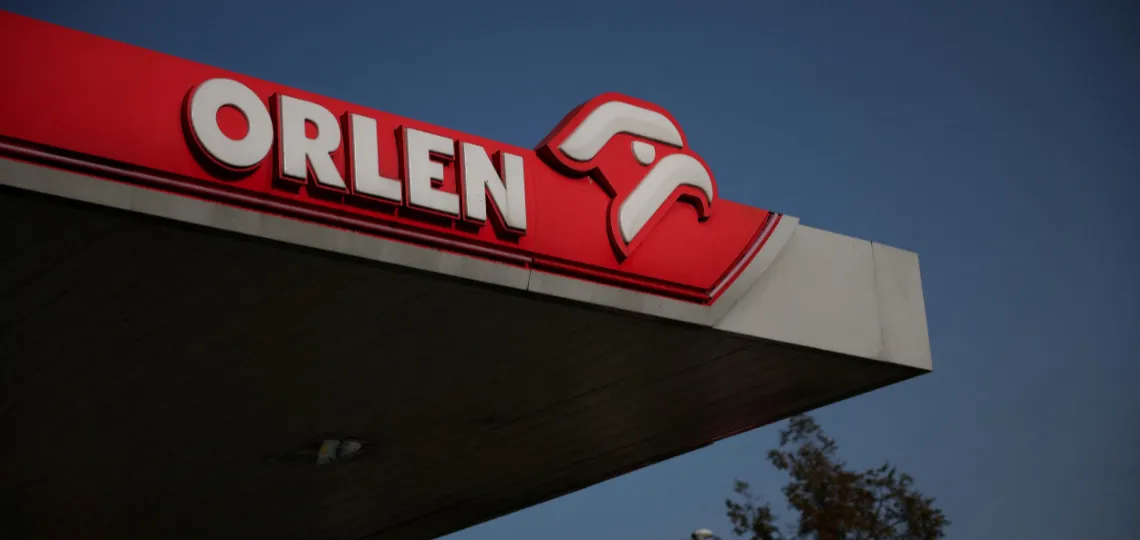
Poland’s financial watchdog has launched legal proceedings over suspicious transactions involving Energa shares, carried out just before Orlen revealed plans to acquire full ownership.
The Paris Council awards a €15bn, 25-year contract to Dalkia, a subsidiary of EDF, to operate the capital’s heating network, replacing long-time operator Engie amid political tensions ahead of municipal elections.
Norway’s energy regulator plans a rule change mandating grid operators to prepare for simultaneous sabotage scenarios, with an annual cost increase estimated between NOK100 and NOK300 per household.
The State of São Paulo has requested the termination of Enel Distribuição São Paulo’s concession, escalating tensions between local authorities and the federal regulator amid major political and energy concerns three years before the contractual expiry.
Mauritania secures Saudi financing to build a key section of the “Hope Line” as part of its national plan to expand electricity transmission infrastructure inland.
RESourceEU introduces direct European Union intervention on critical raw materials via stockpiling, joint purchasing and export restrictions to reduce external dependency and secure strategic industrial chains.
The third National Low-Carbon Strategy enters its final consultation phase before its 2026 adoption, defining France’s emissions reduction trajectory through 2050 with sector-specific and industrial targets.
Germany will allow a minimum 1.4% increase in grid operator revenues from 2029, while tightening efficiency requirements in a compromise designed to unlock investment without significantly increasing consumer tariffs.
Facing a structural electricity surplus, the government commits to releasing a new Multiannual Energy Programme by Christmas, as aligning supply, demand and investments becomes a key industrial and budgetary issue.
A key scientific report by the United Nations Environment Programme failed to gain state approval due to deep divisions over fossil fuels and other sensitive issues.
India’s central authority has cancelled 6.3 GW of grid connections for renewable projects since 2022, marking a tightening of regulations and a shift in responsibility back to developers.
The 2026–2031 offshore programme proposes opening over one billion acres to oil exploration, triggering a regulatory clash between Washington, coastal states and legal advocacy groups.
The government of Mozambique is consolidating its gas transport and regasification assets under a public vehicle, anchoring the strategic Beira–Rompco corridor to support Rovuma projects and respond to South Africa’s gas dependency.
The British system operator NESO initiates a consultation process to define the methodology of eleven upcoming regional strategic plans aimed at coordinating energy needs across England, Scotland and Wales.
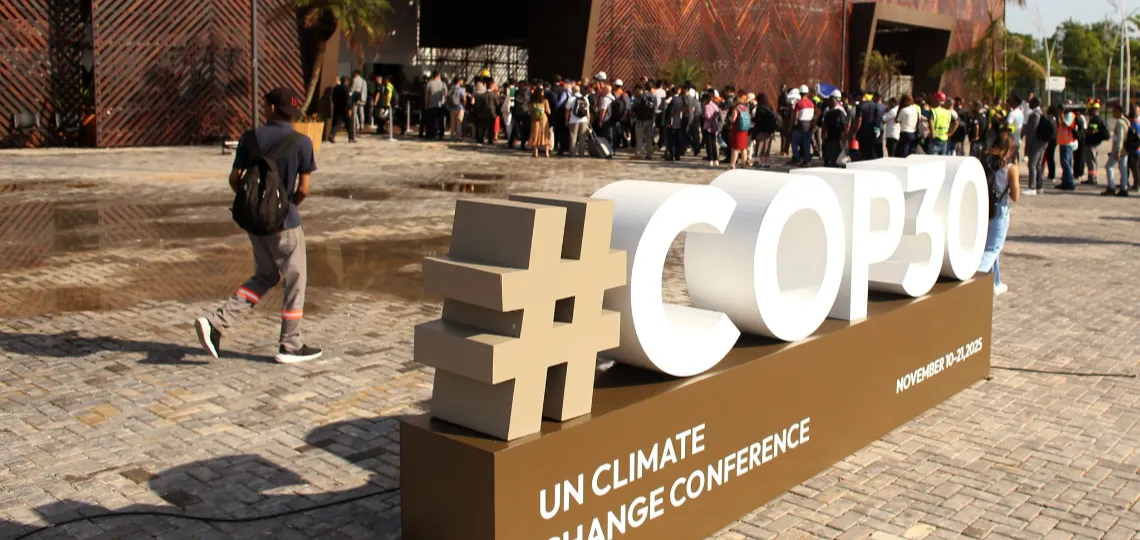
The Belém summit ends with a technical compromise prioritising forest investment and adaptation, while avoiding fossil fuel discussions and opening a climate–trade dialogue likely to trigger new regulatory disputes.
The Asian Development Bank and the Kyrgyz Republic have signed a financing agreement to strengthen energy infrastructure, climate resilience and regional connectivity, with over $700mn committed through 2027.
A study from the Oxford Institute for Energy Studies finds that energy-from-waste with carbon capture delivers nearly twice the climate benefit of converting waste into aviation fuel.
Signed for 25 years, the new concession contract between Sipperec, EDF and Enedis covers 87 municipalities in the Île-de-France region and commits the parties to managing and developing the public electricity distribution network until 2051.
The French Energy Regulatory Commission publishes its 2023–2024 report, detailing the crisis impact on gas and electricity markets and the measures deployed to support competition and rebuild consumer trust.
Gathered in Belém, states from Africa, Asia, Latin America and Europe support the adoption of a timeline for the gradual withdrawal from fossil fuels, despite expected resistance from several producer countries.
The E3 and the United States submit a resolution to the IAEA to formalise Iran's non-cooperation following the June strikes, consolidating the legal basis for tougher energy and financial sanctions.
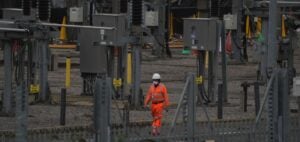
The United Kingdom launches a taskforce led by the Energy Minister to strengthen the security of the national power grid after a full shutdown at Heathrow Airport caused by a substation fire.
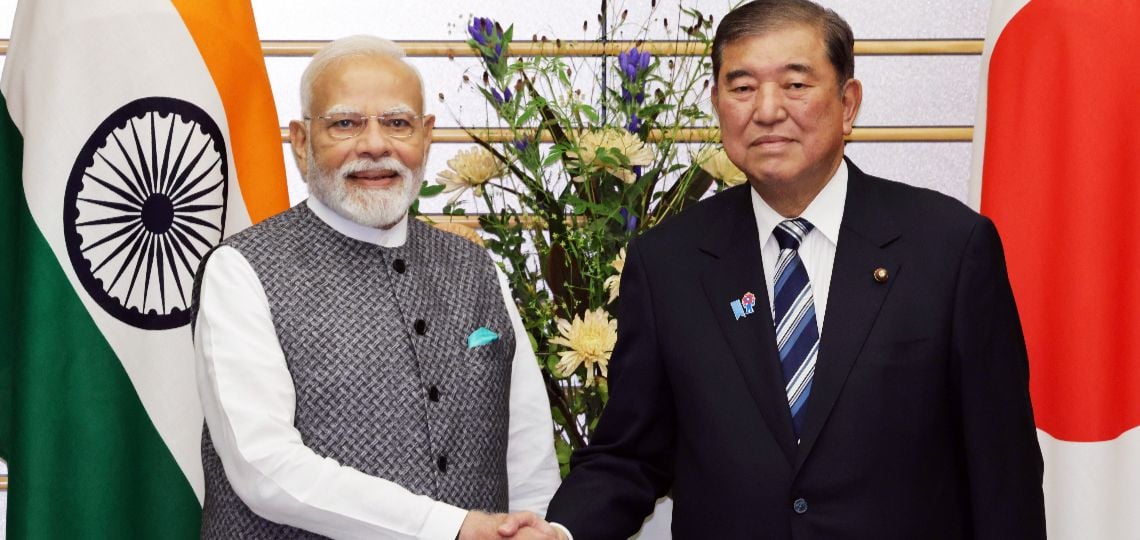
New Delhi is seeking $68bn in Japanese investment to accelerate gas projects, develop hydrogen and expand LNG import capacity amid increased openness to foreign capital.
Under political pressure, Ademe faces proposals for its elimination. Its president reiterates the agency’s role and justifies the management of the €3.4bn operated in 2024.
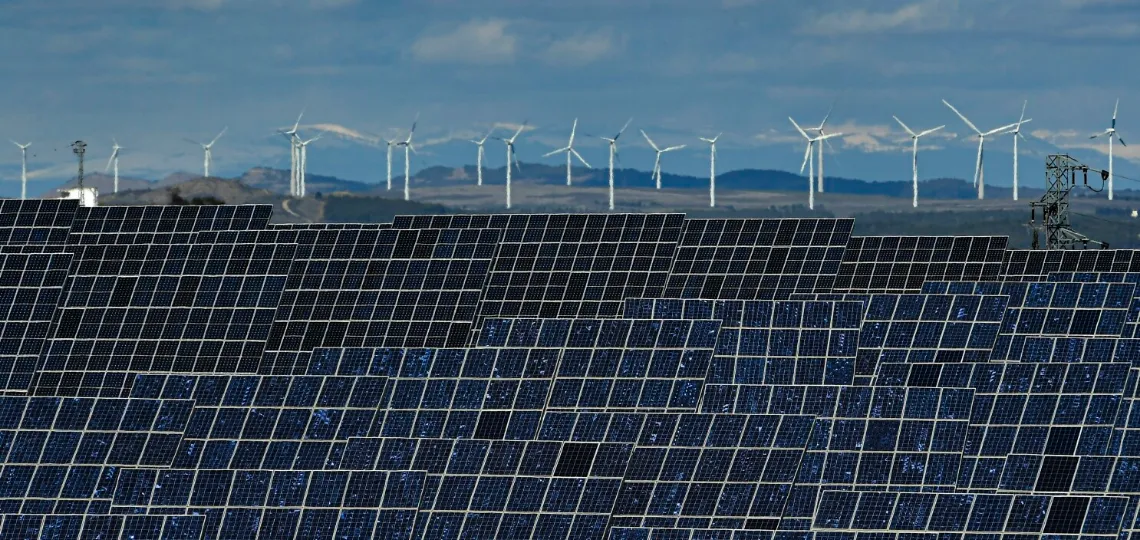
Solar and wind generation exceeded the increase in global electricity demand in the first three quarters of 2025, leading to a stagnation in fossil fuel production according to the latest available data.
The Malaysian government plans to introduce a carbon tax and strengthen regional partnerships to stabilise its industry amid emerging international regulations.
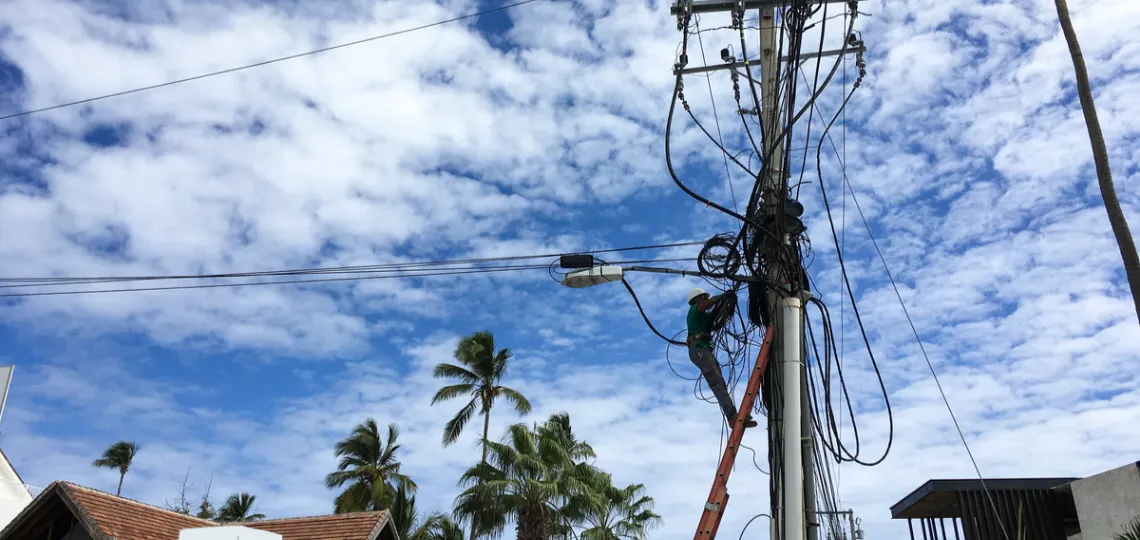
A major blackout has disrupted electricity supply across the Dominican Republic, impacting transport, tourism and infrastructure nationwide. Authorities state that recovery is underway despite the widespread impact.
Vietnam is consolidating its regulatory and financial framework to decarbonise its economy, structure a national carbon market, and attract foreign investment in its long-term energy strategy.
The European Bank for Reconstruction and Development strengthens its commitment to renewables in Africa by supporting Infinity Power’s solar and wind expansion beyond Egypt.