Malaysia accelerates carbon taxation to safeguard industrial competitiveness
The Malaysian government plans to introduce a carbon tax and strengthen regional partnerships to stabilise its industry amid emerging international regulations.
| Sectors | Carbon, Carbon Market, Alternative Fuels |
|---|---|
| Themes | Investments & Transactions, Taxation |
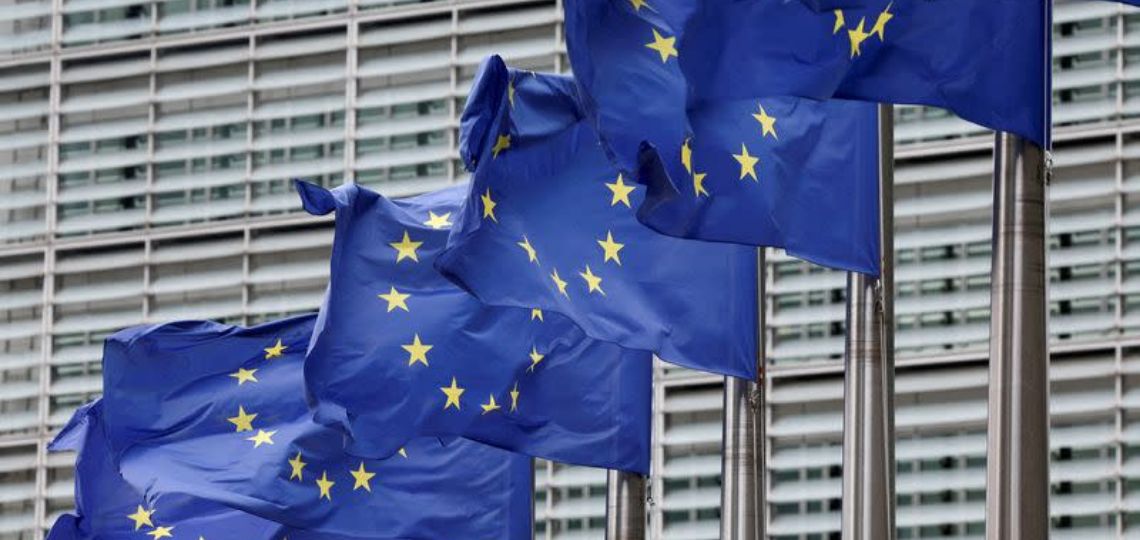
Malaysia is formalising a key step in its economic and energy policy with the upcoming introduction of a carbon tax. This measure, announced in Budget 2026, is part of a strategy aimed at reinforcing the country’s industrial appeal amid global standardisation of carbon pricing. The stated goal is to align domestic fiscal instruments with those already established internationally, particularly the European Union’s Carbon Border Adjustment Mechanism (CBAM).
Economic instrument for industrial competitiveness
The government plans to reinvest revenues generated by carbon taxation into the development of low-carbon technologies, energy efficiency, and support for industrial capacity. This measure is designed to help local companies transition while ensuring they remain competitive in export markets. The Ministry of Finance has presented the tax as a growth lever focused on innovation and technological sovereignty.
The regulatory architecture relies on several national frameworks consolidated in recent months. The Nationally Determined Contributions (NDC) Action Plan, the Long-Term Low Emissions Development Strategies (LT-LEDS), and the National Energy Transition Roadmap (NETR) were designed to support this transformation. These initiatives enable the operational implementation of emissions reduction commitments and ensure their enforcement across various industrial sectors.
Regional alignment and energy diplomacy
At the regional level, Malaysia currently chairs the Association of Southeast Asian Nations (ASEAN) and is strengthening its influence by coordinating a unified message for COP30. This diplomatic position was reinforced by the joint statement adopted at the 18th ASEAN Ministerial Meeting on the Environment (AMME-18), highlighting the strategic interest of regional climate cooperation.
The meeting with COP30 President-Designate André Corrêa do Lago enabled alignment between ASEAN’s priorities and the objectives of the Belém summit. This coordination reflects a clear intention to strengthen the position of Southeast Asian countries in global negotiations by consolidating a stable, regionally integrated economic base.
Towards structural anchoring of carbon policies
The introduction of the carbon tax comes as Malaysia intensifies its internal structuring around coherent energy policies. The country aims to peak its emissions by 2030, with an absolute reduction estimated between 15 and 30 MtCO₂eq by 2035. Targeted sectors include rail-based transport, waste management, sustainable forestry, energy efficiency, and alternative fuels.
The national platform within the Malaysia Pavilion at COP30 will illustrate this transformation pathway. It will showcase domestic measures while consolidating Malaysia’s regional role. Through this initiative, the country seeks to demonstrate its ability to structure a coherent response to competitiveness challenges without compromising industrial attractiveness.