Vietnam strengthens its energy policy to accelerate low-carbon transition

Vietnam is consolidating its regulatory and financial framework to decarbonise its economy, structure a national carbon market, and attract foreign investment in its long-term energy strategy.
Share:

Comprehensive energy news coverage, updated nonstop

Annual subscription

8.25$/month*

*billed annually at 99$/year for the first year then 149,00$/year ​

Unlimited access • Archives included • Professional invoice

OTHER ACCESS OPTIONS

Monthly subscription

Unlimited access • Archives included

5.2$/month*
then 14.90$ per month thereafter

FREE ACCOUNT

3 articles offered per month

FREE

*Prices are excluding VAT, which may vary depending on your location or professional status

Since 2021: 35,000 articles • 150+ analyses per week

The Vietnamese government is intensifying its energy policy to achieve carbon neutrality by 2050, in line with commitments made at COP26. The State has introduced major reforms, including the National Climate Change Strategy to 2050 and several decrees related to the reduction of greenhouse gas (GHG) emissions. These measures provide for the creation of a domestic carbon market and the implementation of sectoral action plans to strengthen industrial competitiveness while diversifying energy sources.

An energy plan focused on resource diversification

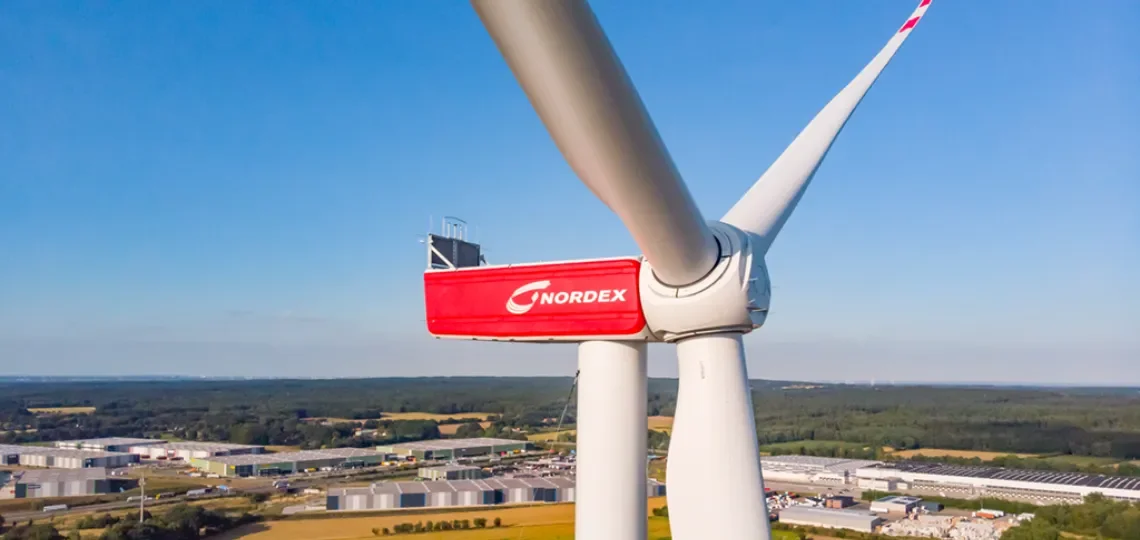
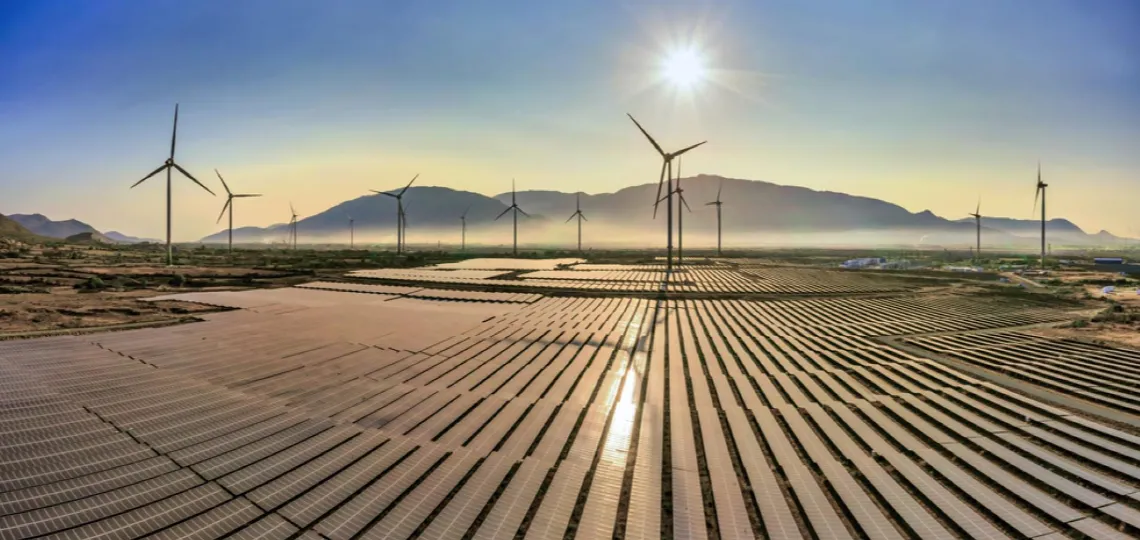
The revision of the National Power Development Plan (PDP VIII) marks a key stage in Vietnam’s energy transition. Renewable energy already accounted for 16% of total national electricity generation in the first quarter of 2025, complemented by 19.1% from hydropower. PDP VIII emphasises the expansion of solar, wind, and biomass energy, while integrating new technologies such as geothermal and waste-to-energy. The goal is to cap emissions from the electricity sector at 170 million tCO2e by 2030 while ensuring grid stability.

A consolidated regulatory base for the carbon market

Decree 119/2025/ND-CP and related institutional reforms establish the foundation for a national carbon market. A pilot programme for the allocation of emission quotas and carbon credits, focused on the electricity sector, has been launched to promote transparency and stimulate private investment. These initiatives aim to create a carbon price signal, mobilise international financing, and accelerate technological innovation within energy industries.

Financing remains the key challenge

According to the World Bank, Vietnam will need to mobilise approximately $368 billion by 2040 to meet its climate objectives, including $135 billion required to implement PDP VIII by 2030. As part of this effort, the country is actively participating in the Just Energy Transition Partnership (JETP), through which it has secured an initial $15.5 billion package. This initiative supports 44 projects currently under evaluation, representing a capital demand exceeding $10 billion.

Persistent implementation obstacles

Administrative delays and the complexity of international partnerships continue to slow JETP implementation. National research and development (R&D) capacities remain limited, particularly in carbon capture and storage (CCS), advanced renewable technologies, and industrial waste treatment. Moreover, many local companies lack the resources needed to comply with new monitoring and emission reduction standards.

An energy policy under growth pressure

Vietnam’s economy remains heavily dependent on fossil fuels and export-oriented manufacturing, creating tension between growth imperatives and transition objectives. However, the consistency of its regulatory framework and the increase in international financial partnerships confirm the country’s determination to anchor its energy policy in a sustainable and competitive long-term trajectory.


Facing a structural electricity surplus, the government commits to releasing a new Multiannual Energy Programme by Christmas, as aligning supply, demand and investments becomes a key industrial and budgetary issue.
A key scientific report by the United Nations Environment Programme failed to gain state approval due to deep divisions over fossil fuels and other sensitive issues.
RTE warns of France’s delay in electrifying energy uses, a key step to limiting fossil fuel imports and supporting its reindustrialisation strategy.
India’s central authority has cancelled 6.3 GW of grid connections for renewable projects since 2022, marking a tightening of regulations and a shift in responsibility back to developers.
The Brazilian government has been instructed to define within two months a plan for the gradual reduction of fossil fuels, supported by a national energy transition fund financed by oil revenues.
The German government may miss the January 2026 deadline to transpose the RED III directive, creating uncertainty over biofuel mandates and disrupting markets.
Italy allocated 82% of the proposed solar and wind capacities in the Fer-X auction, totalling 8.6GW, with competitive purchase prices and a strong concentration of projects in the southern part of the country.
Amid rising public spending, the French government has tasked two experts with reassessing the support scheme for renewable electricity and storage, with proposals expected within three months.
National operator PSE partners with armed forces to protect transformer stations as critical infrastructure faces sabotage linked to foreign interference.
The Norwegian government establishes a commission to anticipate the decline of hydrocarbons and assess economic options for the country in the coming decades.
Kazakhstan plans to allocate 3 GW of wind and solar projects by the end of 2026 through public tenders, with a first 1 GW tranche in 2025, amid efforts to modernise its power system.
Hurricanes Beryl, Helene and Milton accounted for 80% of electricity outages recorded in 2024, marking a ten-year high according to federal data.
The French Energy Regulatory Commission introduces a temporary prudential control on gas and electricity suppliers through a “guichet à blanc” opening in December, pending the transposition of European rules.
The Carney–Smith agreement launches a new pipeline to Asia, removes oil and gas emission caps, and initiates reform of the Pacific north coast tanker ban.
The gradual exit from CfD contracts is turning stable assets into infrastructures exposed to higher volatility, challenging expected returns and traditional financing models for the renewable sector.
The Canadian government introduces major legislative changes to the Energy Efficiency Act to support its national strategy and adapt to the realities of digital commerce.
Quebec becomes the only Canadian province where a carbon price still applies directly to fuels, as Ottawa eliminated the public-facing carbon tax in April 2025.
New Delhi launches a 72.8 bn INR incentive plan to build a 6,000-tonne domestic capacity for permanent magnets, amid rising Chinese export restrictions on critical components.
The rise of CfDs, PPAs and capacity mechanisms signals a structural shift: markets alone no longer cover 10–30-year financing needs, while spot prices have surged 400% in Europe since 2019.
Germany plans to finalise the €5.8bn ($6.34bn) purchase of a 25.1% stake in TenneT Germany to strengthen its control over critical national power grid infrastructure.

All the latest energy news, all the time

Annual subscription

8.25$/month*

*billed annually at 99$/year for the first year then 149,00$/year ​

Unlimited access - Archives included - Pro invoice

Monthly subscription

Unlimited access • Archives included

5.2$/month*
then 14.90$ per month thereafter

*Prices shown are exclusive of VAT, which may vary according to your location or professional status.

Since 2021: 30,000 articles - +150 analyses/week.